

Find your right Engine part
Over 120,000+ automotive and truck parts
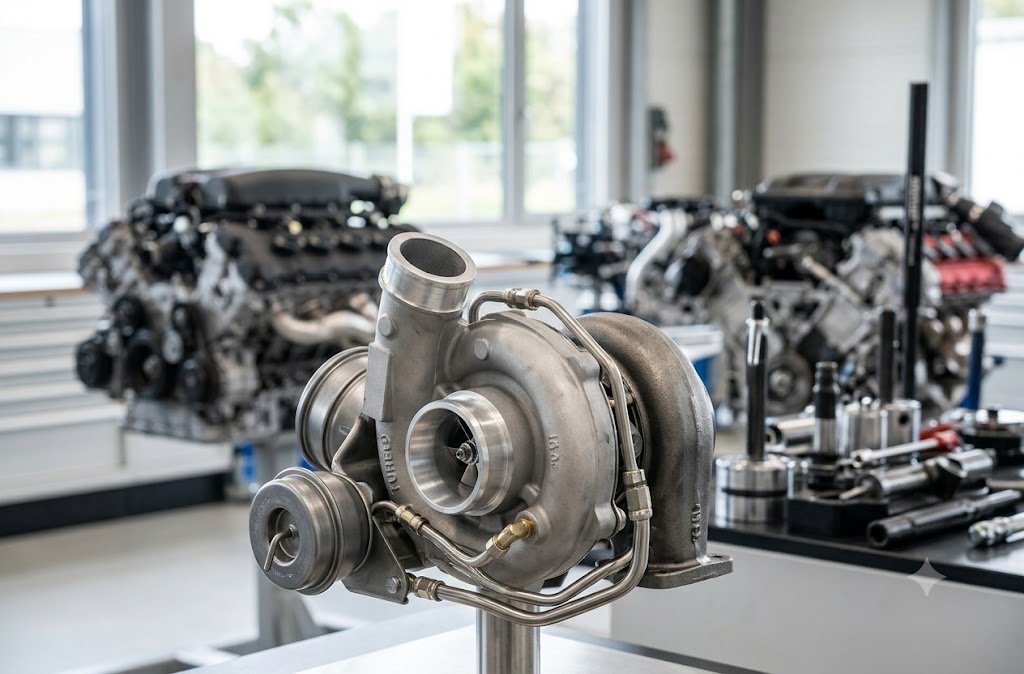
Used Turbocharger – Alpha Salvage – +1 (626) 693-3601 – Quality Used Engines
A used turbocharger can provide a practical replacement when the original turbo has developed damage, excessive wear, boost problems, or other mechanical issues. Alpha Salvage helps customers search for used turbochargers based on the vehicle, engine, turbocharger application, and available U.S. salvage-yard inventory.
Depending on current inventory, customers may find used OEM turbochargers, diesel turbochargers, gasoline turbochargers, single turbochargers, twin-turbo components, variable geometry turbochargers, and other vehicle-specific turbo systems.
Find the Right Used Turbocharger
First, identify your vehicle year, make, model, engine size, engine code, and VIN when available. Then, compare the turbocharger part number and application with your original unit. This approach can help you find a better match and reduce compatibility problems.
Compare Condition, Compatibility & Warranty
A used turbocharger requires careful comparison. Therefore, review the condition of the compressor wheel, turbine wheel, housing, shaft, actuator, oil passages, and mounting points. Also, check mileage, testing information, warranty coverage, shipping requirements, and return terms before ordering.
Main Turbocharger Components
A turbocharger uses exhaust energy to drive a compressor that sends pressurized air into the engine. As a result, the turbocharger can help an engine produce more power from a given displacement. :contentReference[oaicite:1]{index=1}
Turbine Wheel
The turbine wheel sits on the exhaust side of the turbocharger. Exhaust gases spin the turbine wheel and transfer rotational energy through the common shaft to the compressor wheel.
Compressor Wheel
The compressor wheel draws air into the turbocharger and compresses it before the air enters the engine. Consequently, the engine can receive a greater amount of air for combustion.
Center Housing
The center housing connects the turbine and compressor sections. It also supports the rotating assembly and contains the bearing system and oil passages.
Turbocharger Shaft
The shaft connects the turbine wheel to the compressor wheel. Therefore, turbine rotation directly drives the compressor wheel.
Turbocharger Housing
The turbocharger uses separate turbine and compressor housings to direct exhaust and intake airflow. Because the turbine side handles extremely hot exhaust gases, its housing requires suitable heat resistance.
Bearings & Oil Passages
Bearings support the rotating shaft while engine oil lubricates and helps cool the turbocharger. Therefore, clean oil flow plays an important role in turbocharger operation and durability. :contentReference[oaicite:2]{index=2}
Types of Used Turbochargers
Vehicle manufacturers use different turbocharger designs to meet specific engine requirements. Therefore, customers should match the replacement turbocharger to the exact engine and vehicle application.
Single Turbochargers
A single turbocharger uses one turbine and compressor assembly to provide forced induction. These systems appear on many gasoline and diesel engines.
Twin Turbochargers
Twin-turbo systems use two turbochargers. Depending on the engine design, the turbos can work together or operate at different engine speeds to improve response and airflow.
Twin-Scroll Turbochargers
A twin-scroll turbocharger separates exhaust pulses into different passages before they reach the turbine. As a result, the system can improve exhaust energy management and turbo response.
Variable Geometry Turbochargers
Variable geometry turbochargers adjust the turbine-side airflow path to control boost across different engine speeds. They appear frequently in modern diesel applications.
Diesel Turbochargers
Diesel engines commonly use turbochargers to increase the amount of air entering the combustion process. Therefore, used diesel turbochargers can appear across cars, trucks, SUVs, and commercial vehicles.
Gasoline Turbochargers
Modern gasoline engines also use turbochargers to increase power density and improve engine efficiency. However, gasoline turbochargers must match the exact engine application.
How Does a Turbocharger Work?
A turbocharger uses energy from engine exhaust gases to drive a turbine. The turbine then drives a compressor through a shared shaft, while the compressor forces more air toward the engine. :contentReference[oaicite:3]{index=3}
1. Exhaust Gas Spins the Turbine
First, exhaust gases leave the engine and enter the turbine housing. The exhaust flow then spins the turbine wheel.
2. The Shaft Transfers Rotation
Next, the turbine wheel transfers its rotation through the shaft. Consequently, the compressor wheel spins at the same time.
3. The Compressor Pressurizes Air
The compressor draws in outside air and compresses it. Then, the turbo system sends the pressurized air toward the engine intake.
4. The Intercooler Cools Air
Many turbocharged vehicles route compressed air through an intercooler. This process reduces charge-air temperature before the air reaches the engine.
5. The Engine Receives More Air
More air allows the engine management system to supply the appropriate amount of fuel for combustion. Therefore, the engine can produce more power from its available displacement.
6. Boost Control Regulates Pressure
Finally, a wastegate or variable geometry system controls exhaust flow and boost pressure. This helps the turbocharger operate within its intended range. :contentReference[oaicite:4]{index=4}
Common Used Turbocharger Problems
Turbochargers operate at high speed and temperature. Consequently, lubrication problems, contamination, excessive shaft movement, damaged wheels, or boost-control problems can affect performance.
Excessive Shaft Play
Excessive radial or axial shaft movement can indicate wear in the turbocharger's rotating assembly. Therefore, inspect the shaft according to the applicable service information before installation. :contentReference[oaicite:5]{index=5}
Damaged Compressor Wheel
Bent, broken, or heavily eroded compressor blades can affect turbocharger operation. In addition, foreign material entering through the intake can damage the wheel.
Damaged Turbine Wheel
The turbine wheel operates in the exhaust stream. Therefore, cracks, physical damage, or excessive wear can affect turbocharger performance.
Oil Supply Problems
Turbocharger bearings depend on proper oil flow for lubrication and cooling. Consequently, blocked, restricted, contaminated, or leaking oil lines can contribute to turbocharger failure. :contentReference[oaicite:6]{index=6}
Boost Control Problems
A faulty wastegate, actuator, or variable geometry mechanism can affect boost control. As a result, the engine may experience abnormal boost behavior.
Contamination
Dirt and foreign objects can damage compressor components. Therefore, inspect the intake system and correct the source of contamination before installing another turbocharger. :contentReference[oaicite:7]{index=7}
Popular Used Turbocharger Searches
Customers search for used turbochargers by vehicle make, engine, turbocharger type, part number, fuel type, and model year. Additionally, diesel and performance turbochargers remain common replacement searches.
How to Choose the Right Used Turbocharger
1. Check the VIN
Start with the vehicle VIN whenever possible. The VIN can help identify the correct engine and vehicle configuration.
2. Identify the Engine
Next, confirm the engine size, engine code, fuel type, and model year. These details help narrow the turbocharger application.
3. Match the Turbo Part Number
Compare the turbocharger part number with the original unit whenever possible. Additionally, check mounting points and connection locations.
4. Inspect the Wheels
Check the compressor and turbine wheels for visible damage, broken blades, heavy erosion, or contact marks. These checks can help identify unsuitable units. :contentReference[oaicite:8]{index=8}
5. Check the Shaft
Inspect the shaft for binding or excessive movement. However, always follow the vehicle manufacturer's inspection specifications because acceptable movement can vary by design.
6. Review Warranty & Returns
Finally, review the warranty, shipping, installation, and return terms. This step helps you understand your purchase before installation.
Used Turbocharger Installation & Maintenance
A replacement turbocharger should not operate with the same underlying problem that damaged the original unit. Therefore, inspect the related engine systems before installation.
Check the Oil Supply System
Inspect the turbocharger oil feed and return lines for leaks, restrictions, damage, or blockage. In addition, make sure the engine provides the correct oil supply to the turbocharger. :contentReference[oaicite:9]{index=9}
Inspect the Intake System
Check the air filter, intake pipes, intercooler, and related connections for contamination or damage. Consequently, you can reduce the risk of sending debris into the replacement turbocharger.
Check the Exhaust System
Inspect the exhaust connections and related components before installation. Furthermore, check the turbocharger mounting surfaces and exhaust passages for damage or restrictions.
Use the Correct Installation Procedure
Follow the manufacturer's service procedure for installation, lubrication, priming, and initial operation. Because turbochargers operate at very high speed, correct installation matters for reliable performance.
More Used Engine & Turbocharger Parts
Alpha Salvage helps customers search for more than used turbochargers. As a result, you can also look for other used engine and drivetrain components based on vehicle application and current salvage-yard inventory.
Popular Related Auto Parts
Visual Guide: Used Turbocharger Inspection
Used Turbocharger Warranty, Shipping & Returns
Warranty
Warranty coverage can vary by the individual salvage-yard supplier and turbocharger. Therefore, review the warranty terms for the specific used turbocharger before installation.
Shipping
Alpha Salvage ships automotive parts across the USA. However, shipping costs can vary according to the turbocharger, destination, package size, and shipping requirements.
Returns
If your part arrives damaged, document the condition with clear photographs and contact the supplier. Return requests should follow the applicable return policy and stated time limits.
Frequently Asked Questions About Used Turbochargers
Find answers to common questions about used turbochargers, turbocharger compatibility, inspection, diesel turbos, gasoline turbos, warranties, shipping, installation, and replacement parts.
Where can I buy a used turbocharger?
You can search for used turbochargers through automotive recyclers, salvage yards, used auto-parts suppliers, and online parts sellers. Additionally, Alpha Salvage helps customers search for replacement turbochargers based on vehicle and engine information.
What is a turbocharger?
A turbocharger uses exhaust energy to spin a turbine, which drives a compressor through a shared shaft. The compressor then pressurizes intake air before it enters the engine. :contentReference[oaicite:10]{index=10}
How does a turbocharger work?
First, exhaust gases spin the turbine wheel. Next, the turbine transfers rotation through the shaft to the compressor wheel. Finally, the compressor sends pressurized air toward the engine intake. :contentReference[oaicite:11]{index=11}
Can I buy a used turbocharger for my vehicle?
Yes, depending on current inventory. However, you should match the turbocharger to the exact vehicle, engine, model year, and turbocharger application before ordering.
Are used turbochargers worth buying?
A used turbocharger can provide a practical replacement option when you choose a compatible unit in suitable condition. Therefore, compare the part number, condition, inspection information, warranty, and return terms before purchasing.
How do I choose the right used turbocharger?
Start with the vehicle VIN, engine code, model year, fuel type, and original turbocharger information. Then, compare the turbocharger part number and physical configuration before ordering.
Can I find a used turbocharger by VIN?
Yes. A VIN can help identify the vehicle and engine configuration. Consequently, providing the VIN can make the turbocharger search more precise.
Can I find a used turbocharger by part number?
Yes. Searching by the original turbocharger part number can help narrow the available options. Nevertheless, confirm the part number and vehicle application before installation.
What should I inspect on a used turbocharger?
Inspect the compressor wheel, turbine wheel, housing, shaft, actuator, oil passages, and mounting points. In addition, look for broken blades, excessive shaft movement, contamination, cracks, and other visible damage. :contentReference[oaicite:12]{index=12}
Is some turbocharger shaft movement normal?
Some designs allow a small amount of shaft movement. However, excessive movement or binding can indicate a problem. Therefore, use the inspection specifications for the specific turbocharger and vehicle.
What causes turbocharger failure?
Several factors can contribute to turbocharger failure, including inadequate lubrication, contaminated oil, foreign-object damage, intake restrictions, oil-line problems, and installation issues. Therefore, identify the original failure cause before installing another turbocharger. :contentReference[oaicite:13]{index=13}
Why is turbocharger oil important?
Turbocharger bearings rely on engine oil for lubrication and cooling. Consequently, restricted or contaminated oil flow can damage the rotating assembly. :contentReference[oaicite:14]{index=14}
Should I replace turbocharger oil lines?
Inspect the oil feed and return lines for leaks, restrictions, damage, or blockage when replacing a turbocharger. If the lines show a problem, address the issue before operating the replacement unit. :contentReference[oaicite:15]{index=15}
What is a wastegate?
A wastegate controls exhaust flow around the turbine to regulate turbocharger boost. Therefore, a properly functioning wastegate helps control turbine speed and boost pressure. :contentReference[oaicite:16]{index=16}
What is a variable geometry turbocharger?
A variable geometry turbocharger changes the turbine-side airflow path to manage boost across different engine speeds. These systems commonly appear in modern diesel applications.
What is the difference between a diesel and gasoline turbocharger?
Both systems compress intake air, but their design and application can differ according to engine requirements, exhaust temperatures, boost strategy, and control systems. Therefore, always match the turbocharger to the specific engine.
Can I use a different turbocharger on my engine?
You should not assume that different turbochargers will interchange. Instead, verify the part number, engine application, mounting configuration, airflow requirements, boost-control system, and vehicle specifications.
What happens if a turbocharger has damaged compressor blades?
Damaged compressor blades can affect airflow and turbocharger operation. Therefore, a turbocharger with bent or broken compressor blades should not enter service until a qualified inspection determines its condition. :contentReference[oaicite:17]{index=17}
How much does a used turbocharger cost?
Used turbocharger prices vary according to the vehicle, engine, turbocharger type, mileage, condition, availability, warranty, and shipping. Therefore, compare the complete purchase terms rather than price alone.
Can Alpha Salvage ship used turbochargers across the USA?
Alpha Salvage ships automotive parts across the USA. However, shipping charges can vary according to the turbocharger, destination, package size, and shipping requirements.
What should I check before installing a used turbocharger?
Check the turbocharger condition, part number, shaft movement, compressor and turbine wheels, oil passages, actuator, mounting points, and warranty terms. Additionally, inspect the vehicle's intake, exhaust, and oil systems before installation.
Can a used turbocharger improve engine performance?
A correctly matched replacement turbocharger can restore the engine's intended boost and airflow when the original turbocharger has failed. However, a standard used replacement should match the vehicle's original specifications.
Do all turbochargers use a wastegate?
No. Conventional turbochargers often use wastegates, while many variable geometry systems control turbine airflow through adjustable vanes. Therefore, the boost-control design depends on the specific turbocharger.
How long does a used turbocharger last?
Service life varies according to the turbocharger's previous use, lubrication history, operating conditions, installation quality, and maintenance. Therefore, inspect the unit carefully and address the cause of the original turbocharger failure.
Are used OEM turbochargers available?
Depending on current inventory, used OEM turbochargers can be available from automotive salvage-yard sources. However, always confirm the original equipment part number and vehicle compatibility.
Can I find used turbochargers for trucks and SUVs?
Yes. Used turbochargers can come from cars, trucks, SUVs, and other turbocharged vehicles. Therefore, provide the exact vehicle and engine information when requesting a replacement.
Used Turbochargers — Search by Vehicle, Engine & Part Number
Search used turbochargers by vehicle make, model, model year, engine size, engine code, fuel type, turbocharger type, and part number. Popular searches include used turbochargers, used OEM turbochargers, used diesel turbochargers, used gasoline turbochargers, used VGT turbochargers, used twin-turbo systems, used turbocharger assemblies, and turbochargers for cars, trucks, and SUVs.
Always confirm the exact turbocharger application before ordering. Availability, mileage, condition, warranty, and pricing can vary according to current U.S. salvage-yard inventory. Therefore, provide the vehicle VIN, engine information, and original turbocharger part number whenever possible to improve compatibility.