
Find your right Engine part
Over 120,000+ automotive and truck parts
Used Engine Wiring Harness – Alpha Salvage – +1 (626) 693-3601 – Quality Used Engines
A used engine wiring harness can provide a practical replacement when the original harness has damaged wires, broken connectors, heat damage, corrosion, or electrical faults. Alpha Salvage helps customers search for used engine wiring harnesses based on the vehicle's exact specifications and current U.S. salvage-yard inventory.
An engine wiring harness connects important electrical components throughout the engine compartment. For example, the harness can connect the engine control module with fuel injectors, ignition components, sensors, actuators, and other engine-related electrical systems. Therefore, the correct harness must match the vehicle's engine and electrical configuration.
Find the Right Used Engine Wiring Harness
First, identify your vehicle's year, make, model, engine size, transmission, drivetrain, and VIN. Additionally, check the OEM part number on the original harness whenever possible. These details can help narrow the search and reduce the risk of ordering an incompatible wiring harness.
Check Connectors, Wires & Part Numbers
Before purchasing a used engine wiring harness, inspect the connectors, terminals, insulation, protective loom, and identification labels. Moreover, check for corrosion, broken locking tabs, melted sections, cut wires, and previous repairs. A clean OEM harness with intact connectors can provide a better starting point for a replacement. :contentReference[oaicite:0]{index=0}
What Is an Engine Wiring Harness?
An engine wiring harness is a group of wires, connectors, terminals, protective coverings, and related electrical connections that route electrical signals and power throughout the engine system.
Connects Engine Sensors
The harness carries electrical connections between the engine control system and various sensors. Consequently, damaged wiring can interfere with important engine signals.
Connects Fuel System Components
Engine harnesses can connect fuel injectors and other fuel-system components to the vehicle's electrical control system. Therefore, connector condition matters when selecting a replacement harness.
Connects Ignition Components
On gasoline engines, the harness can connect ignition coils and related components. As a result, damaged wires or connectors can contribute to ignition-related electrical problems.
Connects Engine Control Systems
The engine harness routes connections between the engine and electronic control systems. Moreover, the harness must use the correct connectors and wiring paths for the vehicle.
Protects Electrical Connections
Protective conduit and insulation help shield wires from heat, abrasion, moisture, and movement. Therefore, inspect the protective covering carefully before purchasing a used harness.
Supports Reliable Communication
Proper electrical continuity allows sensors and engine components to communicate with the vehicle's control systems. Consequently, a damaged harness can create difficult electrical problems.
Types of Used Engine Wiring Harnesses
Vehicle manufacturers use different wiring harness designs for different engines, drivetrains, and electrical systems. Therefore, the correct replacement depends on the vehicle's exact configuration.
Gasoline Engine Wiring Harness
Gasoline engine harnesses can connect ignition coils, fuel injectors, sensors, throttle systems, and other engine components. However, connector layouts vary between engines and model years.
Diesel Engine Wiring Harness
Diesel engines use specialized electrical connections for injectors, sensors, emissions systems, glow plugs, and other components. Consequently, diesel harness compatibility requires careful verification.
Turbocharged Engine Harness
Turbocharged engines can use additional sensors and electronically controlled components. Therefore, the harness must match the engine's specific configuration and equipment.
Hybrid Engine Wiring
Hybrid vehicles use complex electrical systems and multiple harness assemblies. For this reason, buyers should verify the exact vehicle configuration and part number before ordering.
Engine Sensor Harness
Some vehicles use separate harness sections for particular sensors or engine components. Additionally, these smaller harness assemblies may have unique connectors and routing.
Engine Sub-Harness
A sub-harness can serve a specific portion of the engine electrical system. Therefore, confirm whether your vehicle requires a complete engine harness or a specific sub-harness.
Why Choose a Used Engine Wiring Harness?
Cost-Effective Replacement
A used OEM harness can provide an alternative to purchasing a new replacement. Therefore, it may help reduce repair costs when a compatible recycled part is available.
OEM Fitment
A genuine OEM harness came from a vehicle designed with the corresponding electrical architecture. Consequently, a correctly matched OEM harness can offer the appropriate connectors and routing.
Useful for Older Vehicles
Some older vehicle harnesses can become difficult to source new. In such cases, used auto-parts inventory can provide additional sourcing options.
Factory Connector Layout
A compatible OEM harness already follows the manufacturer's connector layout and wire routing. Therefore, it can be more suitable than an incorrectly configured universal replacement.
Recycled Auto Part
Reusing an existing automotive component keeps usable parts in circulation. Furthermore, automotive recycling can reduce unnecessary waste from vehicles.
More Sourcing Options
Salvage-yard networks can provide access to parts from many donor vehicles. As a result, customers may find replacement harnesses for older or less common applications.
How to Inspect a Used Engine Wiring Harness
Because wiring harnesses carry important electrical connections, inspection plays an important role when selecting a used part. Therefore, review the harness carefully before installation.
1. Check the OEM Part Number
Start by locating the identification tag or part number. Then, compare the number with your original harness or confirm compatibility using the vehicle VIN.
2. Inspect Every Connector
Check connectors for cracks, broken locking tabs, bent pins, missing terminals, and other damage. Additionally, inspect the connector interiors for signs of corrosion.
3. Examine the Wiring
Look along the entire harness for cuts, exposed copper, frayed insulation, abrasion, or other physical damage. Therefore, do not focus only on the connectors.
4. Look for Heat Damage
Engine compartments expose wiring to significant heat. Consequently, inspect areas near exhaust components for melted, hardened, cracked, or discolored insulation. :contentReference[oaicite:1]{index=1}
5. Check for Corrosion
Inspect terminals and connector pins for moisture damage or corrosion. Moreover, green or white residue can indicate previous moisture intrusion. :contentReference[oaicite:2]{index=2}
6. Check Previous Repairs
Look for electrical tape, unsealed splices, mismatched connectors, or other signs of previous repairs. Therefore, ask about the harness condition before ordering.
How to Choose the Right Engine Wiring Harness
Match the Vehicle Year
First, confirm the exact model year. However, the same vehicle name can use different harnesses across different production years.
Match the Engine
Confirm the engine displacement, fuel type, engine family, and configuration. Additionally, turbocharged and naturally aspirated versions can require different wiring.
Match the Transmission
Some harnesses connect with transmission-related systems. Therefore, verify the transmission configuration when checking compatibility.
Compare the Part Number
The OEM part number provides an important compatibility reference. Consequently, compare the original and replacement numbers whenever possible.
Use the VIN
The VIN can help identify the vehicle's original engine and equipment configuration. Therefore, provide the VIN when requesting a replacement harness.
Check Vehicle Options
Certain vehicle features can affect wiring requirements. For example, engine configuration, emissions equipment, drivetrain, and electronic systems can change harness specifications.
Used Engine Wiring Harnesses by Vehicle Type
Alpha Salvage can help customers search for used engine wiring harnesses across many vehicle makes and models. Furthermore, availability depends on current salvage-yard inventory.
Common Reasons to Replace an Engine Wiring Harness
Damaged Wires
Cuts, abrasion, exposed copper, or broken wires can affect electrical continuity. Therefore, a damaged harness may require repair or replacement.
Broken Connectors
Broken locking tabs or damaged connector housings can prevent secure connections. As a result, the electrical connection may become unreliable.
Heat Damage
Excessive engine-bay heat can damage insulation and protective conduit. Consequently, heat-damaged wiring may become brittle or crack.
Corrosion
Moisture can cause corrosion around terminals and connectors. Moreover, corrosion can increase electrical resistance and create intermittent connection problems.
Rodent Damage
Rodents can chew through wiring insulation and individual wires. Therefore, inspect the entire harness carefully when the donor vehicle has possible rodent exposure.
Previous Electrical Repairs
Poorly repaired wiring can create future electrical problems. Consequently, inspect for unsealed splices, mismatched wires, and excessive electrical tape.
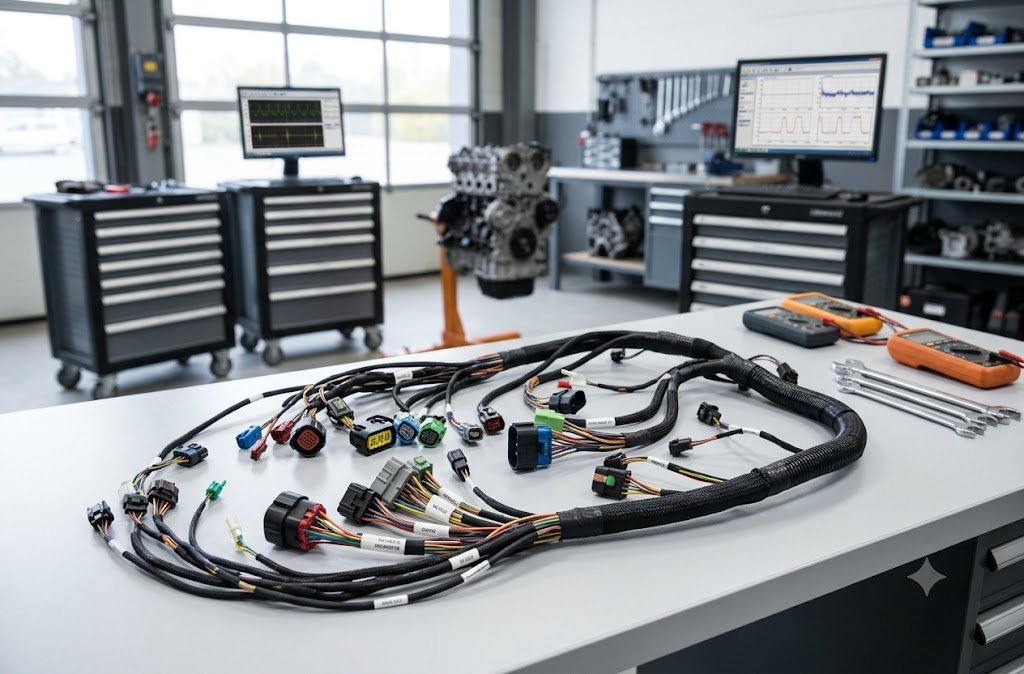
Visual Guide: Used Engine Wiring Harness Inspection

Used Engine Wiring Harness Installation
Replacing an engine wiring harness requires careful routing and connector identification. In addition, the harness often runs around multiple engine components, so correct routing matters during installation.
Document the Original Harness
Before removal, photograph connector locations and routing paths. Therefore, you can use the original installation as a reference during replacement.
Disconnect the Battery
Follow the vehicle manufacturer's electrical safety procedure before disconnecting engine wiring. Additionally, allow the vehicle systems to shut down as required.
Label Connections
Labeling connectors can make the replacement process easier. Consequently, technicians can reduce confusion when multiple connectors look similar.
Follow Original Routing
Route the replacement harness through the factory paths. Moreover, keep wires away from moving components and excessive heat sources.
Secure the Harness
Reinstall the original clips, brackets, and protective coverings where applicable. Therefore, the harness can remain in its intended position during vehicle operation.
Test the Vehicle
After installation, check the electrical connections and vehicle systems according to the manufacturer's procedure. Finally, scan for relevant fault codes when appropriate.
More Used Engine Electrical Parts
Alpha Salvage also helps customers search for other used engine electrical components. As a result, you can look beyond the engine wiring harness when completing an electrical repair.
Used Engine Wiring Harness Warranty, Shipping & Returns
Warranty
Warranty availability and terms can vary by the individual salvage-yard supplier. Therefore, review the warranty information for the specific engine wiring harness before installation.
Shipping
Alpha Salvage ships automotive parts across the USA. However, shipping costs and delivery requirements can vary based on the part, destination, weight, and shipping method.
Returns
If the part arrives damaged or does not match the confirmed order, contact Alpha Salvage promptly with clear photographs and details. Additionally, review the applicable return requirements before installation.
Frequently Asked Questions About Used Engine Wiring Harnesses
Find answers to common questions about used engine wiring harnesses, compatibility, OEM part numbers, connectors, installation, inspection, warranty, shipping, and replacement options.
What is an engine wiring harness?
An engine wiring harness contains wires, connectors, terminals, and protective coverings that connect electrical components throughout the engine system. Therefore, it plays an important role in communication between engine components and electronic control systems.
Where can I buy a used engine wiring harness?
You can search for used engine wiring harnesses through automotive recyclers, salvage yards, used auto-parts suppliers, and online parts marketplaces. Additionally, Alpha Salvage helps customers search current U.S. salvage-yard inventory.
Are used engine wiring harnesses worth buying?
A used engine wiring harness can provide a practical replacement when the part matches the vehicle and remains in good condition. However, always verify the OEM part number, connectors, wiring condition, and vehicle compatibility before purchasing.
How do I choose the right engine wiring harness?
Start with the vehicle year, make, model, engine, transmission, drivetrain, and VIN. Then, compare the OEM part number and connector configuration. Finally, confirm compatibility with the supplier before ordering.
Can I find an engine wiring harness by VIN?
Yes. A VIN can help identify the vehicle's original engine and equipment configuration. Therefore, providing the VIN can make the search more precise.
Should I match the OEM part number?
Yes. The OEM part number provides an important reference when identifying a compatible harness. Moreover, matching the number can help reduce the risk of ordering a harness with different connectors or wiring configuration. :contentReference[oaicite:3]{index=3}
What should I inspect on a used wiring harness?
Inspect the wires, insulation, connectors, terminals, protective loom, mounting clips, and identification labels. Additionally, look for corrosion, cuts, melted sections, broken tabs, and previous repairs.
Can heat damage an engine wiring harness?
Yes. Engine compartments expose wiring to high temperatures, especially around exhaust components. Consequently, prolonged heat exposure can make insulation brittle, cracked, or damaged. :contentReference[oaicite:4]{index=4}
Can corrosion damage an engine wiring harness?
Yes. Moisture can cause corrosion inside electrical connectors and around terminals. Therefore, inspect connector pins carefully for green or white corrosion before purchasing a used harness. :contentReference[oaicite:5]{index=5}
Can a used engine wiring harness have repaired wires?
Yes, a used harness may show evidence of previous repairs. However, inspect splices, electrical tape, connectors, and insulation carefully because poor repairs can create future electrical problems.
Do all engine wiring harnesses fit the same vehicle model?
No. A single vehicle model can use different harnesses depending on engine, transmission, drivetrain, trim, emissions equipment, and other options. Therefore, match the exact vehicle configuration before ordering. :contentReference[oaicite:6]{index=6}
Can I use a wiring harness from a different engine?
Not necessarily. Different engines can use different connectors, wire lengths, sensors, and electrical systems. Consequently, confirm compatibility before using a harness from another engine.
What causes an engine wiring harness to fail?
Common causes include heat exposure, abrasion, moisture, corrosion, rodent damage, broken connectors, and previous electrical repairs. Therefore, inspect the complete harness instead of checking only one damaged area.
Can rodents damage engine wiring harnesses?
Yes. Rodents can chew through insulation and individual wires. As a result, a harness from a donor vehicle with rodent exposure requires careful inspection.
Is replacing an engine wiring harness difficult?
Engine wiring harness replacement can require significant labor because technicians must disconnect and route many electrical connections. Therefore, professional installation can be a practical choice for complex vehicles.
What information should I provide when ordering a used engine wiring harness?
Provide the vehicle year, make, model, engine size, transmission, drivetrain, VIN, and OEM part number when available. Additionally, photographs of the original harness and connectors can help with identification.
Do diesel and gasoline engines use the same wiring harness?
No. Diesel and gasoline engines can use different sensors, injectors, control systems, and electrical connections. Therefore, always specify the correct fuel type when searching for a replacement.
What is an OEM engine wiring harness?
An OEM engine wiring harness comes from the vehicle manufacturer or from a vehicle originally equipped with the manufacturer's wiring system. Consequently, a compatible used OEM harness can provide the factory connector and routing configuration.
Can I buy a used engine wiring harness for an older vehicle?
Yes, depending on salvage-yard inventory. In fact, used parts can provide additional sourcing options when a new harness has limited availability. However, verify the exact part number and vehicle configuration.
How much does a used engine wiring harness cost?
The price varies according to the vehicle, engine, harness complexity, availability, condition, and supplier. Therefore, request a quote for the exact harness rather than relying on a general price range.
Does Alpha Salvage ship engine wiring harnesses across the USA?
Alpha Salvage ships automotive parts across the USA. However, shipping charges and delivery requirements can vary depending on the part and destination.
What should I check before installing a used engine wiring harness?
Confirm the part number, connector condition, wire integrity, routing, mounting points, and vehicle compatibility. Additionally, inspect the harness for heat damage, corrosion, cuts, and previous repairs before installation.
Can a damaged engine wiring harness cause electrical problems?
Yes. Damaged wires or connectors can interfere with electrical signals between engine components and control systems. Consequently, wiring faults can contribute to various engine and electrical symptoms.
Are used engine wiring harnesses tested?
Testing procedures vary by supplier and part. Therefore, ask about inspection or testing information for the specific harness before purchasing.
Can I return a used engine wiring harness?
Return policies depend on the supplier and the specific part. Therefore, review the applicable return conditions before installation and keep the original part and documentation when required.
Used Engine Wiring Harnesses — Search by Vehicle & Part Number
Search used engine wiring harnesses by vehicle make, model, year, engine, transmission, drivetrain, VIN, and OEM part number. Popular searches include used OEM engine wiring harnesses, used engine wire harnesses, used engine electrical harnesses, used automotive wiring harnesses, used engine harnesses, diesel engine wiring harnesses, gasoline engine wiring harnesses, and replacement engine wiring harnesses.
Additionally, check the harness connectors, terminals, insulation, protective loom, part number, and overall condition before ordering. Furthermore, verify compatibility with the exact vehicle configuration because similar models can use different wiring harnesses. Finally, review availability, warranty, shipping, and return terms for the specific used engine wiring harness.
Alpha Salvage helps customers search for recycled automotive parts through current U.S. salvage-yard inventory. Therefore, provide the vehicle year, make, model, VIN, engine information, and OEM part number whenever possible to improve the search for a compatible used engine wiring harness.