

Find your right Engine parts
Over 120,000+ automotive and truck parts
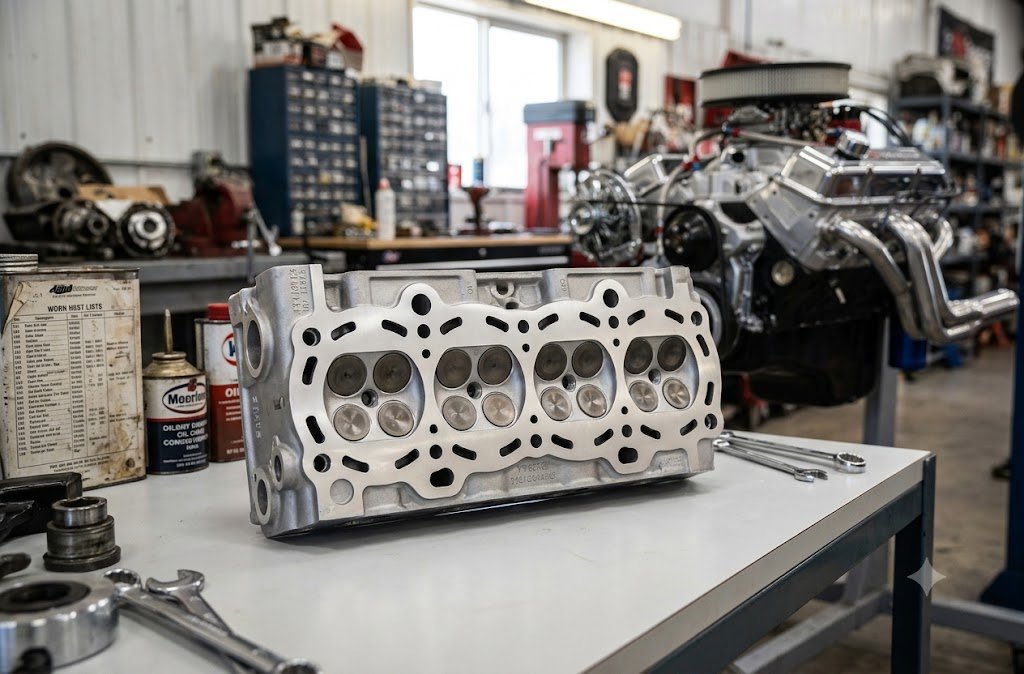
Used Cylinder Heads for Sale
A used cylinder head can provide a practical replacement when the original cylinder head develops cracks, warping, valve damage, or other serious problems. Alpha Salvage helps customers search for used cylinder heads based on the exact vehicle, engine, year, and configuration.
A cylinder head sits above the engine block and forms the upper part of the combustion chamber. In addition, it contains important components and passages that manage airflow, combustion, lubrication, and engine cooling. Therefore, the correct cylinder head must match the engine application before installation.
Find the Right Used Cylinder Head
First, identify your vehicle's year, make, model, engine size, engine code, and VIN when available. Then, compare the cylinder head casting number and configuration with your original part. This approach can reduce compatibility problems and help you find the correct replacement.
Compare Condition, Configuration & Compatibility
Mileage can help you compare used cylinder heads. However, condition matters just as much. Therefore, review the casting condition, flatness, cracks, valve area, camshaft journals, included components, warranty, shipping, and return requirements before you order.
What Is a Cylinder Head?
The cylinder head is a major engine component that sits on top of the engine block. It closes the combustion chambers and works with the head gasket to maintain the required seal between the head and block.
Combustion Chamber
The cylinder head forms the upper section of the combustion chamber. As a result, it plays an important role in maintaining compression and supporting proper combustion.
Intake & Exhaust Flow
The head contains intake and exhaust passages that allow air and exhaust gases to move through the engine. Therefore, damage to these areas can affect engine performance.
Valvetrain Components
Depending on the engine design, the cylinder head can house valves, camshafts, valve springs, rocker components, spark plugs, and other valvetrain parts.
Common Cylinder Head Problems
Cylinder head problems can develop for several reasons. In many cases, severe overheating can cause warping or cracking. However, valve damage, poor sealing, corrosion, and other engine problems can also affect the head.
Cracked Cylinder Head
A crack can allow coolant, oil, or combustion gases to move between areas that should remain sealed. Consequently, the engine may develop overheating, coolant loss, misfires, or other serious symptoms.
Warped Cylinder Head
Excessive heat can distort the head's mating surface. Therefore, the head may no longer create the proper seal with the head gasket and engine block.
Valve Damage
Damaged or worn valves can affect compression and airflow. As a result, the engine may develop misfires, rough running, power loss, or starting problems.
Coolant Passage Damage
The cylinder head contains coolant passages that help control engine temperature. If these passages develop leaks or cracks, the engine can lose coolant or overheat.
Oil Passage Problems
The head also manages engine oil flow to various components. Therefore, damage in an oil passage can affect lubrication and contribute to additional engine problems.
Head Gasket Sealing Issues
A damaged or warped head can prevent the head gasket from sealing correctly. Consequently, coolant, oil, and combustion gases may cross into areas where they should not.
Signs You May Need a Replacement Cylinder Head
Several engine symptoms can point toward a cylinder head problem. However, these symptoms can also come from a damaged head gasket or another engine component. Therefore, professional diagnosis remains important before purchasing a replacement.
Engine Overheating
Repeated overheating can indicate a cooling-system problem, head-gasket failure, or cylinder head damage. If overheating continues, the engine can suffer additional damage.
White Exhaust Smoke
Persistent white smoke can indicate coolant entering the combustion process. Therefore, a technician should inspect the engine before you replace the cylinder head.
Coolant Loss
Unexplained coolant loss can point to an internal leak. In addition, damaged cylinder head or head-gasket areas can allow coolant to enter the combustion chamber.
Engine Misfire
A damaged valve, poor compression, or a cylinder sealing problem can cause misfires. Consequently, the vehicle may run roughly or lose power.
Milky Engine Oil
Oil that appears milky or unusually contaminated can indicate coolant mixing with the oil. However, a technician should diagnose the source before replacing parts.
Loss of Engine Power
Cylinder sealing or valve problems can reduce engine compression and airflow. As a result, the engine may produce less power and respond poorly under load.
Types of Used Cylinder Heads
Used cylinder heads can differ in design, configuration, engine application, and included components. Therefore, understanding the type of head you need can make the search easier.
Used OEM Cylinder Heads
Used OEM cylinder heads come from original manufacturer applications. When the part matches your engine correctly, an OEM head can provide the original casting and factory-specific design.
Bare Cylinder Heads
A bare cylinder head typically focuses on the casting rather than a fully assembled valvetrain. Therefore, confirm exactly which components the seller includes before ordering.
Complete Cylinder Heads
A complete cylinder head can include valves, springs, retainers, camshaft components, or other parts depending on the specific listing. Consequently, always confirm the included components.
Aluminum Cylinder Heads
Many modern engines use aluminum cylinder heads because of their weight and heat-management characteristics. However, aluminum heads require careful inspection for warping and cracks after overheating.
Cast Iron Cylinder Heads
Some engines use cast iron cylinder heads. These heads have different material characteristics and may require different inspection and machining procedures.
Diesel Cylinder Heads
Diesel cylinder heads have application-specific combustion and fuel-system requirements. Therefore, verify the diesel engine code, casting number, and vehicle application before purchasing.
How to Inspect a Used Cylinder Head
A used cylinder head requires careful inspection before installation. In particular, technicians should check the mating surface, casting, valve areas, and other critical components.
1. Check the Mating Surface
Inspect the surface that mates with the engine block. Then, use the manufacturer's specifications and appropriate measuring tools to check for excessive warpage.
2. Look for Cracks
Examine the casting carefully, especially around high-stress areas. In addition, a machine shop can use pressure testing or other suitable methods to identify hidden cracks.
3. Inspect Valve Areas
Check the valves, valve seats, springs, and surrounding areas when the cylinder head includes these components. Any damage can affect engine compression and performance.
4. Check Camshaft Journals
If the head uses overhead camshafts, inspect the camshaft journals for scoring or unusual wear. This step can reveal previous lubrication or engine problems.
5. Check Coolant Passages
Inspect the coolant passages for corrosion, damage, or contamination. Furthermore, pressure testing can help identify internal leaks that visual inspection may miss.
6. Compare the Original Head
Before installation, compare the replacement head with the original part. Check the casting number, mounting points, passages, sensors, and component layout to confirm compatibility.
Used Cylinder Head Compatibility
Cylinder heads can look similar while using different internal and external configurations. Therefore, never choose a replacement based only on engine size.
Match the Vehicle Year
Start with the exact model year. Manufacturers can change cylinder head designs between generations, even when the vehicle name remains the same.
Match the Engine Size
Confirm the displacement and engine configuration. For example, two engines with similar displacement can use different cylinder heads.
Check the Engine Code
The engine code provides a more precise way to identify the correct application. Therefore, include it whenever you search for a used cylinder head.
Check the Casting Number
Compare the casting number on the replacement head with your original unit. This check can help distinguish between similar-looking applications.
Verify Fuel Type
Gasoline and diesel engines use different cylinder head designs. Consequently, confirm the fuel type before ordering.
Use the VIN
When available, the VIN can help narrow the vehicle configuration. Therefore, providing the VIN gives the parts search a stronger starting point.
Popular Used Cylinder Head Searches
Customers search for used cylinder heads by vehicle brand, engine family, displacement, fuel type, and model year. Additionally, many buyers search for OEM cylinder heads and specific engine applications.
Used Cylinder Head Search Terms
Why Buy a Used Cylinder Head?
Lower Replacement Cost
A good used cylinder head can offer a more affordable alternative to some new replacement options. Therefore, it can make sense for customers managing repair costs.
Original OEM Casting
A used OEM cylinder head comes from an original manufacturer application. As a result, it can provide the original casting design when the part matches the vehicle correctly.
Wide Vehicle Coverage
Salvage inventories can include cylinder heads from many makes, models, engine families, and model years. Consequently, customers can search across a broad range of applications.
Recycled Automotive Parts
Reusing automotive components keeps usable parts in circulation. At the same time, it gives customers another option when replacing damaged engine components.
Multiple Configurations
Depending on inventory, buyers can find bare and complete cylinder head configurations. Therefore, customers can search for the setup that fits their repair requirements.
Availability Can Vary
Salvage inventory changes as vehicles enter and leave dismantling facilities. Consequently, providing detailed vehicle information can help locate a compatible part more efficiently.
Used Cylinder Heads by Vehicle Type
Used Car Cylinder Heads
Passenger cars use many different cylinder head designs. Therefore, match the replacement to the exact engine code, model year, and vehicle configuration.
Used SUV Cylinder Heads
SUVs can use gasoline, diesel, turbocharged, and performance-oriented engines. As a result, cylinder head compatibility can vary significantly between models.
Used Truck Cylinder Heads
Trucks use a wide range of gasoline and diesel engines. Consequently, engine code and casting number checks remain especially important.
Used Diesel Cylinder Heads
Diesel cylinder heads have application-specific combustion and fuel-system requirements. Therefore, confirm the exact diesel engine before purchasing.
Used Performance Cylinder Heads
Performance engines can use specialized cylinder head designs and components. Therefore, verify the exact engine configuration before ordering a performance replacement.
Used Commercial Vehicle Cylinder Heads
Commercial vehicles can use heavy-duty gasoline or diesel engines. Consequently, buyers should provide complete engine identification information when searching for a replacement head.
Used Cylinder Head vs. Complete Used Engine
Used Cylinder Head
A used cylinder head can make sense when the engine block and internal components remain serviceable while the original head needs replacement. In that situation, replacing only the damaged head can address the specific problem.
- Useful when the cylinder head has failed
- Can preserve a serviceable engine block
- Available in different configurations
- Requires careful compatibility checking
- Professional inspection can help before installation
Complete Used Engine
A complete used engine may make more sense when the original engine has extensive internal damage. Therefore, compare the overall repair requirements before deciding between a cylinder head and a complete engine.
- Useful for major engine damage
- Can replace multiple failed components
- May reduce extensive internal rebuilding
- Requires complete engine compatibility
- Warranty and mileage should be reviewed
More Used Engine Parts from Alpha Salvage
Alpha Salvage helps customers search for more than cylinder heads. As a result, you can also look for other used engine components and recycled automotive parts based on your vehicle requirements.
Popular Used Engine Parts
Visual Guide: Used Cylinder Head Inspection

Used Cylinder Head Warranty, Shipping & Returns
Warranty
Warranty coverage depends on the specific supplier and cylinder head. Therefore, review the warranty terms for the exact part before installation. Also, check whether the warranty covers the casting, valves, accessories, or other components.
Shipping
Alpha Salvage ships automotive parts across the USA. However, shipping costs can vary according to the cylinder head, destination, package size, weight, and shipping requirements.
Returns
If a part arrives damaged or does not match the order, contact Alpha Salvage with the relevant order information and clear photographs. Then, follow the applicable return instructions and warranty terms for the specific part.
Frequently Asked Questions About Used Cylinder Heads
Find answers to common questions about used cylinder heads, OEM cylinder heads, compatibility, inspection, cracks, warping, mileage, warranty, shipping, and replacement options.
What is a cylinder head?
A cylinder head sits on top of the engine block and forms the upper section of the combustion chamber. In addition, it contains important passages and components that support engine airflow, cooling, lubrication, and combustion.
Where can I buy a used cylinder head?
You can search for used cylinder heads through auto recyclers, salvage yards, used auto-parts suppliers, and online automotive parts dealers. Alpha Salvage helps customers search for used parts based on vehicle and engine information.
Are used cylinder heads worth buying?
A good used cylinder head can provide a practical replacement when the part matches the engine correctly and passes appropriate inspection. Therefore, compare condition, compatibility, mileage, included components, warranty, and price before buying.
What causes cylinder head failure?
Severe overheating can cause cylinder head warping or cracking. However, valve problems, corrosion, poor sealing, and other engine issues can also contribute to cylinder head failure.
What are the symptoms of a bad cylinder head?
Common symptoms can include engine overheating, coolant loss, white exhaust smoke, misfires, loss of power, and oil or coolant contamination. However, these symptoms can also indicate head-gasket or other engine problems, so proper diagnosis matters.
Can a cracked cylinder head be repaired?
Some cylinder heads may qualify for repair depending on the location and severity of the damage, material, and manufacturer's specifications. However, a replacement used cylinder head can provide another option when repair does not make economic or technical sense.
How do I check a used cylinder head for cracks?
Start with a careful visual inspection. Then, consider professional pressure testing or other machine-shop testing to identify cracks that may not appear during a basic visual inspection.
How do I check a used cylinder head for warping?
A technician can check the mating surface with appropriate precision tools and compare the measurement with the manufacturer's specifications. If the surface exceeds the permitted limit, the head may require machining or replacement.
Can overheating damage a cylinder head?
Yes. Excessive heat can distort or crack a cylinder head. Therefore, you should address repeated overheating before installing a replacement head.
What is a used OEM cylinder head?
A used OEM cylinder head comes from an original manufacturer application. Therefore, it can provide the original casting design when the replacement matches the exact engine and vehicle configuration.
What is a bare cylinder head?
A bare cylinder head generally refers to the head casting without all of the components found in a complete assembly. Consequently, always confirm which valves, springs, camshafts, and other components come with the part.
What is a complete cylinder head?
A complete cylinder head includes additional components installed in the head, although the exact contents can vary. Therefore, confirm the listing details before ordering.
Can I use a cylinder head from another engine?
Sometimes, but compatibility depends on the engine design and manufacturer specifications. Therefore, verify the engine code, casting number, mounting points, passages, valvetrain configuration, and other required specifications.
Does engine size determine cylinder head compatibility?
Engine size alone does not guarantee compatibility. For example, two engines with the same displacement can use different cylinder heads. Therefore, check the engine code and casting number as well.
Can I find a used cylinder head by VIN?
Yes. VIN information can help identify the vehicle configuration and narrow the search. Therefore, provide the VIN whenever it is available.
Should I check the casting number before buying?
Yes. The casting number can help identify the specific cylinder head design. However, use it together with the vehicle year, engine code, and other compatibility information.
Do used cylinder heads come with valves?
It depends on the specific cylinder head listing. Some heads come as bare castings, while others include valves and additional valvetrain components. Therefore, confirm the included parts before ordering.
How much does a used cylinder head cost?
Prices vary according to the vehicle, engine, cylinder head configuration, mileage, condition, availability, included components, warranty, and shipping. Therefore, the exact part specification determines the final price.
Can Alpha Salvage ship used cylinder heads across the USA?
Alpha Salvage ships automotive parts across the USA. However, shipping charges can vary according to the part, destination, weight, and shipping requirements.
What should I provide when searching for a used cylinder head?
Provide the vehicle year, make, model, engine size, engine code, VIN, fuel type, and casting number when available. In addition, photographs of the original cylinder head can help with identification.
Should a used cylinder head undergo machine-shop inspection?
Professional inspection can provide additional confidence before installation. In particular, a machine shop can check flatness and identify certain cracks or other problems that a basic visual inspection may miss.
Can I replace only the cylinder head instead of the whole engine?
You may replace only the cylinder head when the rest of the engine remains suitable for continued use. Therefore, a technician should diagnose the engine and determine whether the block, pistons, crankshaft, and other components remain serviceable.
What should I check before installing a used cylinder head?
Check compatibility, casting number, cracks, flatness, valve condition, included components, gasket requirements, torque specifications, warranty, and return terms. Additionally, address the original cause of the cylinder head failure before installation.
Are used diesel cylinder heads available?
Yes, depending on current salvage-yard inventory. However, diesel cylinder heads use engine-specific designs, so you should verify the exact diesel engine code and application before ordering.
Are used aluminum cylinder heads reliable?
A properly inspected aluminum cylinder head can provide a practical replacement when it meets the manufacturer's specifications. However, overheating can cause aluminum heads to warp or crack, so inspection remains important.
What happens if I install the wrong cylinder head?
An incompatible cylinder head can create fitment, sealing, valvetrain, airflow, cooling, or engine-management problems. Therefore, verify the part before installation rather than relying only on appearance.
Does Alpha Salvage sell other used engine parts?
Yes. Alpha Salvage can help customers search for various used automotive components, including engine blocks, cylinder heads, transmissions, and other recycled auto parts, depending on current inventory.
Used Cylinder Heads — Search by Vehicle & Engine
Search used cylinder heads by vehicle make, model, year, engine size, engine code, fuel type, and casting number. Popular searches include used OEM cylinder heads, used engine cylinder heads, used diesel cylinder heads, used gasoline cylinder heads, used aluminum cylinder heads, used cast iron cylinder heads, bare cylinder heads, complete cylinder heads, and replacement cylinder heads.
Always confirm the exact cylinder head application before ordering. Availability, mileage, condition, included components, warranty, and pricing can vary with current U.S. salvage-yard inventory. Therefore, provide your vehicle year, model, VIN, engine code, and casting information whenever possible to improve compatibility.