

Find your right Bumper part
Over 120,000+ automotive and truck parts
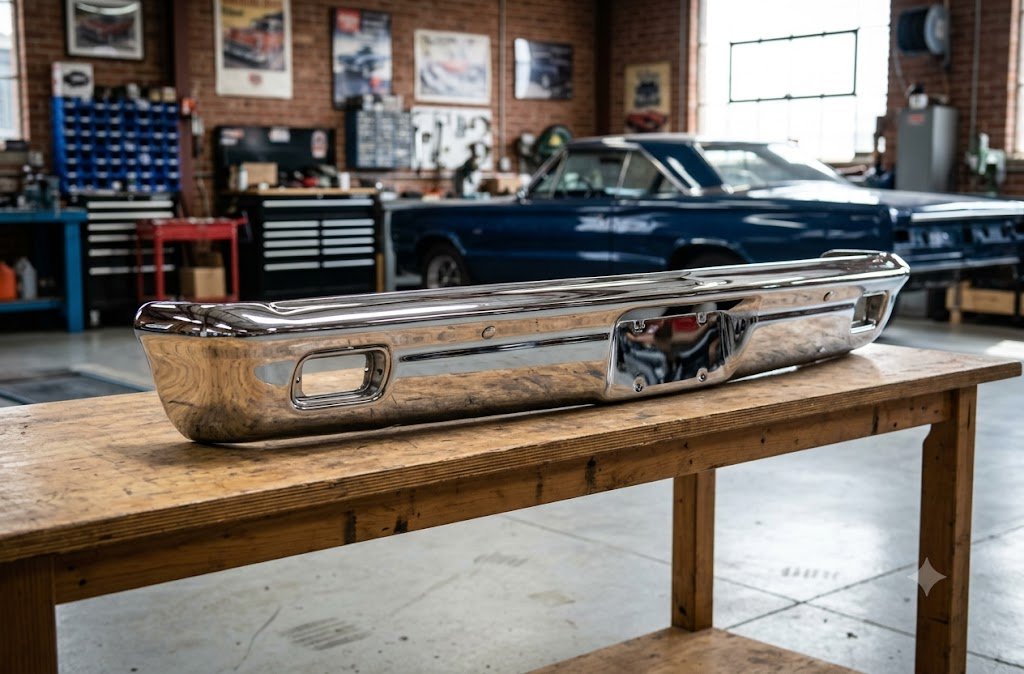
Used Chrome Bumper – Alpha Salvage – +1 (626) 693-3601 – Quality Used Bumper Parts
Looking for a replacement with a classic metallic finish? Fortunately, a used chrome bumper can provide a practical replacement when your original bumper is damaged, dented, scratched, or affected by corrosion.
However, a chrome bumper is more than an exterior styling component. Depending on the vehicle, it may work with reinforcement components, brackets, supports, mounting hardware, trim pieces, and other bumper-related parts.
Therefore, knowing exactly which chrome bumper you need can make your search much easier. Additionally, checking the year, make, model, trim, body style, VIN, and OEM part number can help you find a better fit.
What Is a Chrome Bumper?
A chrome bumper is a vehicle bumper designed with a reflective metallic exterior finish. Chrome bumpers are commonly associated with trucks, classic vehicles, older cars, commercial vehicles, and certain specialty applications.
For example, the chrome surface provides a distinctive appearance while the bumper structure supports the vehicle's exterior bumper system. Meanwhile, brackets, reinforcements, and mounting hardware help position the bumper correctly.
Chrome Exterior Finish
First, the chrome finish creates the bright metallic appearance associated with this type of bumper. Therefore, inspect the surface for peeling, pitting, corrosion, deep scratches, and other visible damage.
Metal Bumper Structure
Behind the finished surface, the bumper can provide structural support for the vehicle's bumper area. However, the construction and material can vary between applications.
Mounting Brackets
Mounting brackets connect the bumper to the vehicle. Consequently, bent brackets, damaged mounting holes, or missing hardware can affect proper installation and alignment.
Vehicle-Specific Design
Finally, chrome bumpers are designed for specific vehicle applications. Therefore, the shape, mounting points, cutouts, corners, and dimensions should match the original bumper.
What Can a Used Chrome Bumper Include?
Every vehicle uses its own bumper configuration. As a result, one used chrome bumper may be sold as an individual bumper while another listing may include brackets, supports, trim, or other related components.
For that reason, always read the listing carefully. Also, compare the photographs with your original bumper before placing an order.
01 Chrome Bumper
First, the main bumper provides the visible metallic exterior section. Therefore, inspect its shape, surface finish, mounting holes, and overall condition.
02 Mounting Brackets
Brackets help secure the bumper to the vehicle. However, some used chrome bumper listings may not include every mounting bracket.
03 Reinforcement
Some bumper configurations use a separate reinforcement behind the visible bumper. Consequently, inspect this component carefully after a collision.
04 End Sections
Depending on the application, bumper ends or corner sections can form part of the bumper design. Therefore, check both ends for dents and corrosion.
05 Trim Components
Additionally, some bumpers may have trim pieces, guards, steps, or other vehicle-specific components attached to them.
06 Mounting Hardware
Finally, bolts, brackets, retainers, and other hardware may be required for installation. Therefore, confirm exactly what the listing includes.
Chrome Bumper vs. Painted Bumper
Before ordering, it helps to understand the difference between these two common bumper finishes. Although both can provide a replacement bumper, their appearance, surface characteristics, and applications can differ.
Used Chrome Bumper
A chrome bumper provides a reflective metallic appearance. Therefore, it can be particularly suitable when the original vehicle was equipped with a chrome-finished bumper.
- Reflective metallic finish
- Common on trucks and older vehicles
- Can show surface pitting
- Can develop visible corrosion
- Finish should match the original application
Used Painted Bumper
On the other hand, a painted bumper uses a painted exterior finish. Nevertheless, the color and paint condition should still be checked before purchasing.
- Painted exterior finish
- Available in vehicle-specific colors
- Paint can fade over time
- May require refinishing
- Color should be verified before ordering
Types of Used Chrome Bumpers
Chrome bumper designs change between vehicles, model years, body styles, and applications. Therefore, identifying the correct bumper type can make the replacement process much simpler.
Chrome Truck Bumpers
Generally, pickup trucks use larger chrome bumper designs with vehicle-specific mounting arrangements. Therefore, verify the truck's year, cab style, and trim.
Chrome Front Bumpers
Similarly, front chrome bumpers can vary according to grille design, headlights, trim level, and mounting locations.
Chrome Rear Bumpers
Meanwhile, rear chrome bumpers can include step areas, license-plate provisions, sensor openings, or other vehicle-specific features.
Chrome Step Bumpers
Some pickup trucks and commercial applications use chrome step bumpers. Consequently, check the step design and mounting configuration carefully.
Classic Chrome Bumpers
Older vehicles can use distinctive chrome bumper shapes and mounting arrangements. Even so, exact year and model compatibility remains important.
OEM Chrome Bumpers
Used OEM chrome bumpers come from original vehicle applications. However, you should still verify the OEM part number and vehicle compatibility.
Signs You May Need a Chrome Bumper Replacement
Collision damage does not always appear as one obvious problem. In fact, the chrome surface can hide dents, mounting damage, corrosion, or structural problems. Therefore, inspect the complete bumper before ordering a replacement.
Visible Chrome Damage
- Deep dents or deformation
- Severe chrome pitting
- Peeling or damaged finish
- Heavy corrosion
- Deep scratches
- Cracked or damaged sections
Mounting or Structural Damage
- Bent mounting brackets
- Damaged mounting holes
- Misaligned bumper position
- Broken hardware
- Impact damage behind the bumper
- Severe corrosion around mounting areas
How a Chrome Bumper Works
Rather than viewing the bumper as only a decorative exterior component, think of it as part of the vehicle's complete bumper system. Each supporting component can perform a different role.
The Chrome Surface Provides the Exterior Finish
First, the chrome exterior creates the visible appearance of the bumper. In addition, it can provide the finish expected for the vehicle's original configuration.
The Bumper Supports the Exterior System
Behind the visible surface, the bumper structure forms part of the vehicle's bumper system. As a result, dents and deformation should be inspected carefully.
Mounting Points Hold the Bumper in Position
Next, brackets and mounting points connect the bumper with the vehicle. Therefore, damaged mounting locations can affect alignment and installation.
Vehicle-Specific Features Must Match
Finally, cutouts, steps, sensor openings, license-plate areas, and other features should match the original bumper. Proper matching helps reduce fitment problems.
How to Inspect a Used Chrome Bumper
Buying a used chrome bumper does not mean accepting unknown condition. Instead, ask for clear photographs and inspect the finish, mounting areas, and included components before making your decision.
Furthermore, compare the used bumper with your original part. This simple step can help you identify differences in shape, dimensions, mounting points, holes, steps, and other vehicle-specific features.
Check the Chrome Finish
- Look for deep scratches
- Check for peeling chrome
- Inspect for pitting
- Look for corrosion
- Check the overall shine
Inspect the Bumper Structure
- Look for dents
- Check for bends
- Inspect impact marks
- Check mounting holes
- Look for deformation
Check Supporting Parts
- Inspect mounting brackets
- Check hardware
- Inspect reinforcement
- Check sensor openings
- Verify included trim
Before You Buy a Used Chrome Bumper
The easiest way to avoid a wrong-part purchase is to verify fitment before ordering. Although two vehicles may look similar, chrome bumper designs can change between years, trims, body styles, and equipment packages.
Confirm Year, Make and Model
First, provide the exact year, make, and model instead of relying only on a general chrome bumper description.
Check Trim and Body Style
Next, verify the trim and body style because these details can change bumper shape, mounting points, steps, and other features.
Use the VIN When Possible
Additionally, provide the VIN whenever possible. This information can help narrow the search to the correct vehicle configuration.
Compare the OEM Part Number
Similarly, compare the OEM part number when available. However, still verify compatibility because manufacturers can supersede part numbers.
Check Bumper Features
Moreover, check whether your bumper has steps, sensor openings, license-plate provisions, tow-hook areas, or other vehicle-specific features.
Confirm What the Listing Includes
Finally, confirm whether the listing includes the bumper, brackets, reinforcement, hardware, trim, or other components shown in the photographs.
Look Beyond the Chrome Finish
At first glance, a chrome bumper may appear to be a simple exterior component. However, the mounting structure and supporting components behind it can be equally important.
Therefore, understanding the complete bumper configuration can help you choose the correct replacement. In addition, careful inspection can help you identify whether you need the complete bumper or only a related component.

Popular Used Chrome Bumper Searches
More specific searches can make it easier to find the right component. For example, combine the bumper type with your vehicle information, VIN, or OEM part number.
Additionally, use terms that describe the exact bumper configuration you need. This approach can help you compare different used chrome bumper listings more efficiently.
More Used Bumper & Related Parts
Sometimes, a chrome bumper replacement forms only one part of a larger repair. Therefore, checking related components at the same time can help you identify everything required.
Used Front Bumper
If the front bumper has been damaged, a used replacement can provide another option. However, check the exact vehicle application before purchasing.
Used Rear Bumper
A damaged rear bumper may require replacement after a collision. Therefore, verify the rear bumper's shape, mounting points, and vehicle configuration.
Used Bumper Reinforcement
After an impact, inspect the reinforcement carefully. Consequently, replace a damaged component rather than assuming it remains suitable.
Used Bumper Brackets
Broken or missing brackets can affect bumper alignment. Therefore, verify the mounting hardware before installation.
Used Bumper Support
Bumper supports help position the bumper correctly. Additionally, damaged supports can create alignment problems during installation.
Used Bumper Retainer
Retainers and clips can secure bumper sections to the vehicle. Therefore, confirm whether the required retainers are included with the listing.
Warranty, Shipping & Returns
Because used chrome bumpers can vary by supplier, the terms can also differ. Therefore, review the specific listing before you place an order.
Warranty
Warranty coverage can vary by supplier and part. For this reason, review the warranty terms associated with the specific chrome bumper.
Shipping
Chrome bumpers can require larger packaging than many smaller auto parts. Consequently, shipping cost and delivery time can vary by destination.
Returns
Return conditions depend on the supplier and the part purchased. Therefore, check the applicable return policy before ordering.
Condition
Used chrome bumpers can show normal signs of previous use. Nevertheless, review photographs and condition details so you understand the finish and condition before purchasing.
Find a Used Chrome Bumper That Fits Your Vehicle
Need a used chrome bumper after an accident, corrosion, or exterior repair? Fortunately, Alpha Salvage can help you search for used OEM bumper components through a nationwide network of salvage yards.
Whether you need a used chrome front bumper, chrome rear bumper, chrome truck bumper, chrome pickup bumper, chrome step bumper, bumper brackets, reinforcement, or another related component, start with your vehicle's year, make, model, trim, VIN, and OEM part number when available.
Furthermore, always confirm what the listing includes. Matching mounting points, correct bumper dimensions, suitable finish, and compatible vehicle specifications can help reduce fitment problems and unnecessary returns.
Frequently Asked Questions About Used Chrome Bumpers
What is a chrome bumper?
A chrome bumper is a vehicle bumper with a reflective metallic exterior finish. Chrome bumpers are commonly found on trucks, older vehicles, classic vehicles, and certain commercial applications.
Are used chrome bumpers worth buying?
A used chrome bumper can provide a practical replacement when it matches your vehicle and meets the required condition. However, inspect the finish, mounting areas, and compatibility before purchasing.
How do I know which chrome bumper fits my vehicle?
Start with the year, make, model, trim, and body style. Additionally, provide the VIN or OEM part number when available. These details can help narrow the search.
Does the trim level affect chrome bumper fitment?
Yes. Different trims can use different bumper shapes, mounting points, steps, openings, and other features. Therefore, do not rely only on the model name.
Can I buy a used chrome bumper by VIN?
Yes, VIN information can help identify the correct vehicle configuration. Therefore, providing the VIN along with the vehicle details can make the search more precise.
What should I check on a used chrome bumper?
First, inspect the chrome surface for scratches, pitting, peeling, corrosion, and dents. Also, check mounting points, brackets, hardware, dimensions, and included components.
Are scratches normal on used chrome bumpers?
Minor cosmetic wear can occur on used body parts. Nevertheless, distinguish normal surface marks from deep scratches, severe pitting, corrosion, deformation, or other significant damage.
What is chrome bumper pitting?
Chrome pitting refers to small damaged or corroded areas that appear as spots or depressions on the chrome surface. Severe pitting can affect the appearance and condition of a used bumper.
Can a used chrome bumper have corrosion?
Yes. Used chrome bumpers can develop corrosion or pitting, especially around damaged areas, edges, mounting points, or exposed sections. Therefore, inspect photographs carefully.
Can a used chrome bumper come with brackets?
Not always. Some listings include brackets and mounting hardware, while others sell the bumper separately. Therefore, confirm the included parts before purchasing.
Does a chrome bumper include reinforcement?
It depends on the vehicle and listing. Some bumper assemblies may include reinforcement components, while others do not. Consequently, check the photographs and description.
Can a chrome bumper include mounting hardware?
Some listings may include mounting hardware, but this is not guaranteed. Therefore, confirm whether bolts, brackets, retainers, or other hardware are included.
Are chrome bumpers available for trucks?
Yes. Chrome bumpers are commonly used on various pickup trucks and other vehicle applications. However, the correct bumper depends on the truck's year, model, trim, and body configuration.
Are chrome bumpers available for classic vehicles?
Used chrome bumpers can be available for older and classic vehicle applications. However, exact availability depends on current salvage-yard inventory and the specific vehicle.
Are chrome front and rear bumpers different?
Yes. Front and rear bumpers are designed differently and usually have different shapes, mounting locations, and vehicle-specific features. Therefore, confirm whether you need a front or rear bumper.
Why is the OEM part number important?
An OEM part number can help identify a specific bumper and vehicle application. However, part numbers can change or supersede, so verify compatibility with the vehicle as well.
How much does a used chrome bumper cost?
Pricing varies based on vehicle, model year, condition, finish, availability, included components, and supplier. Therefore, no single price applies to every used chrome bumper.
Is a used chrome bumper cheaper than a new one?
A used chrome bumper can provide a lower-cost alternative. However, pricing depends on the exact part, condition, availability, and shipping. Therefore, compare the complete purchase cost.
What should I check before buying a used chrome bumper?
First, check the year, make, model, trim, VIN, OEM number, bumper style, finish, dimensions, mounting points, included components, condition, warranty, shipping, and return terms.
Does Alpha Salvage sell used chrome bumpers?
Alpha Salvage helps customers search for used OEM auto parts through a nationwide network of salvage yards. However, availability depends on the specific vehicle and component.
Does Alpha Salvage ship used chrome bumpers?
Shipping availability and cost depend on the supplier, bumper size, destination, and packaging requirements. Therefore, confirm shipping details for the specific part before ordering.
Do used chrome bumpers come with a warranty?
Warranty coverage can vary by supplier and component. Consequently, review the warranty terms associated with the specific used chrome bumper before purchasing.
What if my used chrome bumper arrives damaged?
Document the condition immediately and contact the appropriate supplier according to the applicable return or warranty procedure. Additionally, keep photographs and packaging when requested.
Can bumper replacement affect vehicle sensors?
It can, depending on the vehicle and equipment. If the bumper contains sensors or other electronic components, replacement may require specific inspection or calibration procedures.
Should I match a chrome bumper by appearance?
Appearance alone is not enough. Two bumpers can look similar while using different mounting points or dimensions. Therefore, use vehicle information and part numbers to verify compatibility.
Why should I confirm what comes with the chrome bumper?
A listing may show several components but include only selected parts. Therefore, confirming the exact contents helps you avoid missing brackets, hardware, reinforcement, trim, or other required components.