

Find your right Engine part
Over 120,000+ automotive and truck parts
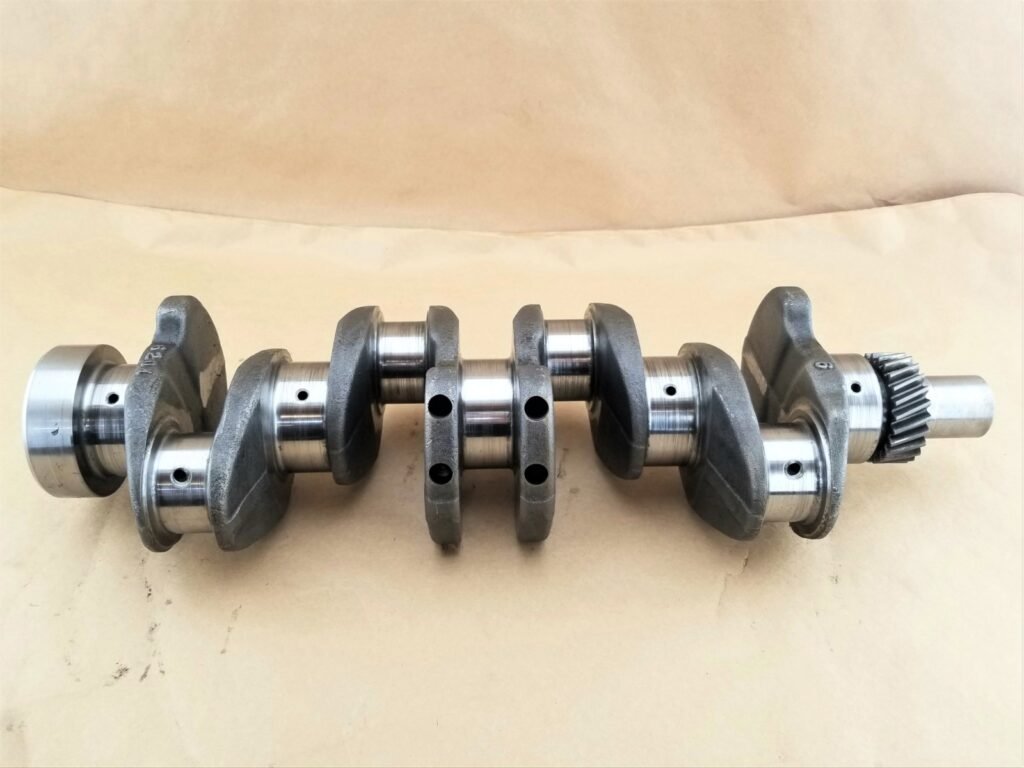
Used Crankshaft – Alpha Salvage – +1 (626) 693-3601 – Quality Used Engines
A used crankshaft can provide a practical replacement when an engine needs a damaged or worn crankshaft replaced. The crankshaft converts piston movement into rotational power, so it plays a central role in engine operation. Therefore, choosing the correct crankshaft remains essential for a reliable engine rebuild or repair.
At Alpha Salvage, customers can search for used crankshafts through current U.S. salvage-yard inventory. Depending on availability, options can include used OEM crankshafts, replacement crankshafts, gasoline crankshafts, diesel crankshafts, and crankshafts for different vehicle makes and models.
Find the Right Used Engine Crankshaft
First, identify the vehicle year, make, model, engine size, engine code, and VIN. Then, compare the crankshaft casting number, part number, journal specifications, and application. As a result, you can reduce the risk of selecting a crankshaft that does not match the engine.
Compare Crankshaft Condition Before Buying
A visual inspection provides useful information, but it does not tell the complete story. Therefore, check the crankshaft journals, oil passages, keyways, mounting surfaces, threads, counterweights, and seal surfaces. In addition, professional measurements can help identify wear, taper, ovality, runout, or other issues before installation.
What Is an Engine Crankshaft?
The crankshaft sits inside the engine block and connects the piston and connecting-rod movement to the engine's rotating output. In simple terms, it changes the pistons' up-and-down movement into rotational movement. Consequently, the crankshaft must maintain accurate dimensions and strong rotating surfaces during engine operation.
Converts Piston Movement
The crankshaft receives movement from the connecting rods. Then, its crankpins convert that movement into rotation that the engine can use to produce power.
Supports Engine Rotation
Main journals support the crankshaft inside the engine block. Therefore, accurate journal surfaces and proper bearing clearance help the crankshaft rotate correctly.
Works With Engine Components
The crankshaft works with connecting rods, main bearings, timing components, the flywheel or flexplate, and other engine parts. Because these components work together, compatibility matters during replacement.
Types of Used Crankshafts
Vehicle engines use different crankshaft designs according to engine size, cylinder arrangement, fuel type, and manufacturer specifications. Therefore, buyers should match the replacement crankshaft with the exact engine application.
Used OEM Crankshafts
Used OEM crankshafts come from original-equipment engines. Consequently, they can provide a suitable option when the replacement matches the original engine specifications and passes the required inspection.
- Original equipment applications
- Vehicle-specific fitment
- Engine-code matching
- Part-number verification
- Inspection before installation
Used Gasoline Crankshafts
Gasoline engines use crankshafts designed for their specific displacement and cylinder configuration. Therefore, confirm the engine size, model year, engine code, and crankshaft specifications before purchasing.
- Four-cylinder applications
- Six-cylinder applications
- V6 applications
- V8 applications
- Performance applications
Used Diesel Crankshafts
Diesel engines place different operating demands on internal engine components. As a result, buyers should verify the exact diesel engine application and inspect the crankshaft carefully before installation.
- Light-duty diesel applications
- Heavy-duty diesel applications
- Turbo diesel applications
- Engine-code matching
- Journal inspection
Used Performance Crankshafts
Performance engines can require specific crankshaft dimensions and balancing characteristics. Therefore, verify the original engine specification before choosing a used performance crankshaft.
- High-performance engines
- V6 performance applications
- V8 performance applications
- Turbocharged applications
- Supercharged applications
Used Crankshafts for Rebuilds
Engine rebuilders often inspect the crankshaft before deciding whether they can reuse it. Accordingly, a used crankshaft can support an engine rebuild when its dimensions, condition, and specifications meet the engine manufacturer's requirements.
- Engine rebuild projects
- Replacement projects
- Machine-shop inspection
- Journal measurement
- Crack inspection
Used Replacement Crankshafts
A replacement crankshaft can restore an engine when the original crankshaft has suffered serious wear or damage. However, always compare the replacement unit with the original engine specifications before installation.
- Vehicle-specific replacement
- OEM applications
- Engine-code verification
- Part-number matching
- Condition assessment
Important Parts of a Crankshaft
A crankshaft contains several important surfaces and features. Because each area performs a specific function, inspect the complete crankshaft rather than checking only the main journals.
Main Journals
Main journals support the crankshaft through the engine's main bearings. Therefore, inspect these surfaces for scoring, excessive wear, discoloration, or other damage.
Connecting Rod Journals
Connecting rod journals connect the crankshaft to the connecting rods through rod bearings. Consequently, these journals need accurate dimensions and smooth surfaces.
Crankshaft Counterweights
Counterweights help balance rotating forces within the engine. Therefore, inspect them for cracks, impact damage, and other physical defects.
Keyway
The keyway helps secure certain rotating components to the crankshaft. As a result, damaged or worn keyways can create installation and operating problems.
Oil Passages
Internal oil passages help deliver lubrication to important crankshaft surfaces. Therefore, keep these passages clean and check them for blockage or contamination.
Flywheel Mounting Surface
The rear section of the crankshaft connects with the flywheel or flexplate, depending on the vehicle. Consequently, inspect the mounting surface and bolt holes for damage.
How to Inspect a Used Crankshaft
Proper inspection helps identify crankshaft damage before installation. Therefore, inspect both visible surfaces and critical dimensions before you use a used crankshaft in an engine rebuild.
1. Inspect the Journals
Start by checking the main and connecting rod journals. Look for deep scratches, scoring, grooves, corrosion, or heat discoloration. Then, compare the surfaces with the manufacturer's specifications.
2. Check for Cracks
Next, inspect the crankshaft for cracks, especially around highly stressed areas. A qualified machine shop can use appropriate non-destructive testing when the application requires deeper inspection.
3. Measure Journal Wear
Measure the journals with suitable precision equipment. This process can identify wear, taper, and ovality that a basic visual inspection may miss.
4. Check Runout
Check crankshaft runout according to the vehicle manufacturer's specifications. If the crankshaft bends beyond the acceptable limit, it may require professional repair or replacement.
5. Inspect Oil Passages
Clean and inspect the oil passages carefully. Therefore, remove dirt, sludge, metal particles, and other contamination before installation.
6. Check Mounting Surfaces
Finally, inspect the keyway, threads, seal surfaces, pilot area, and flywheel or flexplate mounting surface. These areas can affect proper installation and engine operation.
Signs of a Damaged Crankshaft
A damaged crankshaft can affect engine reliability and bearing life. Therefore, look for warning signs before purchasing or installing a used crankshaft.
Deep Journal Scoring
Deep scoring can indicate severe contact or lubrication problems. Therefore, compare the journal condition with the manufacturer's allowable repair limits.
Heat Discoloration
Blue or purple discoloration can indicate excessive heat exposure. Consequently, a qualified technician should evaluate the crankshaft before reuse.
Cracks
Cracks can compromise crankshaft strength. For this reason, professional crack testing can provide additional information when a visual inspection cannot confirm the condition.
Excessive Wear
Excessive journal wear can affect bearing clearance and oil pressure. Therefore, measure the journals instead of relying only on appearance.
Damaged Threads
Damaged threads can make pulley, balancer, or flywheel installation difficult. Consequently, inspect threaded areas before purchase.
Damaged Seal Surface
A grooved or damaged seal surface can contribute to oil leakage. Therefore, inspect the front and rear seal contact areas carefully.
How to Choose the Right Used Crankshaft
1. Identify Your Engine
Start with the vehicle year, make, model, engine size, and engine code. This information provides a strong starting point for crankshaft compatibility.
2. Check the VIN
Whenever possible, provide the VIN. In addition, VIN information can help distinguish between different engine configurations within the same vehicle model.
3. Compare Part Numbers
Compare the crankshaft part number, casting information, and engine specifications. However, do not rely on the part number alone when the manufacturer lists multiple revisions.
4. Review Condition
Check the journals, counterweights, keyway, oil passages, mounting surfaces, and seal areas. Then, ask about available inspection information.
5. Consider Machine-Shop Inspection
A machine shop can measure important crankshaft dimensions and check for issues that a basic visual inspection may miss. Therefore, professional inspection can add confidence before installation.
6. Review Warranty Terms
Finally, review warranty, return, shipping, and installation requirements before ordering. These terms can vary according to the supplier and specific part.
Popular Used Crankshaft Searches
Customers search for used crankshafts in several ways. For example, buyers may search by vehicle make, engine size, engine family, part number, cylinder count, fuel type, or model year. Therefore, use the most specific information available when looking for a replacement crankshaft.
Used Crankshafts by Vehicle Application
Alpha Salvage can help customers search for used crankshafts across many vehicle applications. However, availability changes with current salvage-yard inventory, so exact fitment requires vehicle and engine information.
Used Ford Crankshafts
Ford engines use different crankshaft designs across four-cylinder, V6, V8, diesel, turbocharged, and performance applications. Therefore, verify the exact engine before ordering.
Used Chevrolet Crankshafts
Chevrolet vehicles use many engine families with different crankshaft specifications. Consequently, engine displacement and engine code remain important when searching.
Used BMW Crankshafts
BMW crankshafts vary across engine generations and configurations. Therefore, match the replacement with the correct BMW engine code and model year.
Used Toyota Crankshafts
Toyota uses different crankshaft specifications across its gasoline and hybrid-related engine families. As a result, exact engine identification remains important.
Used Honda Crankshafts
Honda crankshafts vary according to engine family, displacement, and generation. Therefore, confirm the engine code and application before purchasing a used crankshaft.
Used Mercedes-Benz Crankshafts
Mercedes-Benz engines use different crankshaft designs across gasoline and diesel applications. Consequently, VIN and engine-code verification can help identify the correct replacement.
Used Crankshaft for Engine Rebuilds
An engine rebuild often requires careful inspection of the crankshaft and other internal components. Therefore, a used crankshaft can become a useful replacement option when it meets the required specifications and condition standards.
Crankshaft Rebuild Inspection
First, clean the crankshaft and inspect the main journals, rod journals, oil passages, counterweights, keyways, and seal surfaces. Next, measure the critical dimensions and compare them with the engine manufacturer's specifications.
- Inspect main journals
- Inspect connecting rod journals
- Check oil passages
- Inspect keyways and threads
- Check seal surfaces
- Measure journal dimensions
- Check runout
- Inspect for cracks
Match the Crankshaft With Other Components
The crankshaft does not work alone. Instead, it works with main bearings, connecting rods, pistons, timing components, the oiling system, and the flywheel or flexplate. Therefore, confirm that these components match the engine specification.
- Correct main bearings
- Correct connecting rod bearings
- Correct connecting rods
- Correct pistons and stroke
- Correct timing components
- Correct flywheel or flexplate
- Correct engine balancing
- Correct manufacturer specifications
More Used Engine Parts From Alpha Salvage
A crankshaft replacement may require additional engine components. Therefore, customers can also search for related used engine parts through Alpha Salvage.
Visual Guide: Used Crankshaft Inspection

Used Crankshaft Warranty, Shipping & Returns
Warranty
Warranty availability and coverage can vary according to the specific salvage-yard supplier and crankshaft. Therefore, review the warranty terms for the exact part before ordering or installing it.
Shipping
Alpha Salvage ships automotive parts across the USA. However, shipping costs can vary according to the crankshaft weight, destination, packaging requirements, and supplier.
Returns
If a part arrives damaged, document the condition with clear photographs and contact Alpha Salvage promptly. In addition, review the applicable return requirements before installation because installation can affect return eligibility.
Frequently Asked Questions About Used Crankshafts
Find answers to common questions about used crankshafts, OEM crankshafts, crankshaft inspection, compatibility, engine rebuilds, condition, warranty, shipping, and replacement crankshafts.
What is a crankshaft?
A crankshaft is an internal engine component that converts the pistons' reciprocating movement into rotational movement. Therefore, it plays an essential role in transferring engine power to the drivetrain.
Where can I buy a used crankshaft?
You can search for used crankshafts through salvage yards, automotive recyclers, used auto-parts suppliers, and online parts marketplaces. Additionally, Alpha Salvage helps customers search available used automotive parts through its salvage-yard network.
Are used crankshafts worth buying?
A used crankshaft can provide a practical replacement when it matches the engine and passes the required inspection. Therefore, compare the crankshaft's condition, dimensions, application, warranty, and return terms before purchasing.
Can I buy a used OEM crankshaft?
Yes, depending on current inventory. Used OEM crankshafts can come from original-equipment engines, so they may provide a suitable replacement when the part matches the correct engine application and condition requirements.
How do I know if a used crankshaft is good?
Start by inspecting the main journals, connecting rod journals, oil passages, keyways, threads, counterweights, and seal surfaces. Then, measure critical dimensions and check for cracks or runout when required.
What should I inspect on a used crankshaft?
Inspect the journal surfaces, oil passages, counterweights, keyways, mounting surfaces, threads, seal areas, and timing-related features. In addition, check journal dimensions, taper, ovality, and runout according to the engine specifications.
Can a used crankshaft have journal wear?
Yes. A used crankshaft can show journal wear from normal operation or previous engine problems. Therefore, measure the journals instead of judging their condition only by appearance.
Can a used crankshaft have cracks?
Yes. Crankshafts can develop cracks because they experience significant mechanical stress. Therefore, professional crack testing can help identify defects that a basic visual inspection may not reveal.
What causes crankshaft damage?
Crankshaft damage can result from bearing failure, inadequate lubrication, excessive heat, severe engine failure, contamination, improper assembly, or other mechanical problems. Therefore, identify the original cause before installing a replacement crankshaft.
Can a damaged crankshaft be repaired?
In some cases, a machine shop can repair a crankshaft within the manufacturer's allowable specifications. However, the repair method depends on the type and severity of damage, so a qualified technician should evaluate the part first.
How do I find the correct crankshaft for my vehicle?
Start with the vehicle year, make, model, engine size, engine code, and VIN. Next, compare the crankshaft part number and specifications. As a result, you can narrow the search to compatible crankshafts.
Can I find a used crankshaft by VIN?
Yes. A VIN can help identify the vehicle's original configuration. Therefore, providing the VIN can make the search for a compatible used crankshaft more precise.
What is the difference between a crankshaft and a camshaft?
The crankshaft converts piston movement into rotational movement, while the camshaft controls valve operation. Therefore, these components perform different jobs even though they work together inside the engine.
Does a crankshaft work with connecting rods?
Yes. Connecting rods attach the pistons to the crankshaft through the crankshaft's connecting rod journals. Consequently, the crankshaft and connecting rods work together to convert piston movement into rotation.
What are crankshaft main journals?
Main journals provide the primary bearing surfaces that support the crankshaft inside the engine block. Therefore, their condition and dimensions directly affect crankshaft operation.
What are crankshaft connecting rod journals?
Connecting rod journals provide the attachment points for the connecting rods. Because these surfaces support rotating loads, they require accurate dimensions and proper bearing clearance.
What is crankshaft runout?
Crankshaft runout describes how much the crankshaft deviates from its intended rotational path. Therefore, excessive runout can indicate bending or another condition that requires further inspection.
What are crankshaft taper and ovality?
Taper describes a diameter difference along a journal, while ovality describes differences in diameter around the journal. Therefore, measuring both helps technicians evaluate crankshaft wear accurately.
Can I use a used crankshaft in an engine rebuild?
Yes, provided the crankshaft meets the engine manufacturer's specifications and passes the required inspection. Therefore, check the crankshaft before installing it into a rebuilt engine.
Should I replace crankshaft bearings with a used crankshaft?
Bearing requirements depend on the engine rebuild and crankshaft measurements. Therefore, have the crankshaft measured and follow the correct engine manufacturer's specifications when selecting bearings.
Can a used crankshaft fit multiple engines?
Some crankshafts can fit more than one application, but you should never assume compatibility. Instead, compare the engine code, dimensions, part number, stroke, mounting configuration, and manufacturer's specifications.
Can I buy a used diesel crankshaft?
Yes, depending on current inventory. However, diesel crankshafts can differ significantly according to engine family and application. Therefore, confirm the exact diesel engine before ordering.
Can I buy a used gasoline crankshaft?
Yes. Alpha Salvage can help customers search available used gasoline engine parts. However, exact availability depends on current salvage-yard inventory and vehicle specifications.
How much does a used crankshaft cost?
Used crankshaft prices vary according to the vehicle, engine family, condition, availability, part number, and supplier. Therefore, provide accurate engine information when requesting a price.
Can Alpha Salvage ship a used crankshaft across the USA?
Alpha Salvage ships automotive parts across the USA. However, shipping costs can vary according to the crankshaft's weight, destination, packaging, and supplier requirements.
What information should I provide when searching for a crankshaft?
Provide the vehicle year, make, model, VIN, engine size, engine code, fuel type, and transmission information when available. In addition, provide the original crankshaft part number if you have it.
Should a machine shop inspect a used crankshaft?
A machine-shop inspection can provide valuable information about journal dimensions, cracks, runout, taper, ovality, and other conditions. Therefore, professional inspection makes sense when the crankshaft forms part of a major engine rebuild.
What should I check before installing a used crankshaft?
Check compatibility, journal dimensions, cracks, runout, oil passages, mounting surfaces, threads, seal areas, and bearing requirements. Then, compare the measurements with the correct engine specifications before installation.
Can I buy other engine parts with a used crankshaft?
Yes. Depending on inventory, you can also search for used engine blocks, cylinder heads, connecting rods, pistons, camshafts, flywheels, engine covers, brackets, and other used auto parts.
Used Crankshaft for Sale — Search by Vehicle and Engine
Search for used crankshafts by vehicle make, model, year, engine family, engine size, engine code, fuel type, and part number. Popular searches include used engine crankshafts, used OEM crankshafts, used replacement crankshafts, used gasoline crankshafts, used diesel crankshafts, V6 crankshafts, V8 crankshafts, and crankshafts for engine rebuilds.
Always verify the exact crankshaft application before ordering. In addition, compare the part number, engine specifications, journal dimensions, condition, warranty, shipping requirements, and return terms. Because salvage-yard inventory changes regularly, provide the vehicle year, model, VIN, and engine information whenever possible to improve the search.