

Find your right Door part
Over 120,000+ automotive and truck parts
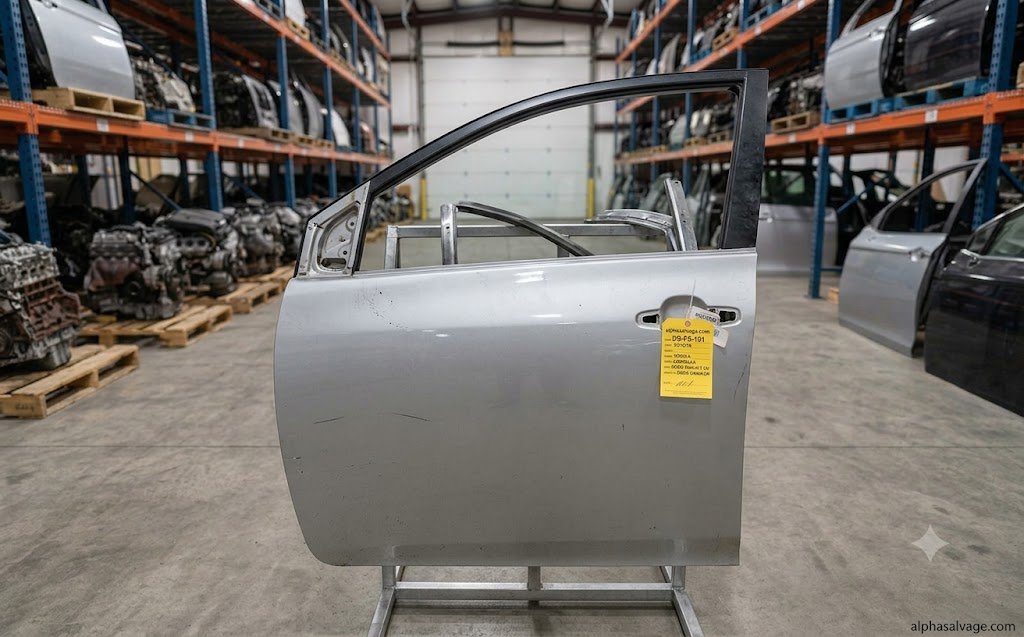
Used Door Skin
A used door skin is a practical replacement for the exterior metal panel of a vehicle door when the original skin has been dented, creased, rusted, or damaged in a collision. It can restore the outer appearance while allowing the original inner door structure and compatible hardware to remain in place.
Because door skins vary by vehicle, side, body style, year, trim, and design, the correct match requires more than comparing appearance. Therefore, verify the vehicle configuration, door position, mounting profile, panel shape, condition, and OEM part information before ordering.
What Is a Used Door Skin?
A used door skin is the exterior panel attached to the structural portion of a vehicle door. It forms much of the visible outside surface and helps give the door its original shape and body-line appearance.
Unlike a complete door assembly, a door skin does not normally include the complete inner structure, glass, regulator, latch, wiring, or interior trim. Instead, it is primarily an exterior replacement panel that can be used when the original door structure remains serviceable.
Used Door Skin: Main Areas
A door skin contains several important exterior and mounting areas. Inspecting these areas helps determine whether the panel can suit the intended repair.
Outer Panel Surface
The visible exterior metal surface creates the main appearance of the replacement door skin.
Body Lines
Factory body lines and contours should match the original door so the replacement panel follows the vehicle's design.
Panel Edges
The edges must have the correct shape and profile for the intended door structure and installation method.
Lower Door Area
Inspect the lower section for corrosion, dents, folds, repairs, or deformation from previous damage.
Window Frame Area
The upper portion should retain the correct profile around the window opening and beltline.
Mounting Edges
These edges connect the skin to the door structure, so bends or excessive damage can affect installation.
Wheel-Arch or Fender-Line Profile
Where applicable, the panel shape must follow the vehicle's door-to-body transition and surrounding body lines.
Finish & Surface
Paint, scratches, oxidation, dents, and previous repairs can affect the final appearance of a used door skin.
What May Be Included With a Used Door Skin?
A door skin listing normally focuses on the exterior panel itself. However, the exact condition and any attached hardware can vary by donor vehicle and supplier.
| Item | Possible Availability | What to Verify |
|---|---|---|
| Door Skin Panel | Commonly included | Side, body style, shape and structural condition |
| Attached Hardware | May vary | Whether any clips, brackets or attached pieces remain |
| Trim Pieces | May vary | Whether molding, trim or exterior pieces remain attached |
| Painted Finish | May be present | Color, paint code, fading, scratches and repairs |
| Emblems or Badges | May vary | Whether badges are included or removed |
A Door Skin Does Not Mean a Complete Door
The distinction matters because a door skin only addresses the exterior panel portion of the repair.
Door Skin
Best suited when the existing door structure and internal hardware remain usable and only the exterior panel requires replacement.
Door Shell
Includes more of the structural door body but may still require transfer of glass, regulator, latch, wiring, trim, and other components.
Complete Door
Can provide a broader replacement assembly, although included equipment varies by listing and vehicle configuration.
Front Door vs Rear Door Skin
Door skins are position-specific. Therefore, a front-door panel should not be assumed to fit a rear door simply because the vehicle model is the same.
Front Door Skin
Front doors can have different window openings, mirror provisions, body lines, handles, trim interfaces, and structural dimensions. Match the exact front-door position and side.
Rear Door Skin
Rear doors generally use different panel shapes and dimensions. Confirm the rear position, side, body style, and exact vehicle application before ordering.
Used Door Skin Fitment
Correct fitment depends on the exact vehicle configuration. For this reason, use multiple identification points instead of relying on visual similarity alone.
Door Skin Fitment Checklist
Why Replace a Door Skin?
A damaged exterior panel can affect both appearance and the quality of the door repair. Replacing the skin can make sense when the underlying door structure remains suitable.
Collision Damage
A collision can create deep dents, creases, folds, or stretched metal across the outer panel.
Large Dents
Severe dents may be difficult or uneconomical to repair while preserving the original panel.
Rust or Corrosion
Rust around lower edges or seams can compromise the panel's appearance and condition.
Body-Line Damage
Damage along factory contours can make a door look uneven even after conventional dent repair.
Previous Repair Damage
Old filler, welding, paintwork, or panel repairs can make a replacement skin a practical alternative.
Appearance Restoration
A suitable used OEM skin can help restore the original exterior shape and factory-style panel profile.
Door Skin vs Door Shell
These terms describe different levels of the door structure, so choosing the right component can prevent unnecessary parts replacement.
Used Door Skin
- Exterior replacement panel
- Focuses on visible body surface
- Allows the existing door structure to remain
- Requires suitable installation and finishing
- Useful when the inner structure remains serviceable
Used Door Shell
- Includes the structural door body
- Provides more of the door framework
- May require component transfer
- Can address structural damage
- Useful when the original shell is damaged
Used Door Skin Configurations
Use these configuration details when comparing listings and checking whether the replacement panel matches the original door.
How a Used Door Skin Should Be Checked
Before installation, inspect the panel carefully. In particular, focus on shape, edges, corrosion, previous repairs, and areas that can affect alignment.
What to Expect From a Used OEM Door Skin
Original OEM Design
A used OEM panel can provide the original manufacturer's shape, body lines, and vehicle-specific profile.
Used Cosmetic Wear
Minor scratches, paint variation, small marks, or surface wear can occur because the panel has been previously used.
Condition Can Vary
Actual condition depends on the donor vehicle, storage, handling, previous repairs, and individual supplier listing.
Installing a Used Door Skin
Door-skin replacement can require body-repair expertise because the panel must align correctly with the existing door structure and surrounding bodywork.
01. Remove the Damaged Skin
Separate the damaged outer panel from the door structure using the appropriate body-repair method for the vehicle.
02. Prepare the Door Structure
Inspect and prepare the underlying door structure before fitting the replacement panel.
03. Align and Finish
Position the replacement skin, verify panel gaps and body lines, then complete the required finishing and paint work.
How to Find the Right Used Door Skin
Identify the Vehicle
Start with year, make, model, generation, body style, and trim.
Identify the Door Position
Confirm front or rear and driver or passenger side.
Compare the Panel
Check body lines, window-frame shape, edges, contours, and mounting profile.
Verify Identification
Use the VIN or OEM part number when available to support fitment verification.
Confirm Condition
Review photographs, damage details, finish, warranty, shipping, and return terms before ordering.
Related Used Door Parts
Why Consider a Used OEM Door Skin?
A used OEM door skin can provide a vehicle-specific replacement panel while helping you avoid replacing a complete door assembly when the existing structure remains usable.
Alpha Salvage connects customers with used OEM auto parts through a nationwide network of salvage yards and auto recyclers. Because individual suppliers handle specific parts, availability, condition, warranty, shipping, and return terms can vary.
Before Ordering a Used Door Skin
Before ordering, confirm the following details with the supplier:
Shipping, Warranty & Returns
Shipping
Door skins are large body panels, so shipping availability, packaging, cost, and delivery conditions can vary by supplier and destination.
Warranty
Warranty coverage depends on the individual supplier and listing. Review the applicable warranty terms before purchase.
Returns
Return conditions can vary. Confirm the supplier's return policy and document the part condition when it arrives.
Frequently Asked Questions About Used Door Skins
Fitment & Compatibility
What is a used door skin?
A used door skin is the exterior panel of a vehicle door. It primarily replaces the visible outer metal panel rather than the complete door assembly.
Is a door skin the same as a door shell?
No. A door skin is the exterior panel, while a door shell includes more of the structural door body. Therefore, the two parts serve different repair needs.
How do I know which used door skin fits my vehicle?
Start with the year, make, model, generation, body style, door position, side, and trim. Also compare the OEM part number or VIN when available.
Does the driver or passenger side matter?
Yes. Door skins are shaped for a specific door position and side. A driver-side panel should not be assumed to fit the passenger side.
Does front or rear door position matter?
Yes. Front and rear doors normally use different panel shapes, dimensions, contours, and mounting profiles.
Can I match a used door skin by appearance alone?
Appearance is useful for comparison, but it is not enough for final fitment. Use vehicle information, panel dimensions, position, and part identification as well.
Can a VIN help identify the correct door skin?
Yes. A VIN can help identify the vehicle configuration. However, the physical panel and supplier listing should still be verified before ordering.
Components & Condition
Does a used door skin include the complete door?
No. A door skin normally refers to the exterior panel. It does not automatically include glass, regulator, latch, wiring, interior trim, or the complete door structure.
Can a used door skin include trim or badges?
It may, but inclusion varies by listing. Confirm whether any molding, badges, trim, or attached hardware remains with the panel.
Can a used door skin be painted?
Yes, a used panel may retain its previous vehicle finish. However, paint color, fading, scratches, and paint-code differences can make refinishing necessary.
What condition should I expect from a used door skin?
Condition varies by donor vehicle and supplier. Minor cosmetic wear can occur, while larger dents, rust, repairs, or paint damage should be identified in the listing.
How should I inspect a used door skin?
Check the outer surface, body lines, edges, lower areas, window-frame profile, corrosion, previous repairs, and any included hardware.
Can a damaged door skin be repaired instead of replaced?
Sometimes. The best option depends on the severity and location of the damage, metal condition, repair cost, and required finish. A body professional can assess the panel.
Does a used OEM door skin match aftermarket panels?
A used OEM panel follows the original manufacturer's design. However, condition and previous repairs can affect its final appearance, so compare the actual part carefully.
Ordering, Shipping & Warranty
How much does a used door skin cost?
Pricing varies according to the vehicle, model year, condition, availability, finish, supplier, and shipping requirements. There is no single price for every application.
Is a used door skin cheaper than a new panel?
It can be, depending on the vehicle and listing. Compare the part price, condition, shipping, refinishing needs, and installation cost before deciding.
What should I confirm before buying?
Confirm year, make, model, body style, door position, side, trim, OEM number, VIN when available, condition, finish, included items, warranty, shipping, and return terms.
Does Alpha Salvage list used door skins?
Yes. Alpha Salvage's current door-parts navigation lists Used Door Skin under Door Structural Component.
Does Alpha Salvage ship used door skins?
Shipping depends on the individual supplier, destination, packaging requirements, and part dimensions. Confirm shipping details for the specific listing before ordering.
Do used door skins come with a warranty?
Warranty coverage varies by supplier and listing. Review the specific warranty terms before purchasing.
What if the door skin arrives damaged?
Document the condition promptly and contact the supplier according to the applicable return or warranty process. Keep photographs and packaging when requested.
Used Door Skin for Sale
A used door skin can be a practical replacement when the original exterior panel has serious dents, corrosion, collision damage, or previous repair issues while the underlying door structure remains usable. Before ordering, match the year, make, model, body style, door position, side, trim, VIN, and OEM part number when available.
Furthermore, inspect the panel condition and confirm exactly what the listing includes. A suitable used OEM door skin can help restore the original body profile without requiring replacement of the entire door assembly.