

Find your right Transmission part
Over 120,000+ automotives and truck parts
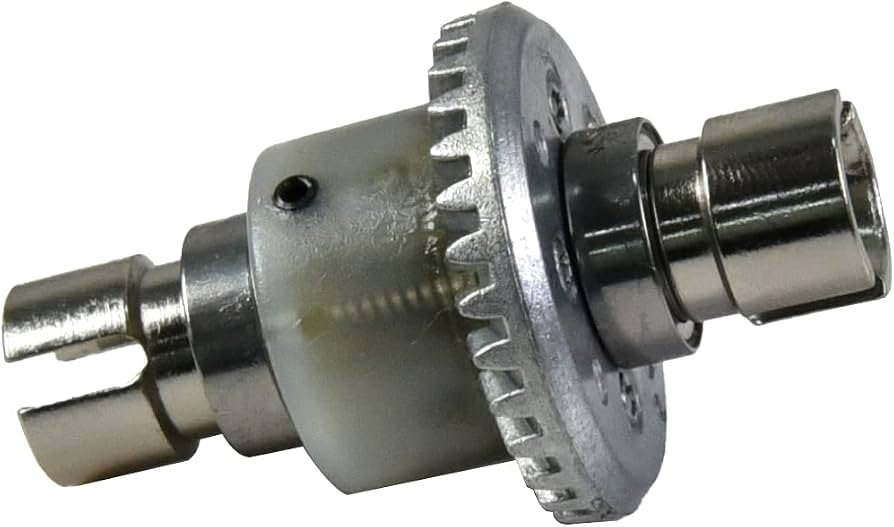
Used Differential Assembly for Replacement
The differential assembly is an important drivetrain component that helps transfer engine power to the drive wheels. At the same time, it allows the wheels connected to the axle to rotate at different speeds when the vehicle turns.
A differential assembly can contain gears, bearings, shafts, carriers, housings, and other internal components. Therefore, wear or damage within the assembly can affect vehicle movement, handling, noise levels, and drivetrain performance.
Instead of replacing an entire axle or drivetrain system, some vehicles may only require a replacement differential assembly. As a result, a correctly matched used OEM differential can be a practical option for certain repair applications.
What Is a Differential Assembly?
A differential assembly is a drivetrain mechanism that distributes torque to the drive wheels while allowing them to rotate at different speeds. This function becomes especially important when the vehicle travels around corners.
Power Distribution
The differential receives rotational power from the drivetrain and distributes it to the drive wheels. Therefore, it plays an important role in transferring engine power toward the wheels.
Different Wheel Speeds
During a turn, the outside wheel travels farther than the inside wheel. Consequently, the differential allows the wheels to rotate at different speeds while maintaining power transfer.
Gear Reduction
Many differentials incorporate a ring-and-pinion gear arrangement that changes rotational speed and increases torque delivered toward the wheels. However, the exact design depends on the vehicle drivetrain.
Drivetrain Connection
The differential connects with other drivetrain components such as axle shafts, driveshafts, transfer cases, or transmissions. Therefore, compatibility with the complete drivetrain is essential when selecting a replacement.
Open vs. Limited-Slip Differential Assemblies
Differential assemblies are available in different designs. Therefore, identifying the original differential type is an important step when searching for a used replacement.
Used Open Differential Assembly
An open differential allows the two drive wheels to rotate at different speeds during normal driving. As a result, it provides a straightforward drivetrain design used across many passenger vehicles, trucks, and SUVs.
- Common drivetrain configuration
- Allows different wheel speeds
- Used in many passenger vehicles
- Available for numerous axle applications
- Mechanical gear-based operation
- Vehicle-specific gear ratios
Used Limited-Slip Differential Assembly
A limited-slip differential is designed to reduce excessive speed differences between the drive wheels under certain traction conditions. Therefore, it can provide additional traction compared with a conventional open differential.
- Limited-slip drivetrain design
- Improved traction characteristics
- Vehicle-specific internal components
- Different clutch or gear configurations
- Specific axle and gear ratios
- Application-specific compatibility
Types of Used Differential Assemblies
Because manufacturers use different drivetrain layouts, differential assemblies are available in several configurations. Therefore, the replacement must be matched to the vehicle's drivetrain, axle, gear ratio, and differential design.
Used Front Differential Assembly
A front differential is commonly used in front-wheel-drive and four-wheel-drive applications. Depending on the vehicle, it may be integrated with the transaxle or housed separately within the drivetrain.
Used Rear Differential Assembly
A rear differential transfers power to the rear wheels on many rear-wheel-drive and four-wheel-drive vehicles. Therefore, axle configuration and gear ratio should be verified before ordering.
Used AWD Differential Assembly
All-wheel-drive vehicles can use differentials as part of a multi-axle drivetrain system. Consequently, exact vehicle configuration and drivetrain specifications are important for compatibility.
Used 4WD Differential Assembly
Four-wheel-drive systems may use front and rear differential assemblies together with a transfer case. Therefore, the axle location and gear ratio must be confirmed before purchasing a replacement.
Used Open Differential Assembly
An open differential uses internal gears to allow the drive wheels to rotate at different speeds. Because applications vary, matching the original axle and gear ratio remains important.
Used Limited-Slip Differential
Limited-slip differentials use specialized internal components to manage wheel-speed differences under certain conditions. Therefore, verify the exact differential type before selecting a used replacement.
Signs You May Need a Used Differential Assembly
A differential problem can produce several drivetrain symptoms. However, similar symptoms can also come from axle shafts, wheel bearings, driveshafts, transfer cases, or other components. Therefore, proper diagnosis is important.
Common Differential Problems
- Whining or humming from the drivetrain
- Grinding or rumbling noises
- Clunking during acceleration
- Vibration while driving
- Difficulty transferring power to the wheels
- Visible differential fluid leakage
- Excessive drivetrain play
- Unusual noise while turning
Additional Warning Signs
- Metal particles in differential fluid
- Burnt or contaminated gear oil
- Abnormal axle movement
- Uneven drivetrain behavior
- Noise that changes with vehicle speed
- Damage to the differential housing
- Worn mounting points
- Visible impact or corrosion damage
How a Differential Assembly Works
Although differential designs vary between vehicles, the basic process involves receiving drivetrain power, changing its direction or speed, and distributing torque toward the drive wheels.
Drivetrain Sends Power
The transmission or transaxle sends rotational power through the drivetrain toward the differential assembly. Depending on the vehicle, a driveshaft or integrated transmission system may provide this connection.
Pinion Transfers Rotation
In many differential designs, the pinion gear transfers rotational force toward the ring gear. Consequently, the gear arrangement can change speed while increasing torque delivered through the axle.
Differential Gears Distribute Power
Internal differential gears distribute torque between the connected axle shafts. At the same time, they allow the wheels to rotate at different speeds when required.
Axle Shafts Drive the Wheels
Finally, the axle shafts transfer rotational force from the differential toward the wheels. Therefore, problems within the differential can affect the operation of the complete drivetrain.
How to Inspect a Used Differential Assembly
Before purchasing a used differential assembly, inspect its housing, gears, bearings, shafts, mounting points, and fluid condition where possible. In addition, confirm the axle and gear-ratio specifications.
Mechanical Inspection
- Check the differential housing for cracks
- Inspect mounting points for damage
- Check axle shaft connection areas
- Inspect seals for leakage
- Look for corrosion or impact damage
- Check for excessive gear or shaft play
- Inspect accessible gears for damage
- Verify the differential configuration
Gear and Fluid Inspection
- Check differential fluid condition
- Look for metal particles in the fluid
- Inspect for burnt or contaminated oil
- Check ring gear condition where accessible
- Inspect pinion area for wear
- Check bearing areas for abnormal play
- Verify the gear ratio
- Confirm limited-slip or open configuration

Before You Buy a Used Differential Assembly
The most important part of buying a used differential assembly is confirming that the replacement matches the original drivetrain. Therefore, use the following process before ordering.
Identify the Vehicle
Record the vehicle year, make, model, trim, engine, drivetrain, and transmission type. This information creates the foundation for an accurate differential search.
Check the VIN
Whenever possible, provide the full 17-digit VIN. A VIN can help identify the exact vehicle configuration and reduce the risk of selecting an incompatible differential assembly.
Confirm the Gear Ratio
Differentials are available with different gear ratios. Therefore, verify the original ratio before ordering because an incorrect ratio can create drivetrain compatibility problems.
Confirm the Differential Type
Determine whether the vehicle uses an open differential, limited-slip differential, or another specialized design. Additionally, verify whether the replacement is intended for the front or rear axle.
Review Condition and Warranty
Finally, review the mileage, condition, testing information, warranty coverage, shipping terms, and return requirements. These details can vary according to the specific used differential assembly.
Popular Used Differential Assembly Searches
Customers search for used differential assemblies using vehicle information, axle position, drivetrain type, gear ratio, and differential configuration. Additionally, searches can include used rear differentials, front differentials, AWD differentials, 4WD differentials, open differentials, limited-slip differentials, and complete differential assemblies.
More Used Transmission Parts
A differential assembly is only one part of the vehicle drivetrain. Therefore, customers may also need other related components when diagnosing or repairing drivetrain noise, vibration, power-transfer, or axle problems.
Used Axle Shaft
Axle shafts transfer rotational power from the differential toward the wheels. Consequently, damaged or worn axle shafts can create vibration, noise, or drivetrain movement.
Used Driveshaft
The driveshaft transfers rotational power between drivetrain components on many rear-wheel-drive and four-wheel-drive vehicles. Therefore, its condition should be checked when diagnosing drivetrain problems.
Used Ring and Pinion Gear Set
The ring and pinion gears transfer and redirect rotational power within many differential assemblies. However, the gear ratio must match the vehicle's original drivetrain specification.
Used Differential Carrier
The differential carrier holds important internal components and gears. Therefore, a damaged or worn carrier may require replacement depending on the vehicle application.
Used Differential Housing
The differential housing supports and protects the internal drivetrain components. Consequently, cracks, impact damage, corrosion, or mounting problems can affect its usability.
Used Transmission Components
Alpha Salvage also helps customers search for other used transmission and drivetrain components according to vehicle specifications and available salvage-yard inventory.
Used Differential Assembly Warranty, Shipping & Returns
Warranty
Warranty availability and terms can vary according to the specific used differential assembly and supplier. Therefore, review the warranty coverage before installation. In addition, check any exclusions and installation requirements.
Shipping
Alpha Salvage ships automotive parts across the USA. However, shipping requirements can vary according to the size, weight, destination, and packaging requirements of the differential assembly.
Returns
If a differential assembly arrives damaged or does not match the ordered application, contact the supplier according to the applicable return policy. Additionally, keep the shipping documentation and photographs when receiving the part.
Find a Used Differential Assembly That Fits Your Vehicle
Looking for a used differential assembly for your car, truck, SUV, or crossover? Alpha Salvage helps customers search for used OEM differential assemblies, rear differentials, front differentials, AWD differentials, 4WD differentials, open differentials, limited-slip differentials, and related drivetrain parts. Therefore, provide your vehicle year, make, model, drivetrain, VIN, gear ratio, or original part number whenever available.
Whether you need a replacement rear differential, front differential, complete axle differential, or limited-slip differential, accurate vehicle information is essential. Furthermore, compare the axle location, gear ratio, differential type, mounting points, condition, warranty, and return requirements before ordering.
Frequently Asked Questions About Used Differential Assemblies
Find answers to common questions about used differential assemblies, rear differentials, front differentials, gear ratios, limited-slip differentials, compatibility, inspection, warranties, shipping, and replacement options.
What is a differential assembly?
A differential assembly is a drivetrain mechanism that transfers power toward the drive wheels while allowing the wheels to rotate at different speeds. Therefore, it is especially important when a vehicle travels around corners.
What does a differential assembly do?
The differential distributes rotational power between the drive wheels. At the same time, it allows the wheels to rotate at different speeds when required by changing road conditions and vehicle direction.
What is included in a used differential assembly?
The contents vary according to the vehicle and listing. A complete assembly may include the housing, carrier, gears, bearings, shafts, and other internal components. Therefore, confirm exactly what is included before purchasing.
Are used differential assemblies worth buying?
A used differential assembly can be a practical replacement when it is correctly matched to the vehicle and has suitable condition and warranty information. Therefore, compare compatibility, gear ratio, differential type, condition, and warranty before ordering.
What are the signs of a bad differential?
Common signs can include whining, humming, grinding, clunking, vibration, fluid leakage, and unusual drivetrain noise. However, similar symptoms can also come from axle shafts, bearings, driveshafts, or other drivetrain components.
Why does my differential make a whining noise?
A whining noise can be caused by worn gears, bearings, incorrect gear setup, low fluid, or other drivetrain problems. Therefore, the exact source should be diagnosed before replacing the differential assembly.
Can low differential fluid cause problems?
Yes. Insufficient or contaminated differential fluid can increase friction and accelerate wear in gears and bearings. Consequently, checking the fluid level and condition can be an important part of drivetrain diagnosis.
Can a bad differential cause vibration?
Yes. Differential problems can sometimes contribute to drivetrain vibration. However, worn axle shafts, driveshafts, wheel bearings, tires, or other components can create similar symptoms. Therefore, a complete inspection is recommended.
Can I buy a used rear differential?
Yes. Used rear differentials are available for many cars, trucks, SUVs, and four-wheel-drive vehicles. Therefore, match the replacement to the exact axle position, vehicle configuration, gear ratio, and differential type.
Can I buy a used front differential?
Yes. Used front differential assemblies are available for many front-wheel-drive, all-wheel-drive, and four-wheel-drive applications. However, the exact drivetrain configuration should be confirmed before purchasing.
What is an open differential?
An open differential allows the drive wheels to rotate at different speeds while receiving power from the drivetrain. Therefore, it is a common differential design used in many vehicles.
What is a limited-slip differential?
A limited-slip differential is designed to reduce excessive speed differences between the drive wheels under certain traction conditions. Consequently, it can provide different traction characteristics from a conventional open differential.
Are open and limited-slip differentials interchangeable?
Not necessarily. The differential housing, internal components, gear ratio, axle configuration, and vehicle drivetrain must all be compatible. Therefore, verify the original differential specification before ordering.
How do I find the right used differential assembly?
Start with the vehicle year, make, model, trim, engine, drivetrain, and axle position. Next, provide the VIN and original part number when available. Finally, confirm the gear ratio, differential type, condition, and warranty.
Can I buy a used differential assembly by VIN?
Yes. Providing the full 17-digit VIN can make the search more precise because drivetrain configurations can vary by model year, engine, trim, transmission, axle, and factory options.
Should I check the gear ratio before buying?
Yes. The gear ratio is an important compatibility factor for many differential applications. Therefore, compare the replacement ratio with the original vehicle specification before purchasing.
How do I inspect a used differential assembly?
Inspect the housing, mounting points, seals, gears, shafts, carrier, and visible bearings where possible. Additionally, check for corrosion, cracks, fluid leakage, excessive play, and impact damage.
What should I check on a used rear differential?
Check the axle configuration, gear ratio, housing, mounting points, axle connections, seals, gear condition, and fluid condition. Furthermore, verify whether the unit is open or limited-slip.
What should I check on a used front differential?
Inspect the housing, axle connections, mounting points, seals, gear ratio, and differential configuration. Additionally, confirm compatibility with the vehicle's front drivetrain and transfer-case system where applicable.
Can a used differential assembly come with axle shafts?
Some differential or axle assemblies may include related shafts, while others are sold separately. Therefore, never assume axle shafts are included. Confirm the exact components supplied with the listing before ordering.
Can a used differential assembly include the differential carrier?
Some complete assemblies may include the carrier and internal differential components. However, this varies by listing and vehicle. Therefore, confirm the included components before purchasing.
Can a damaged differential housing be repaired?
Some minor issues may be repairable, but cracked or severely damaged housings may require replacement. Therefore, the specific damage should be evaluated before deciding between repair and replacement.
How much does a used differential assembly cost?
The price varies according to the vehicle, drivetrain, axle position, gear ratio, differential type, condition, mileage, availability, warranty, and shipping. Therefore, pricing should be compared together with compatibility and condition.
Is a used OEM differential better than an aftermarket differential?
A used OEM differential can be attractive when factory specifications and original fitment are important. However, condition and compatibility remain essential. Therefore, compare the OEM part number, gear ratio, differential type, condition, and warranty.
Can a differential assembly affect vehicle handling?
Yes. The differential plays an important role in transferring power between the drive wheels. Therefore, severe differential problems can affect drivetrain behavior, noise, vibration, and vehicle operation.
Can a bad differential cause a car not to move?
A severely damaged differential or related drivetrain component can prevent power from reaching the wheels correctly. However, transmission, axle, driveshaft, transfer-case, or clutch problems can produce similar symptoms.
Can a differential problem be caused by the axle?
Yes. Damaged axle shafts, bearings, seals, or axle connections can create symptoms that appear similar to differential problems. Therefore, inspect the complete axle and differential system before replacing the assembly.
Can I replace only the differential gears?
In some applications, individual gears and internal components can be replaced instead of the complete assembly. However, the repair requires accurate diagnosis and proper setup. Therefore, professional inspection may be appropriate.
Does a used differential require special fluid?
The required fluid depends on the vehicle and differential design. Some limited-slip differentials may require specific fluid or additives. Therefore, always follow the manufacturer's recommended fluid specification.
Can Alpha Salvage help find a used differential assembly?
Yes. Alpha Salvage helps customers search for used automotive parts through its salvage-yard network. Provide the vehicle year, make, model, drivetrain, VIN, gear ratio, or original part number whenever possible to improve the search.
Does Alpha Salvage ship used differential assemblies across the USA?
Alpha Salvage ships automotive parts across the USA. However, shipping requirements and charges can vary according to the specific differential assembly, destination, weight, and packaging requirements.
What should I do if my used differential assembly arrives damaged?
Document the condition of the package and part as soon as possible. Take clear photographs and contact the supplier according to the applicable warranty or return policy. Additionally, keep the shipping documentation for reference.
Should I replace the differential assembly or the complete axle?
The correct repair depends on the diagnosed failure and vehicle design. If the problem is limited to the differential, replacing the complete axle may not be necessary. Therefore, obtain an accurate diagnosis before purchasing a major drivetrain component.
What information should I provide when searching for a used differential assembly?
Provide the vehicle year, make, model, trim, engine, drivetrain, axle position, transmission type, VIN, and original part number when available. Additionally, provide the gear ratio and differential type if known.