

Find your right Engine part
Over 120,000+ automotive and truck parts
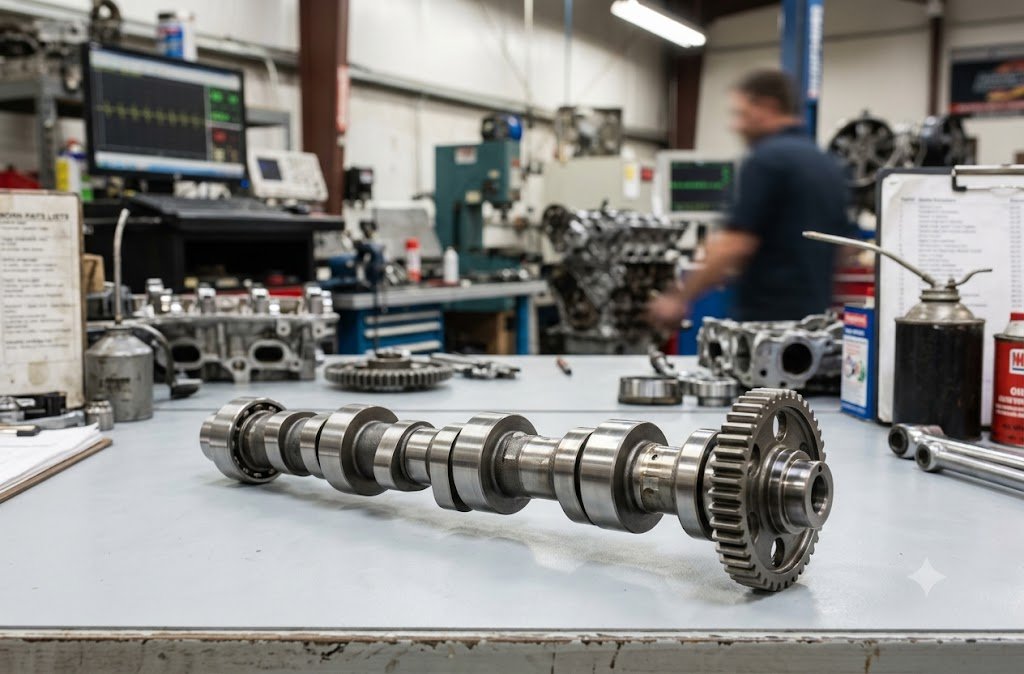
Used Camshaft – Alpha Salvage – +1 (626) 693-3601 – Quality Used Engines
A used camshaft can provide a practical replacement when an original camshaft develops excessive wear, physical damage, or other mechanical problems. Alpha Salvage helps customers search for replacement camshafts based on the vehicle, engine, and part requirements.
Depending on current U.S. salvage-yard inventory, available options can include used camshafts for gasoline and diesel engines, overhead camshaft designs, performance applications, and vehicle-specific engine configurations. Therefore, buyers should identify the exact engine before selecting a replacement camshaft.
Find the Right Used Camshaft
First, identify your vehicle's year, make, model, engine size, engine code, and VIN when available. This information helps narrow the search. In addition, it helps reduce the chance of ordering a camshaft with an incorrect profile, length, journal design, or timing configuration.
Compare Condition, Compatibility & Mileage
A donor vehicle's mileage can help you compare used camshafts. However, mileage alone does not determine the condition of the part. Instead, review the cam lobes, journals, gear or sprocket area, visible scoring, pitting, corrosion, and overall condition. Also, check the warranty and return terms before ordering.
Types of Used Camshafts
Modern and older engines use several camshaft designs. Consequently, the correct replacement depends on the engine architecture and valve-train configuration.
Overhead Camshafts
Overhead camshaft designs place the camshaft in or near the cylinder head. Depending on the engine, the design can use one or more camshafts to control intake and exhaust valve operation.
- Single overhead camshaft applications
- Dual overhead camshaft applications
- Gasoline engine applications
- Diesel engine applications
- Vehicle-specific camshaft profiles
Pushrod Engine Camshafts
Pushrod engines place the camshaft inside the engine block. The camshaft works with lifters, pushrods, and rocker arms to control valve movement.
- V6 applications
- V8 applications
- Older truck engines
- Classic vehicle applications
- Performance engine applications
Intake & Exhaust Camshafts
Some engines use separate camshafts for intake and exhaust valves. Therefore, buyers must identify which camshaft the engine requires before placing an order.
- Intake camshafts
- Exhaust camshafts
- Dual-cam engine applications
- Variable valve timing applications
- Engine-specific cam profiles
Variable Valve Timing Camshafts
Many modern engines use variable valve timing systems to adjust valve operation according to engine conditions. As a result, the camshaft must match the engine's timing system and related components.
- VVT applications
- VCT applications
- Variable cam timing systems
- Modern gasoline engines
- Modern diesel engines
Diesel Engine Camshafts
Diesel engines use camshafts to control valve operation according to their specific combustion and timing requirements. Furthermore, some diesel designs use the camshaft to operate additional engine components.
- Passenger vehicle diesel engines
- Light truck diesel engines
- Heavy-duty diesel applications
- Older diesel engines
- Modern turbo diesel engines
Performance Camshafts
Performance-oriented engines can use camshafts with specialized profiles. Therefore, a performance camshaft requires careful compatibility checks involving valve-train components and engine specifications.
- High-performance applications
- Modified engines
- Performance V6 engines
- Performance V8 engines
- Specialized cam profiles
What Does a Camshaft Do?
The camshaft controls the timing of the engine's intake and exhaust valves. As the camshaft rotates, its lobes move the valve-train components and open the valves at the required points in the engine cycle.
Meanwhile, the crankshaft and camshaft maintain a synchronized relationship through the engine's timing system. This synchronization allows the valves and pistons to work together during the intake, compression, power, and exhaust strokes.
Because valve timing directly affects engine operation, the correct camshaft profile matters. Therefore, buyers should match the replacement camshaft to the exact engine application rather than selecting a part based only on physical appearance.
Camshaft Components to Check
- Camshaft lobes
- Camshaft journals
- Timing gear or sprocket area
- Camshaft position components
- Valve-train contact surfaces
- Timing chain or belt compatibility
- Lifters and followers
- Rocker arms and related components
Common Signs of a Worn Camshaft
Camshaft wear can affect valve timing and engine performance. Therefore, drivers should investigate unusual engine behavior instead of assuming that the camshaft itself caused the problem.
Rough Engine Idle
A worn camshaft can affect valve movement and engine timing. Consequently, the engine may develop an unstable or rough idle when the valve train cannot maintain the intended operation.
Loss of Engine Power
Worn cam lobes can reduce the amount of valve movement. As a result, the engine may lose power, respond slowly, or struggle during acceleration.
Ticking or Tapping Noise
Abnormal valve-train noise can indicate wear involving the camshaft, lifters, rocker arms, or other components. Therefore, a professional inspection can help identify the actual source.
Engine Misfires
Incorrect valve operation can contribute to misfires. However, ignition, fuel, compression, and sensor problems can produce similar symptoms, so technicians should diagnose the complete system.
Poor Acceleration
When the camshaft cannot maintain the intended valve lift and timing, the engine may struggle under load. Consequently, acceleration can feel weaker than normal.
Visible Lobe Damage
During inspection, look for scoring, pitting, abnormal wear, discoloration, or damaged cam lobes. In addition, inspect the journals and related valve-train components.
How to Inspect a Used Camshaft
A visual inspection provides useful information, but it does not replace the manufacturer's specifications or professional measurement. Therefore, inspect the complete camshaft before installation.
1. Inspect the Cam Lobes
Check each lobe for scoring, pitting, flat spots, abnormal wear, or surface damage. Compare the lobes with the manufacturer's specifications whenever measurement data is available.
2. Check the Journals
Examine the bearing journals for scoring, discoloration, scratches, or excessive wear. Furthermore, confirm that the journals meet the required specifications.
3. Inspect the Timing Area
Examine the camshaft gear, sprocket, timing surface, and related components. In addition, check for damage that could affect timing alignment.
4. Check for Corrosion
Surface corrosion can affect a camshaft's contact surfaces. Therefore, inspect the part carefully before installation, especially when the donor vehicle has experienced long-term storage.
5. Compare the Cam Profile
A camshaft can look similar to another part while using a different profile. Consequently, compare the part number, engine code, application, and specifications before installation.
6. Inspect Related Parts
Check lifters, followers, rocker arms, bearings, timing components, and other related parts. Replacing only the camshaft may not solve a problem when another valve-train component caused the original wear.
Used Camshafts by Engine Type
Used 4-Cylinder Camshafts
Four-cylinder engines use a wide range of camshaft designs. Therefore, match the camshaft with the exact engine family, displacement, model year, and valve-train configuration.
Used V6 Camshafts
V6 engines can use single or multiple camshafts depending on their design. As a result, buyers should confirm the exact engine code and camshaft position before ordering.
Used V8 Camshafts
V8 engines use several camshaft configurations across manufacturers and generations. Consequently, physical appearance alone cannot confirm compatibility.
Used Diesel Camshafts
Diesel engines can place different demands on the valve train and timing system. Therefore, buyers should match the camshaft with the exact diesel engine application.
Used Turbo Engine Camshafts
Turbocharged engines can use specialized valve timing and cam profiles. For that reason, the correct camshaft should match the engine's original specifications.
Used Performance Camshafts
Performance applications require careful compatibility checks. In addition, valve springs, lifters, rocker arms, timing components, and piston clearance can affect the correct camshaft selection.
Popular Used Camshaft Searches
Customers search for used camshafts by vehicle make, model, engine family, displacement, fuel type, and engine code. Additionally, many buyers search for specific camshaft types and applications.
Search Used Camshafts by Vehicle & Engine
How to Choose the Right Used Camshaft
1. Check the VIN
Start with the vehicle VIN whenever possible. The VIN helps identify the original vehicle configuration and can make the parts search more precise.
2. Identify the Engine Code
Engine codes distinguish between similar engines. Therefore, provide the engine code when requesting a used camshaft.
3. Match the Part Number
Compare the available part number with the original camshaft specification. However, also confirm the application because similar part numbers can serve different engine configurations.
4. Check Camshaft Position
Some engines use separate intake and exhaust camshafts. In addition, engines with multiple camshafts may require a specific bank or position.
5. Review Condition
Examine the lobes, journals, timing area, and overall surface condition. Furthermore, ask about available inspection information before purchasing.
6. Review Warranty & Returns
Finally, review warranty, shipping, return, installation, and handling terms before ordering. These terms can vary according to the supplier and specific part.
Used Camshaft vs. New Camshaft
Why Consider a Used Camshaft?
A used camshaft can offer a practical option when a compatible replacement remains available from a salvage vehicle. Moreover, a used part may make sense when the engine needs a specific OEM component that can be difficult or expensive to source new.
- Potentially lower purchase cost
- Access to OEM components
- Useful for older vehicles
- Suitable for specific engine applications
- Supports automotive recycling
What Should You Compare?
Before choosing a used camshaft, compare the part's condition, application, part number, mileage information, inspection details, warranty, and return policy. Consequently, you can make a more informed purchasing decision.
- Exact engine compatibility
- Camshaft condition
- Lobe and journal condition
- Part number
- Warranty coverage
- Return requirements
More Used Engine Parts from Alpha Salvage
A camshaft works with several other engine components. Therefore, customers may also need additional used engine parts during a repair or rebuild.
Popular Used Engine Parts
Visual Guide: Used Camshaft Inspection

Used Camshaft Warranty, Shipping & Returns
Warranty
Warranty availability and terms can vary by the specific salvage-yard supplier. Therefore, review the warranty terms for the exact camshaft before installation.
Shipping
Alpha Salvage ships automotive parts across the USA. However, shipping charges can vary according to the part, destination, packaging requirements, and shipping method.
Returns
If a part arrives damaged or does not match the order, contact Alpha Salvage and provide clear information about the issue. Review the specific return requirements before sending the part back.
Frequently Asked Questions About Used Camshafts
Find answers to common questions about used camshafts, camshaft compatibility, engine applications, inspection, wear, mileage, warranties, shipping, and replacement parts.
What is a camshaft?
A camshaft controls the opening and closing of the engine's intake and exhaust valves. Its lobes move the valve-train components according to the engine's timing requirements. Therefore, the camshaft plays an important role in proper engine operation.
What does a camshaft do in an engine?
The camshaft controls valve timing and movement. As it rotates, its lobes operate the valve train and help the engine bring air into the cylinders and remove exhaust gases. Meanwhile, the timing system keeps the camshaft synchronized with the crankshaft.
Can I buy a used camshaft?
Yes. Depending on current inventory, salvage yards and automotive recyclers can offer used camshafts for many vehicle and engine applications. However, always confirm the exact engine and camshaft specification before purchasing.
Are used camshafts worth buying?
A used camshaft can make sense when the part matches the engine and shows acceptable condition. Furthermore, a used OEM camshaft can provide an option for vehicles where sourcing the correct replacement presents a challenge.
How do I find the correct used camshaft?
Start with the vehicle year, make, model, engine size, engine code, VIN, and original camshaft information. Then compare the part number, camshaft position, application, and condition before ordering.
Can I find a used camshaft by VIN?
Yes. VIN information can help narrow the vehicle's original configuration. Therefore, providing the VIN can make the used camshaft search more precise.
What are the signs of a bad camshaft?
Common signs can include rough engine operation, loss of power, misfires, unusual valve-train noise, and visible lobe wear. However, several other engine problems can produce similar symptoms, so a proper diagnosis remains important.
Can a worn camshaft cause engine misfires?
Yes. A worn camshaft can affect valve movement and timing, which can contribute to misfires. However, ignition, fuel, compression, and sensor issues can also cause misfires, so technicians should inspect the complete system.
What causes camshaft wear?
Friction, inadequate lubrication, contaminated oil, excessive valve-train wear, and other mechanical conditions can contribute to camshaft wear. Therefore, technicians should inspect related components when they find significant camshaft damage.
What should I check on a used camshaft?
Check the cam lobes, journals, timing gear or sprocket area, surface condition, corrosion, and visible damage. In addition, compare the part with the correct manufacturer specifications when measurement data is available.
Can I use a camshaft from another engine?
Not necessarily. Camshafts can differ in profile, dimensions, timing, lobe arrangement, journal design, and engine application. Consequently, physical similarity does not guarantee compatibility.
Do all engines use the same type of camshaft?
No. Engines can use different camshaft layouts and configurations. For example, some engines use a single camshaft, while others use separate intake and exhaust camshafts. Therefore, identify the exact engine before ordering.
What is an overhead camshaft?
An overhead camshaft sits in or near the cylinder head and directly controls the valve train. Depending on the engine, the design can use one or multiple camshafts.
What is a pushrod engine camshaft?
A pushrod engine places its camshaft inside the engine block. The camshaft operates lifters and pushrods, which then move the rocker arms and valves.
Can a used camshaft work with variable valve timing?
Yes, when the camshaft matches the specific variable valve timing system and engine application. However, the correct timing components and related hardware must also match the engine.
Should I replace lifters when replacing a camshaft?
The correct approach depends on the engine and the condition of the existing valve-train components. If the lifters or followers show related wear, replacing them may form part of the repair. Therefore, follow the vehicle manufacturer's service procedure.
How much does a used camshaft cost?
Used camshaft prices vary according to the vehicle, engine, part number, condition, availability, mileage information, warranty, and shipping. Therefore, the exact application matters when comparing prices.
Can Alpha Salvage ship used camshafts across the USA?
Alpha Salvage ships automotive parts across the USA. However, shipping costs and requirements can vary according to the part, destination, packaging, and shipping method.
Does a used camshaft come with a warranty?
Warranty availability depends on the specific part and salvage-yard supplier. Therefore, review the warranty coverage, exclusions, installation requirements, and claim process before purchasing.
Can I return a used camshaft?
Return eligibility depends on the supplier's terms and the condition of the part. Therefore, review the applicable return policy before ordering and keep the purchase documentation.
What information should I provide when requesting a used camshaft?
Provide the vehicle year, make, model, VIN, engine size, engine code, fuel type, transmission information, and original part number when available. Additionally, photos of the original component can help identify the correct application.
Can a camshaft affect engine performance?
Yes. The camshaft controls valve timing and movement, so incorrect timing or excessive lobe wear can affect engine performance. As a result, the engine may experience reduced power, rough operation, or other performance problems.
Can a damaged camshaft damage other engine parts?
Yes. Significant camshaft wear can affect related valve-train components. Therefore, technicians should inspect lifters, followers, rocker arms, bearings, and timing components when they find serious camshaft damage.
Is a used OEM camshaft better than an aftermarket camshaft?
The right choice depends on the application, condition, specifications, and intended use. A used OEM camshaft can provide a direct option for a specific factory engine configuration. However, buyers should still verify condition and compatibility before installation.
Can I buy used diesel camshafts?
Yes. Used diesel camshafts can be available for passenger vehicles, trucks, and other applications depending on current salvage-yard inventory. Nevertheless, buyers should match the camshaft to the exact diesel engine.
Can I buy used V6 and V8 camshafts?
Yes. Depending on inventory, used V6 and V8 camshafts can be available for different vehicle makes and engine generations. However, the engine code and camshaft specification remain important for compatibility.
What should I do before installing a used camshaft?
First, confirm the application and inspect the part. Next, compare the camshaft with the manufacturer's specifications and inspect related valve-train components. Finally, follow the correct installation and lubrication procedure for the engine.
Used Camshafts — Search by Vehicle, Engine & Part Number
Search used camshafts by vehicle make, model, model year, engine size, engine code, fuel type, part number, and application. Popular searches include used engine camshafts, used OEM camshafts, used intake camshafts, used exhaust camshafts, used V6 camshafts, used V8 camshafts, used diesel camshafts, used gasoline camshafts, used turbo camshafts, used VVT camshafts, and used performance camshafts.
Always confirm the exact camshaft application before ordering. Availability, condition, mileage information, warranty, and pricing can vary according to current U.S. salvage-yard inventory. Therefore, provide the vehicle year, model, VIN, engine code, and part number whenever possible to improve compatibility.