

Find your right Transmission parts
Over 120,000+ automotive and truck parts
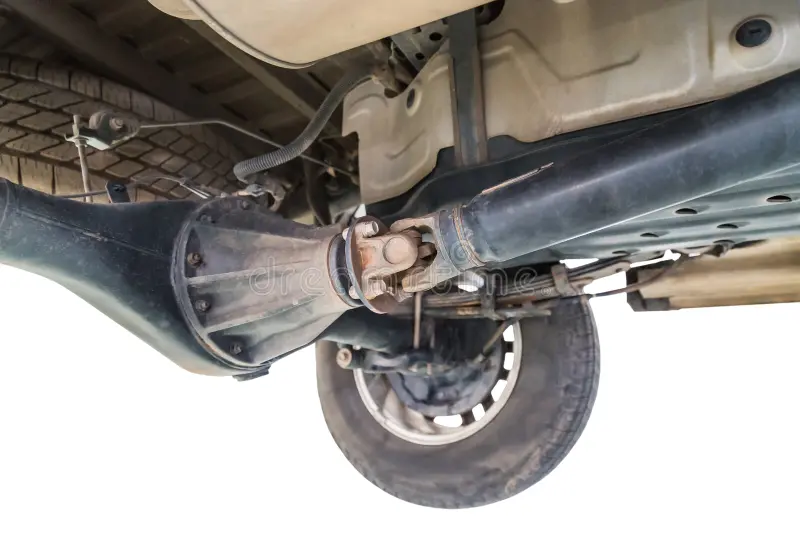
Used Driveshaft for Replacement
The driveshaft is an important drivetrain component that transfers rotational power from the transmission or transfer case toward the differential. As a result, it helps deliver engine torque to the driven wheels on vehicles that use a separate driveshaft.
Depending on the vehicle, a driveshaft may include a shaft tube, universal joints, slip yokes, flange yokes, CV joints, center support bearings, and other connection components. Therefore, its design can vary significantly between cars, trucks, SUVs, rear-wheel-drive vehicles, and four-wheel-drive applications.
Over time, driveshaft components can experience wear, impact damage, corrosion, imbalance, or joint problems. Consequently, replacing a damaged driveshaft with a properly matched used OEM unit can be a practical option for certain repairs.
What Is a Driveshaft?
A driveshaft is a rotating mechanical shaft that transfers torque and rotational movement between separated drivetrain components. In many rear-wheel-drive and four-wheel-drive vehicles, it connects the transmission or transfer case with a differential.
Torque Transfer
The primary purpose of a driveshaft is to transfer rotational torque through the drivetrain. Therefore, the shaft must be strong enough to handle the torque produced by the engine and managed by the transmission.
Power Connection
The driveshaft connects drivetrain components that are separated by distance. For example, on many rear-wheel-drive vehicles, it carries power from the transmission at the front of the vehicle toward the rear differential.
Movement Accommodation
The drivetrain can change position as the suspension moves and the vehicle travels over uneven surfaces. Consequently, universal joints, CV joints, slip yokes, or similar components help accommodate changes in angle and length.
Smooth Power Delivery
A properly balanced driveshaft helps transfer rotational power smoothly. Therefore, damage, excessive runout, worn joints, or other problems can contribute to vibration, noise, or drivetrain concerns.
RWD vs. AWD/4WD Driveshafts
Driveshaft configurations vary according to the vehicle's drivetrain layout. Therefore, identifying whether the vehicle uses rear-wheel drive, all-wheel drive, or four-wheel drive is an important step when searching for a replacement.
Used RWD Driveshaft
Rear-wheel-drive vehicles commonly use a driveshaft to transfer torque from the transmission to the rear differential. Depending on the vehicle, the shaft may use a slip yoke, flange connection, universal joints, or a center support bearing.
- Rear-wheel-drive application
- Transmission-to-differential connection
- Universal joints where applicable
- Slip yoke or flange connection
- Vehicle-specific shaft length
- Model-specific mounting configuration
Used AWD/4WD Driveshaft
All-wheel-drive and four-wheel-drive vehicles can use additional driveshafts to transfer power between the transfer case, differentials, and axles. Consequently, the front and rear shafts may have different lengths, joints, and connection designs.
- AWD or 4WD application
- Front or rear driveshaft configuration
- Transfer-case compatibility
- U-joints or CV joints where applicable
- Vehicle-specific length
- Correct flange and yoke configuration
Types of Used Driveshafts
Because manufacturers use different drivetrain layouts and shaft designs, used driveshafts are available in several configurations. Therefore, the correct replacement must be matched to the vehicle application.
Used Rear Driveshaft
A rear driveshaft commonly transfers power toward the rear differential. It is frequently found on rear-wheel-drive, four-wheel-drive, and some all-wheel-drive vehicles.
Used Front Driveshaft
Some four-wheel-drive and all-wheel-drive vehicles use a front driveshaft to transfer power from the transfer case or drivetrain assembly toward the front differential.
Used Two-Piece Driveshaft
Longer vehicles can use a two-piece driveshaft with a center support bearing. Consequently, the design helps support the rotating shaft across a longer distance.
Used Aluminum Driveshaft
Some vehicles use aluminum driveshafts because of their specific weight, strength, and drivetrain design requirements. However, the replacement must match the original application and connection configuration.
Used Steel Driveshaft
Steel driveshafts are widely used across cars, trucks, and SUVs. Therefore, checking the shaft diameter, length, joints, yokes, flanges, and vehicle application remains important.
Used OEM Driveshaft
A used OEM driveshaft comes from an original-equipment vehicle application. As a result, matching the OEM part number and drivetrain specifications can help improve replacement compatibility.
Signs You May Need a Used Driveshaft
A driveshaft problem can produce noticeable drivetrain symptoms. However, similar symptoms may also originate from universal joints, differentials, axles, transmission components, or other drivetrain parts.
Common Driveshaft Problems
- Vibration while driving
- Clunking during acceleration or deceleration
- Unusual drivetrain noises
- Visible shaft damage
- Worn universal joints
- Damaged slip yoke
- Excessive driveline play
- Corrosion or impact damage
Additional Warning Signs
- Shudder during acceleration
- Grinding or clicking sounds
- Loose or damaged flange connections
- Center support bearing noise
- Damaged CV joint where applicable
- Visible dents in the shaft tube
- Grease leakage from applicable joints
- Abnormal drivetrain movement
How a Driveshaft Works
Although driveshaft designs differ between vehicles, the basic operating principle remains similar. The shaft transfers rotational power while accommodating changes in drivetrain alignment and movement.
Engine Produces Power
The engine generates rotational power, which is then managed by the transmission. Consequently, the transmission provides the appropriate torque and speed for the selected driving condition.
Transmission Transfers Rotation
The transmission sends rotational movement toward the drivetrain output. In four-wheel-drive or certain all-wheel-drive systems, the transfer case can distribute power to different drivetrain paths.
Driveshaft Carries Torque
The driveshaft rotates and transfers torque toward the differential or another drivetrain component. Therefore, its construction must accommodate high rotational speed and torque.
Differential Sends Power to the Wheels
The differential receives rotational power and distributes it through the axle shafts toward the driven wheels. As a result, the complete drivetrain can convert engine power into vehicle movement.
How to Inspect a Used Driveshaft
Before purchasing a used driveshaft, inspect its physical condition and confirm the important fitment specifications. A careful inspection can help identify damage that may affect installation, balance, or operation.
Mechanical Inspection
- Check the shaft tube for dents
- Inspect the shaft for bending
- Check universal joints for excessive play
- Inspect slip yoke splines
- Check flange yokes for damage
- Inspect CV joints where applicable
- Check the center support bearing
- Look for corrosion or impact damage
Fitment Inspection
- Confirm overall shaft length
- Check shaft diameter
- Verify transmission connection
- Confirm differential connection
- Compare flange bolt patterns
- Verify yoke configuration
- Check U-joint specifications
- Compare the original part number

Before You Buy a Used Driveshaft
The most important part of buying a used driveshaft is confirming that the replacement matches the original drivetrain application. Therefore, use the following process before ordering.
Identify the Vehicle
Record the vehicle year, make, model, trim, engine, drivetrain type, and transmission. This information provides the foundation for an accurate driveshaft search.
Check the VIN
Whenever possible, provide the complete 17-digit VIN. A VIN can help identify the exact vehicle configuration and reduce the risk of ordering an incompatible driveshaft.
Compare the Part Number
If the original driveshaft has an OEM or manufacturer part number, compare it with the replacement listing. Additionally, compare the shaft length, joints, yokes, flanges, and physical design.
Confirm Drivetrain Type
Confirm whether the vehicle is front-wheel drive, rear-wheel drive, all-wheel drive, or four-wheel drive. Consequently, you can identify whether the vehicle requires a front, rear, or specific drivetrain shaft.
Review Condition and Warranty
Finally, review the shaft condition, mileage information where available, testing details, warranty coverage, shipping terms, and return requirements. These details can vary according to the specific used driveshaft.
Popular Used Driveshaft Searches
Customers search for used driveshafts using vehicle information, drivetrain type, shaft position, part numbers, and specific configurations. Additionally, searches can include used rear driveshafts, front driveshafts, propeller shafts, prop shafts, two-piece driveshafts, OEM driveshafts, and replacement drivetrain shafts.
More Used Transmission Parts
A driveshaft works together with several drivetrain and transmission-related components. Therefore, customers may also need additional parts when diagnosing or repairing a drivetrain problem.
Used Transfer Case
A transfer case distributes power to the front and rear drivetrains on many four-wheel-drive and all-wheel-drive applications. Consequently, its compatibility with the driveshaft is important.
Used Transmission
The transmission manages engine power before it reaches the rest of the drivetrain. Therefore, transmission output configuration should be considered when selecting a compatible driveshaft.
Used Differential
The differential receives rotational power from the driveshaft and distributes it toward the axle shafts. As a result, the driveshaft connection must match the differential configuration.
Used Universal Joint
Universal joints allow a driveshaft to transmit power while accommodating changes in drivetrain angle. Therefore, worn U-joints can contribute to vibration, noise, and driveline play.
Used Center Support Bearing
Two-piece driveshafts can use a center support bearing to stabilize the shaft. Consequently, a worn bearing may create vibration or noise during vehicle operation.
Used Transmission Components
Alpha Salvage also helps customers search for other used transmission and drivetrain components according to vehicle specifications and available salvage-yard inventory.
Used Driveshaft Warranty, Shipping & Returns
Warranty
Warranty availability and terms can vary according to the specific used driveshaft and supplier. Therefore, review the warranty coverage before installation. In addition, check applicable exclusions and installation requirements.
Shipping
Alpha Salvage ships automotive parts across the USA. However, shipping requirements can vary according to the size, weight, length, destination, and packaging requirements of the driveshaft.
Returns
If a driveshaft arrives damaged or does not match the ordered application, contact the supplier according to the applicable return policy. Additionally, keep shipping documentation and photographs when receiving the part.
Find a Used Driveshaft That Fits Your Vehicle
Looking for a used driveshaft for your car, truck, SUV, or crossover? Alpha Salvage helps customers search for used OEM driveshafts, rear driveshafts, front driveshafts, propeller shafts, prop shafts, two-piece driveshafts, and related drivetrain parts. Therefore, provide your vehicle year, make, model, drivetrain type, VIN, or original part number whenever available to improve compatibility.
Whether you need a replacement rear driveshaft, front driveshaft, AWD driveshaft, 4WD driveshaft, propeller shaft, or OEM driveshaft assembly, accurate vehicle information is essential. Furthermore, compare shaft length, diameter, yoke configuration, flange pattern, U-joints, center bearing, condition, warranty, and return requirements before ordering.
Frequently Asked Questions About Used Driveshafts
Find answers to common questions about used driveshafts, propeller shafts, rear driveshafts, front driveshafts, U-joints, compatibility, inspection, warranties, shipping, and replacement options.
What is a driveshaft?
A driveshaft is a rotating mechanical component that transfers torque and rotational power between drivetrain components. In many rear-wheel-drive and four-wheel-drive vehicles, it connects the transmission or transfer case to a differential.
What does a driveshaft do?
A driveshaft transfers rotational power through the drivetrain. Therefore, it allows separated drivetrain components to transmit torque while accommodating changes in alignment, angle, and movement.
What is another name for a driveshaft?
A driveshaft can also be called a drive shaft, propeller shaft, prop shaft, or propshaft. However, terminology can vary by manufacturer, vehicle type, and region.
Are used driveshafts worth buying?
A used driveshaft can be a practical replacement when it is correctly matched to the vehicle and has suitable condition and warranty information. Therefore, compare fitment, physical condition, part numbers, and warranty coverage before ordering.
What are the signs of a bad driveshaft?
Common signs can include vibration, clunking, unusual drivetrain noises, shuddering during acceleration, excessive driveline play, or visible shaft damage. However, similar symptoms can also come from U-joints, differentials, axles, or other drivetrain components.
Why does my vehicle vibrate while driving?
A driveshaft can contribute to vibration if it is bent, damaged, out of balance, or affected by worn joints or support components. Therefore, the complete drivetrain should be inspected before replacing the driveshaft.
Can a bad U-joint cause driveshaft problems?
Yes. A worn or damaged universal joint can create excessive play, vibration, or clunking. Consequently, U-joints should be inspected when diagnosing driveshaft-related symptoms.
Can a bent driveshaft be repaired?
Repair options depend on the type and severity of damage. However, because driveshaft balance and structural integrity are important, a qualified technician should determine whether repair or replacement is appropriate.
Can I buy a used rear driveshaft?
Yes. Used rear driveshafts are available for many cars, trucks, SUVs, and other vehicle applications. Therefore, match the shaft to the exact drivetrain, transmission, differential, length, connection style, and part number.
Can I buy a used front driveshaft?
Yes. Used front driveshafts are available for many AWD and 4WD vehicles. However, front shafts can differ significantly in length, joints, flange design, and transfer-case configuration.
Are front and rear driveshafts interchangeable?
Generally, no. Front and rear driveshafts can have different lengths, connections, joint configurations, and drivetrain applications. Therefore, always confirm the exact shaft position before purchasing.
What is a two-piece driveshaft?
A two-piece driveshaft uses two shaft sections connected through an intermediate support system. Typically, a center support bearing helps stabilize the rotating assembly, especially on longer vehicle applications.
What is a propeller shaft?
A propeller shaft is another common name for a driveshaft. It transfers rotational power between drivetrain components, particularly in vehicle layouts where the transmission and differential are separated.
What is a slip yoke?
A slip yoke is a splined connection that can allow controlled changes in driveshaft length as the drivetrain moves. Therefore, it can help accommodate suspension movement and changes in driveline geometry.
What is a universal joint on a driveshaft?
A universal joint, or U-joint, allows a driveshaft to transmit rotational power while operating at an angle. Consequently, it helps accommodate changes in drivetrain alignment during vehicle operation.
What is a center support bearing?
A center support bearing supports the middle portion of a two-piece driveshaft. Therefore, a worn bearing can contribute to vibration, noise, or excessive movement in the driveshaft assembly.
How do I find the right used driveshaft?
Start with the vehicle year, make, model, trim, engine, drivetrain, and transmission type. Next, provide the VIN and original part number when available. Finally, compare shaft length, connections, joints, and physical design.
Can I buy a used driveshaft by VIN?
Yes. Providing the complete 17-digit VIN can make the search more precise because drivetrain configurations can vary by year, model, engine, transmission, wheelbase, and trim.
Should I check the driveshaft part number before buying?
Yes. The OEM or manufacturer part number provides an important compatibility reference. However, part-number matching should also be supported by vehicle specifications and physical comparison.
How do I inspect a used driveshaft?
Inspect the shaft tube, yokes, universal joints, slip yoke, flanges, splines, center support bearing, and visible mounting points. Additionally, look for bends, dents, cracks, corrosion, excessive play, and other signs of damage.
What should I check on a used driveshaft?
Check the overall length, diameter, shaft condition, U-joint configuration, yoke style, flange pattern, splines, center bearing where applicable, and vehicle compatibility. Therefore, physical comparison is important before installation.
Can a used driveshaft come with U-joints?
Some driveshaft assemblies may include the installed U-joints, while others can vary according to the listing. Therefore, never assume that individual components are included. Confirm the exact contents before purchasing.
Can a used driveshaft come with a center support bearing?
Some two-piece driveshaft assemblies may include the center support bearing, while others may not. Therefore, verify the listing details and compare the original assembly before ordering.
How much does a used driveshaft cost?
The price varies according to the vehicle, shaft type, drivetrain configuration, condition, mileage, material, availability, part number, warranty, and shipping. Therefore, compare pricing together with fitment and condition.
Is a used OEM driveshaft better than an aftermarket driveshaft?
A used OEM driveshaft can be attractive when factory fitment is important. However, condition and compatibility remain essential. Therefore, compare the OEM part number, shaft specifications, physical condition, warranty, and application.
Can a driveshaft affect transmission performance?
A damaged driveshaft can affect overall drivetrain operation and may produce symptoms that appear during acceleration or gear changes. However, a driveshaft does not perform the same function as the transmission, so proper diagnosis is important.
Can a bad driveshaft cause clunking?
Yes. Worn U-joints, excessive driveline play, damaged connections, or other driveshaft problems can contribute to clunking sounds. Nevertheless, differential and transmission components can also produce similar noises.
Can a driveshaft cause a grinding noise?
A damaged joint, bearing, connection, or other drivetrain component can contribute to grinding or unusual mechanical noise. Therefore, the complete drivetrain should be inspected to identify the actual source.
Can I replace only the U-joint instead of the driveshaft?
In some applications, individual U-joints can be replaced when the driveshaft itself remains structurally sound. Therefore, inspect the complete assembly before deciding whether the entire driveshaft needs replacement.
Does a driveshaft need to be balanced?
Yes. Because a driveshaft rotates at high speed, proper balance is important for smooth operation. Consequently, an improperly balanced or damaged shaft can contribute to vibration and accelerated component wear.
Can a used driveshaft be installed in any vehicle?
No. Driveshafts are highly application-specific components. Therefore, the shaft must match the vehicle's drivetrain layout, length, joints, yokes, flanges, transmission, differential, and other relevant specifications.
Can Alpha Salvage help find a used driveshaft?
Yes. Alpha Salvage helps customers search for used automotive parts through its salvage-yard network. Provide the vehicle year, make, model, drivetrain type, VIN, or original part number whenever possible to improve the search.
Does Alpha Salvage ship used driveshafts across the USA?
Alpha Salvage ships automotive parts across the USA. However, shipping requirements and charges can vary according to the specific driveshaft, destination, dimensions, weight, and packaging requirements.
What should I do if my used driveshaft arrives damaged?
Document the condition of the package and driveshaft as soon as possible. Take clear photographs and contact the supplier according to the applicable warranty or return policy. Additionally, keep the shipping documentation for reference.
Should I replace the driveshaft or the complete drivetrain?
The correct repair depends on the diagnosed failure. If the problem is limited to the driveshaft, U-joint, support bearing, or related connection, replacing the complete drivetrain may not be necessary. Therefore, obtain an accurate diagnosis before purchasing a major component.
What information should I provide when searching for a used driveshaft?
Provide the vehicle year, make, model, trim, engine, transmission, drivetrain type, VIN, and original part number when available. Additionally, photographs of the original driveshaft and its connections can help confirm the correct configuration.