

Find your right Engine part
Over 120,000+ automotive and truck parts
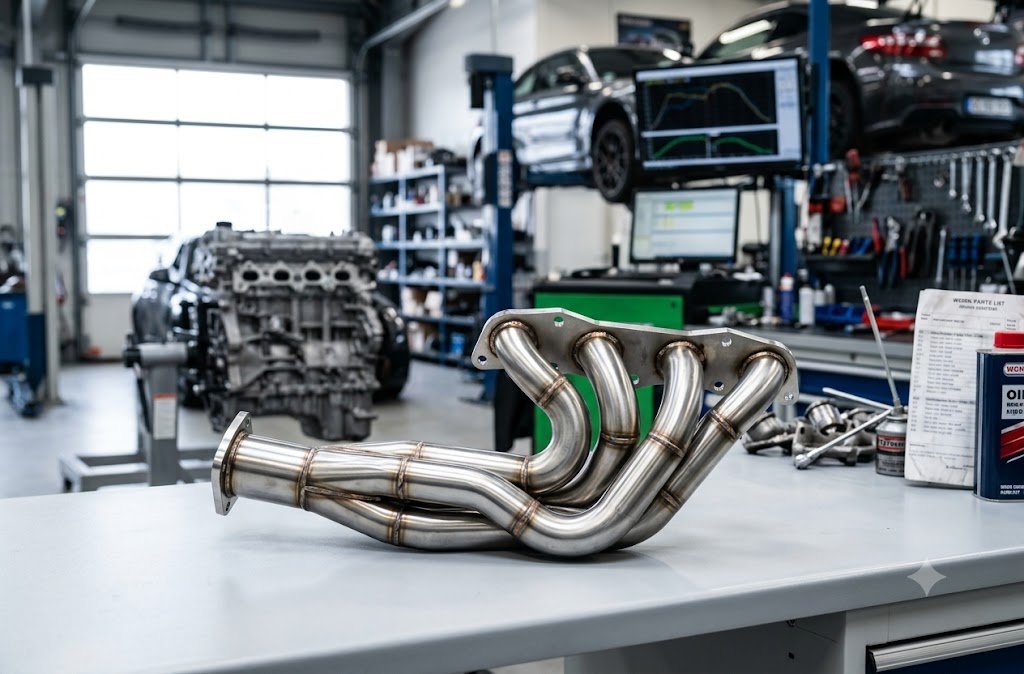
Used Exhaust Manifold – Alpha Salvage – +1 (626) 693-3601 – Quality Used Engines
A used exhaust manifold can provide a practical replacement when the original manifold develops a crack, warps from repeated heat cycles, or no longer seals correctly. Alpha Salvage helps customers search for used exhaust manifolds based on the exact vehicle, engine, model year, and part requirements.
An exhaust manifold collects exhaust gases from the engine cylinders and directs them toward the rest of the exhaust system. Therefore, the manifold plays an important role in proper exhaust flow and engine operation.
Depending on current U.S. salvage-yard inventory, available options may include used OEM exhaust manifolds, gasoline exhaust manifolds, diesel exhaust manifolds, turbocharged applications, V6 manifolds, V8 manifolds, and vehicle-specific manifold assemblies.
Find the Right Used Exhaust Manifold
First, identify your vehicle's year, make, model, engine size, engine code, and drivetrain. In addition, check the original manifold's part number whenever possible. This information can narrow the search and reduce the risk of choosing an incompatible replacement.
Compare Condition, Fitment and Part Numbers
When you compare used exhaust manifolds, look beyond price alone. Instead, review the manifold's physical condition, mounting surface, cracks, corrosion, studs, included components, part number, warranty, shipping, and return requirements.
What Is an Exhaust Manifold?
The exhaust manifold connects the engine's cylinder head to the exhaust system. It collects exhaust gases from individual cylinders and sends those gases toward the exhaust pipe, catalytic converter, turbocharger, or related exhaust components.
Most vehicles use a single manifold on an inline engine. However, V-type engines commonly use separate manifolds for each cylinder bank. As a result, the correct manifold depends on both the engine design and vehicle configuration.
Furthermore, some vehicles integrate additional components with the manifold assembly. These components can include oxygen sensors, heat shields, catalytic converters, or turbocharger connections, depending on the application.
Common Exhaust Manifold Materials
- Cast iron exhaust manifolds
- Tubular steel manifolds
- Stainless steel applications
- Turbocharged manifold assemblies
- Integrated catalytic converter assemblies
- Vehicle-specific OEM manifolds
Because exhaust manifolds operate under high temperatures, heat cycles and corrosion can affect their condition over time.
Types of Used Exhaust Manifolds
Used exhaust manifolds vary according to engine design, fuel type, cylinder layout, and vehicle application. Therefore, identifying the correct type can make the replacement process easier.
Cast Iron Exhaust Manifolds
Cast iron manifolds appear on many passenger vehicles, trucks, SUVs, and older vehicles. They can provide durable service, although repeated heat cycles may eventually cause cracks or warping.
Tubular Exhaust Manifolds
Tubular designs use individual tubes that connect the cylinders to the exhaust outlet. These manifolds appear on various performance and specialty applications.
V6 Exhaust Manifolds
V6 engines commonly use separate exhaust manifolds for the two cylinder banks. Consequently, the left and right manifolds may have different shapes and part numbers.
V8 Exhaust Manifolds
V8 applications typically use a manifold for each cylinder bank. Therefore, always confirm whether you need the driver-side or passenger-side manifold.
Turbocharged Exhaust Manifolds
Turbocharged engines use exhaust energy to drive the turbocharger. As a result, the manifold must match the turbocharger arrangement and engine configuration.
Diesel Exhaust Manifolds
Diesel engines use application-specific exhaust manifolds that can differ from gasoline designs. Therefore, match the replacement to the exact diesel engine and vehicle.
Why Replace a Damaged Exhaust Manifold?
A damaged exhaust manifold can create an exhaust leak and affect vehicle operation. Therefore, replacing a cracked or severely warped manifold can help restore the exhaust system's proper connection.
Exhaust Leaks
A crack or poor seal can allow exhaust gases to escape before they reach the rest of the exhaust system. Consequently, the vehicle may develop unusual sounds or exhaust odors.
Ticking or Rattling Sounds
A leaking manifold can create a ticking or tapping sound, especially during a cold start. However, other engine and exhaust components can produce similar noises, so proper diagnosis matters.
Reduced Engine Performance
Exhaust leaks can affect sensor readings and engine operation on some vehicles. As a result, drivers may notice changes in performance, fuel economy, or drivability.
Visible Cracks
Thermal stress can create cracks around runners, collectors, welds, or mounting areas. Therefore, inspect the complete manifold instead of checking only one section.
Warped Mounting Flange
Repeated heat cycles can distort the sealing surface. Consequently, a warped flange may prevent the manifold from forming a proper seal against the cylinder head.
Exhaust Odor
An exhaust leak near the engine can create an unusual smell in the engine compartment. Therefore, address suspected exhaust leaks promptly.
How to Inspect a Used Exhaust Manifold
A careful inspection helps you identify a suitable used exhaust manifold before installation. In particular, focus on cracks, warping, corrosion, mounting points, and part-number compatibility.
1. Inspect for Cracks
Examine the runners, collector, mounting flange, weld areas, and other high-heat sections. Additionally, look for black soot marks that can indicate a previous exhaust leak.
2. Check the Mounting Flange
Inspect the cylinder-head mounting surface for distortion. A significantly warped flange may prevent a proper seal and can create another exhaust leak after installation.
3. Inspect Studs and Bolt Holes
Check the mounting studs, threaded holes, and flange connections. Broken or heavily corroded fasteners can make installation more difficult.
4. Check Corrosion
Surface rust can appear on many used exhaust components. Nevertheless, deep corrosion, weakened metal, or damaged mounting areas can make a manifold unsuitable.
5. Verify the Part Number
Compare the OEM part number with your vehicle requirements. Moreover, confirm the engine size, model year, side of the engine, and vehicle configuration.
6. Confirm Included Components
Check whether the listing includes heat shields, sensors, studs, brackets, catalytic components, or other attached parts. The included components can vary between listings.
Used OEM Exhaust Manifolds
A used OEM exhaust manifold can offer a practical replacement option when you need the original vehicle-specific design. OEM manifolds generally follow the mounting dimensions and exhaust layout designed for the original engine application.
However, OEM status alone does not guarantee the condition of a used manifold. Therefore, inspect the part for cracks, warping, corrosion, damaged studs, and other physical problems before installation.
Used Exhaust Manifolds by Vehicle Type
Exhaust manifolds vary across cars, trucks, SUVs, and performance vehicles. Therefore, vehicle information remains important when searching for the correct used replacement.
Used Car Exhaust Manifolds
Passenger cars use many different exhaust manifold designs. Consequently, match the manifold to the exact engine and model year rather than selecting one only by vehicle name.
Used Truck Exhaust Manifolds
Trucks can use heavy-duty exhaust manifolds designed for specific gasoline and diesel engines. Therefore, engine size and cylinder configuration matter when selecting a replacement.
Used SUV Exhaust Manifolds
SUVs can use inline, V6, V8, turbocharged, and diesel engine configurations. As a result, the correct manifold can vary considerably between models and generations.
Used Performance Exhaust Manifolds
Performance vehicles can use specialized manifold designs that work with specific engine and turbocharger configurations. Therefore, verify the application before ordering.
Used Diesel Exhaust Manifolds
Diesel exhaust manifolds can differ in mounting, emissions equipment, and turbocharger connections. Consequently, verify the complete engine specification before purchase.
Used Turbo Exhaust Manifolds
Turbocharged applications require precise manifold and turbocharger compatibility. Therefore, confirm the turbo location, mounting pattern, and engine configuration.
Popular Used Exhaust Manifold Searches
Customers search for exhaust manifolds using different vehicle and engine details. Additionally, many buyers search by side, engine configuration, OEM part number, and fuel type.
How to Choose the Right Used Exhaust Manifold
1. Identify Your Vehicle
Start with the vehicle year, make, model, trim, and engine size. These details help narrow the available exhaust manifold applications.
2. Check the Engine Code
Next, identify the engine code when possible. Different engines within the same vehicle model can use different exhaust manifolds.
3. Check the Part Number
Compare the original manifold's OEM part number with the replacement listing. This step provides another useful compatibility check.
4. Confirm the Side
V6 and V8 engines may use separate manifolds for each cylinder bank. Therefore, confirm whether you need the left, right, driver-side, or passenger-side part.
5. Review Condition
Check cracks, warping, corrosion, mounting holes, studs, and other visible damage. In addition, ask about any testing or inspection information available for the part.
6. Review Warranty
Finally, review the warranty, shipping, return, and installation requirements before ordering. These terms can vary depending on the supplier and specific part.
Common Exhaust Manifold Problems
Cracked Manifold
Repeated heating and cooling can place stress on the manifold. Over time, this stress can create cracks around runners, collectors, or mounting areas.
Warped Manifold
Excessive heat can distort the manifold or its sealing flange. Consequently, the manifold may no longer sit correctly against the cylinder head.
Broken Studs
Corrosion and repeated thermal cycles can make exhaust fasteners difficult to remove. Therefore, broken studs can complicate manifold replacement.
Corrosion
Moisture, road salt, and age can contribute to corrosion. However, surface rust does not always mean the manifold has failed, so inspect the actual metal condition carefully.
Failed Gasket
A damaged manifold gasket can also create an exhaust leak. Therefore, inspect both the manifold and sealing surfaces before assuming that the manifold itself needs replacement.
Damaged Flange
A damaged mounting or outlet flange can prevent the exhaust system from sealing correctly. Consequently, inspect the flange carefully before installation.
Used Gasoline & Diesel Exhaust Manifolds
Used Gasoline Exhaust Manifolds
Gasoline vehicles use many exhaust manifold designs across four-cylinder, V6, V8, turbocharged, and other engine configurations. Therefore, match the replacement to the exact engine and vehicle application.
Used Diesel Exhaust Manifolds
Diesel exhaust manifolds can include additional design considerations related to turbocharging and emissions equipment. Consequently, confirm the engine code and turbocharger arrangement before purchasing.
More Used Engine & Exhaust Parts
Alpha Salvage also helps customers search for other used automotive parts. Therefore, you can look beyond exhaust manifolds when completing an engine or exhaust repair.
Visual Guide: Used Exhaust Manifold Inspection

Used Exhaust Manifold Warranty, Shipping & Returns
Warranty
Warranty availability and coverage can vary by the specific salvage-yard supplier. Therefore, review the warranty terms for the exact exhaust manifold before installation.
Shipping
Alpha Salvage ships automotive parts across the USA. However, shipping costs can vary according to the part, destination, size, weight, and shipping requirements.
Returns
If the part arrives damaged, document the condition with clear photographs and contact the supplier. Return requests should follow the applicable return policy and stated time limits.
Frequently Asked Questions About Used Exhaust Manifolds
Find answers to common questions about used exhaust manifolds, OEM replacements, compatibility, cracks, leaks, inspection, vehicle applications, warranty, shipping, and returns.
What is an exhaust manifold?
An exhaust manifold collects exhaust gases from the engine cylinders and directs them toward the vehicle's exhaust system. Therefore, it connects the engine's cylinder head with the downstream exhaust components.
Where can I buy a used exhaust manifold?
You can search for used exhaust manifolds through automotive recyclers, salvage yards, used auto-parts suppliers, and online parts marketplaces. Additionally, Alpha Salvage helps customers search based on vehicle and part requirements.
Are used exhaust manifolds worth buying?
A used exhaust manifold can provide a practical replacement when it matches the vehicle correctly and has good physical condition. However, inspect the part for cracks, warping, corrosion, and damaged mounting points before purchase.
Can I buy a used OEM exhaust manifold?
Yes, depending on current inventory. Used OEM exhaust manifolds can offer the original vehicle-specific design, but you should still verify the condition and compatibility before ordering.
What causes an exhaust manifold to crack?
Repeated heat cycles can cause the metal to expand and contract. Over time, this thermal stress can contribute to cracks, especially around high-temperature and highly restrained areas.
What are the signs of a cracked exhaust manifold?
Common signs can include ticking noises, exhaust odors, visible cracks, soot marks, reduced performance, and an exhaust leak. However, similar symptoms can come from other exhaust components, so proper diagnosis remains important.
Can a warped exhaust manifold cause an exhaust leak?
Yes. A significantly warped mounting surface may prevent the manifold from sealing correctly against the cylinder head. Consequently, exhaust gases can escape through the resulting gap.
How do I inspect a used exhaust manifold?
First, inspect the runners, collector, flange, welds, studs, and bolt holes for damage. Next, check for corrosion and signs of soot. Finally, verify the part number and vehicle compatibility.
How do I know if an exhaust manifold is warped?
A technician can inspect the mounting surface with a suitable straightedge and measurement method. If the surface shows significant distortion, the manifold may not create a reliable seal.
Do V6 engines have more than one exhaust manifold?
Many V6 engines use separate manifolds for each cylinder bank. Therefore, the left and right manifolds can have different designs and part numbers.
Do V8 engines have two exhaust manifolds?
Many V8 engines use one exhaust manifold for each cylinder bank. Consequently, buyers should confirm which side they need before ordering.
Can I buy a used diesel exhaust manifold?
Yes, depending on current inventory. Diesel exhaust manifolds can differ from gasoline applications, so match the replacement to the exact engine, vehicle, and turbocharger configuration.
Can I buy a used turbo exhaust manifold?
Yes, depending on the application and available inventory. However, turbocharged engines require accurate matching because the manifold connects directly with the turbocharger arrangement.
Does the exhaust manifold need to match the engine?
Yes. The manifold should match the engine's configuration, cylinder layout, mounting pattern, exhaust outlet, and related components. Therefore, engine identification is essential.
Can I use an exhaust manifold from another year?
Sometimes, but compatibility depends on the specific vehicle and engine. Therefore, do not assume that two model years use the same manifold simply because the vehicle name remains the same.
What information should I provide when searching for a used exhaust manifold?
Provide the vehicle year, make, model, engine size, engine code, VIN, drivetrain, and OEM part number when available. In addition, provide the side of the engine if the vehicle uses separate left and right manifolds.
Should I check the OEM part number before buying?
Yes. The OEM part number provides an additional compatibility check. However, also confirm the vehicle and engine application because part numbers can vary across model years and configurations.
Can an exhaust manifold leak cause poor engine performance?
An exhaust leak can affect engine operation on some vehicles, particularly when the leak changes oxygen-sensor readings. As a result, the vehicle may experience performance or fuel-economy changes.
Can an exhaust manifold leak cause a check engine light?
It can on some vehicles because an exhaust leak may influence oxygen-sensor readings. However, several other conditions can trigger a check engine light, so diagnostic testing can help identify the actual cause.
Should I replace the exhaust manifold gasket with a used manifold?
A new gasket is commonly considered during manifold installation because the gasket creates the seal between mating surfaces. Therefore, follow the vehicle manufacturer's installation requirements and use the correct gasket.
What should I check before installing a used exhaust manifold?
Check the manifold for cracks, warping, corrosion, damaged studs, damaged flanges, and incorrect mounting points. Additionally, verify the part number and confirm that all required components match your vehicle.
How much does a used exhaust manifold cost?
Prices vary according to the vehicle, engine, manifold design, condition, availability, warranty, and supplier. Furthermore, shipping and installation can affect the overall replacement cost.
Does Alpha Salvage ship used exhaust manifolds across the USA?
Alpha Salvage ships automotive parts across the USA. However, shipping charges and delivery requirements can vary depending on the part and destination.
What should I do if my used exhaust manifold arrives damaged?
First, document the damage with clear photographs. Then, contact the applicable supplier and follow the return or warranty process for the specific order.
Are used exhaust manifolds available for trucks and SUVs?
Yes, depending on current salvage-yard inventory. Used exhaust manifolds can cover passenger cars, trucks, SUVs, diesel vehicles, and performance applications.
Can I find a used exhaust manifold by VIN?
Yes. A VIN can help narrow the vehicle configuration and improve the accuracy of a parts search. Therefore, provide the VIN whenever it is available.
Is mileage important when buying a used exhaust manifold?
Mileage can provide useful background information. Nevertheless, physical condition often matters more for an exhaust manifold because heat cycles, corrosion, cracks, and warping directly affect the part.
Used Exhaust Manifold — Search by Vehicle, Engine & Part Number
Search used exhaust manifolds by vehicle make, model, model year, engine size, engine code, cylinder configuration, fuel type, side, and OEM part number. Popular searches include used OEM exhaust manifolds, used gasoline exhaust manifolds, used diesel exhaust manifolds, used V6 exhaust manifolds, used V8 exhaust manifolds, used truck exhaust manifolds, used SUV exhaust manifolds, and used turbo exhaust manifolds.
Always confirm the exact exhaust manifold application before ordering. Availability, mileage, condition, warranty, and pricing can vary according to current U.S. salvage-yard inventory. Therefore, provide the vehicle year, make, model, VIN, engine information, and original part number whenever possible.