

Find your right Engine part
Over 120,000+ automotive and truck parts
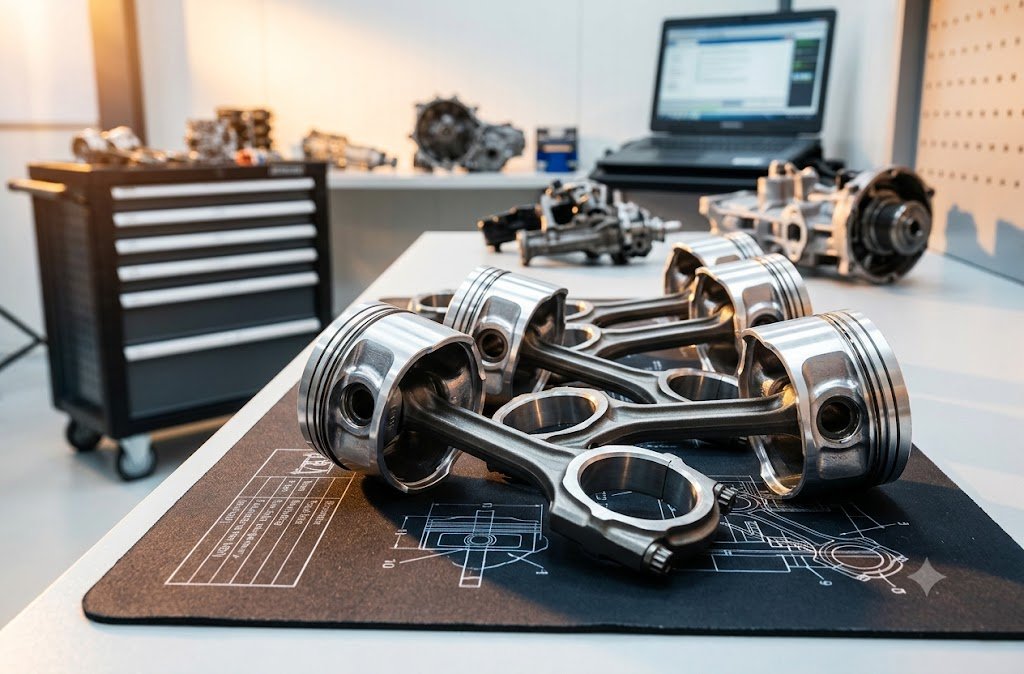
Used Engine Pistons – Alpha Salvage – +1 (626) 693-3601 – Quality Used Engines
A used engine piston can provide a practical replacement when an original piston develops wear or damage during an engine repair or rebuild. Alpha Salvage helps customers search for used engine pistons based on the vehicle, engine, piston specifications, and available U.S. salvage-yard inventory.
Depending on current inventory, options may include individual used pistons, piston sets, gasoline engine pistons, diesel engine pistons, OEM pistons, and pistons for different engine sizes and vehicle applications. Therefore, buyers should confirm the exact engine specifications before ordering.
Find the Right Used Engine Piston
First, identify your vehicle year, make, model, engine size, engine code, and VIN when available. In addition, check the piston diameter, bore size, compression height, wrist-pin specifications, and oversize or standard-size requirements when rebuilding an engine.
Compare Piston Condition and Compatibility
Condition matters when selecting a used piston. Therefore, inspect the piston crown, skirt, ring grooves, ring lands, wrist-pin area, and overall dimensions. Also, compare the part number and measurements with the engine manufacturer's specifications before installation.
What Is an Engine Piston?
An engine piston moves inside the cylinder and transfers combustion force through the connecting rod to the crankshaft. As a result, the piston plays an important role in converting combustion pressure into engine movement.
The piston also works with piston rings to maintain cylinder sealing and control engine oil. Consequently, piston condition can affect compression, oil consumption, combustion efficiency, and overall engine performance.
Because pistons operate under high heat, pressure, and constant movement, they can develop damage from overheating, abnormal combustion, inadequate lubrication, excessive clearance, or mechanical contact.
Main Piston Components
- Piston crown
- Piston skirt
- Ring grooves
- Ring lands
- Wrist pin bore
- Wrist pin area
- Valve reliefs where applicable
- Connecting rod attachment area
Types of Used Engine Pistons
Used pistons come from many engine configurations. Therefore, identifying the piston type and engine application helps reduce compatibility problems.
Gasoline Engine Pistons
Gasoline engines use pistons designed for their specific combustion chamber, compression ratio, bore diameter, and operating conditions. As a result, gasoline pistons from different engines are not automatically interchangeable.
Diesel Engine Pistons
Diesel pistons operate under different combustion pressures and temperatures. Therefore, diesel piston design can vary significantly by engine family, displacement, fuel system, and application.
OEM Used Pistons
OEM pistons come from the original engine manufacturer. Consequently, an OEM used piston can be a useful replacement when its specifications match the original engine.
Standard-Size Pistons
Standard-size pistons match the original bore specification when the cylinder remains within the manufacturer's service limits. However, measurements should confirm the correct fit before installation.
Oversize Pistons
Oversize pistons can work with an engine block that has undergone cylinder boring. Therefore, the piston size must match the final machined cylinder diameter and required piston-to-wall clearance.
Performance Engine Pistons
Performance engines can use specialized piston designs, materials, compression ratios, and valve-relief configurations. For that reason, exact application details remain essential when sourcing these pistons.
Common Used Engine Piston Damage
Before installing a used piston, inspect it carefully for physical and dimensional damage. In particular, pay attention to areas that experience high heat, friction, and combustion pressure.
Cracked Piston
Cracks can weaken the piston and may cause serious engine failure. Therefore, do not reuse a piston that shows structural cracking around the crown, skirt, ring lands, or wrist-pin area.
Damaged Ring Lands
Ring lands support the piston rings and help maintain the required sealing relationship. Consequently, chipped, broken, or excessively worn ring lands can prevent proper ring operation.
Scored Piston Skirt
Deep vertical scoring on the skirt can indicate excessive friction, poor lubrication, overheating, or incorrect clearance. Therefore, heavily scored pistons require careful measurement and professional evaluation.
Damaged Piston Crown
The crown can develop erosion, melting, cracks, or impact marks after abnormal combustion or valve contact. As a result, visible crown damage should receive close inspection before reuse.
Worn Ring Grooves
Excessive ring-groove wear can affect piston-ring movement and cylinder sealing. Therefore, measure the groove clearance according to the engine manufacturer's specifications.
Wrist-Pin Damage
The wrist-pin area transfers load between the piston and connecting rod. Consequently, excessive play, distortion, cracks, or damage around the pin bore can make a piston unsuitable for reuse.
How to Inspect a Used Engine Piston
1. Inspect the Piston Crown
Start by checking the crown for cracks, holes, melting, heavy erosion, or unusual impact marks. These signs can indicate previous combustion or mechanical problems.
2. Check the Ring Lands
Next, inspect the ring lands and grooves for chips, cracks, distortion, and excessive wear. Additionally, verify that the ring grooves meet the required specifications.
3. Inspect the Skirt
Examine the piston skirt for deep scoring, excessive polishing, cracks, or signs of overheating. Therefore, a clean visual inspection can reveal important evidence of previous wear.
4. Check the Wrist-Pin Area
Inspect the wrist-pin bore and surrounding material for damage or distortion. Furthermore, check the pin fit according to the engine manufacturer's specifications.
5. Measure the Piston
Use appropriate measuring tools to verify piston diameter, taper, and other critical dimensions. Then, compare the results with the manufacturer's service limits.
6. Confirm the Engine Application
Finally, match the piston to the engine code, bore size, compression requirements, and part number. This step helps prevent an incorrect piston from entering the engine rebuild.
Used Engine Pistons by Vehicle Application
Alpha Salvage helps customers search for used engine components across different vehicle makes and models. However, piston compatibility depends on the exact engine rather than the vehicle brand alone.
Used Ford Engine Pistons
Ford pistons vary by engine family, displacement, generation, and fuel type. Therefore, verify the engine code and piston specifications before purchasing.
Used Chevrolet Engine Pistons
Chevrolet vehicles use many engine configurations, including four-cylinder, V6, and V8 platforms. Consequently, the correct piston depends on the specific engine application.
Used BMW Engine Pistons
BMW piston specifications can differ across engine generations and turbocharged applications. Therefore, engine code and part-number verification remain important.
Used Toyota Engine Pistons
Toyota uses a wide range of gasoline and hybrid-related engine platforms. As a result, piston dimensions and designs can vary significantly between applications.
Used Honda Engine Pistons
Honda pistons differ according to engine displacement, generation, compression requirements, and application. Therefore, confirm the exact engine before ordering.
Used Mercedes-Benz Engine Pistons
Mercedes-Benz engines include multiple gasoline and diesel platforms. Consequently, piston compatibility requires careful attention to engine code and specifications.
Popular Used Engine Piston Searches
Customers search for used engine pistons by vehicle make, engine family, displacement, fuel type, piston size, and application. Additionally, engine rebuilders often search by piston part number and standard or oversize dimensions.
How to Choose the Right Used Engine Piston
1. Identify the Engine
Start with the vehicle year, make, model, engine size, and engine code. This information narrows the available piston options.
2. Check the Part Number
If the original piston has a part number, compare it with the replacement. Furthermore, verify the number against the engine application.
3. Verify Bore Size
Confirm the cylinder bore and piston diameter before installation. If the block has undergone machining, the required piston size may differ from the original specification.
4. Check Piston Condition
Inspect the crown, skirt, ring grooves, ring lands, and wrist-pin area. Therefore, avoid pistons with serious cracks, broken lands, deep scoring, or major deformation.
5. Match the Piston Rings
Make sure the piston ring dimensions and groove specifications match the piston and cylinder. In addition, follow the engine manufacturer's installation requirements.
6. Review Warranty Terms
Finally, review the supplier's warranty, return, shipping, and installation requirements before purchasing. These terms can vary by part and supplier.
Why Consider Used Engine Pistons?
Cost-Effective Replacement
A suitable used piston can provide an economical option for certain engine repair and rebuilding projects. However, the piston must meet the required specifications.
OEM Availability
Used automotive recyclers can provide access to original equipment components from donor vehicles. Therefore, a used OEM piston may help when an original replacement proves difficult to locate.
Useful for Engine Rebuilds
Engine builders may need individual internal components during repairs. Consequently, a properly matched used piston can support certain rebuild and restoration projects.
Used Gasoline & Diesel Engine Pistons
Used Gasoline Engine Pistons
Gasoline engine pistons can differ in diameter, compression height, crown design, valve reliefs, ring-groove dimensions, and wrist-pin specifications. Therefore, the exact engine application should guide the replacement search.
Used Diesel Engine Pistons
Diesel pistons handle different combustion pressures and operating conditions. As a result, diesel piston designs can vary substantially between engine families. Always verify the engine code, piston dimensions, and manufacturer's specifications before installation.
Visual Guide: Used Engine Piston Inspection

Used Engine Piston Warranty, Shipping & Returns
Warranty
Warranty availability depends on the specific part and salvage-yard supplier. Therefore, review the warranty terms for the exact piston before purchasing.
Shipping
Alpha Salvage ships automotive parts across the USA. However, shipping charges can vary according to the part, destination, weight, and packaging requirements.
Returns
If a part arrives damaged or does not match the order, contact Alpha Salvage with the relevant information and clear photographs. Return requests should follow the applicable supplier terms.
Frequently Asked Questions About Used Engine Pistons
Find answers to common questions about used engine pistons, piston compatibility, piston condition, engine rebuilds, piston sizes, gasoline pistons, diesel pistons, warranties, shipping, and returns.
Where can I buy used engine pistons?
You can search for used engine pistons through automotive recyclers, salvage yards, used auto-parts suppliers, and online parts sellers. Additionally, Alpha Salvage helps customers search current U.S. salvage-yard inventory.
What does an engine piston do?
An engine piston moves inside the cylinder and transfers combustion force through the connecting rod to the crankshaft. In addition, the piston works with the rings to maintain cylinder sealing and control oil.
Are used engine pistons worth buying?
A used piston can make sense for certain engine repair or rebuilding projects when its condition and dimensions meet the manufacturer's specifications. Therefore, inspect and measure the piston before installation.
Can I buy a single used engine piston?
Availability varies by supplier and current inventory. Some sellers may offer individual pistons, while others may list piston sets or piston-and-rod assemblies.
How do I know if a used piston is good?
Inspect the piston crown, skirt, ring lands, ring grooves, and wrist-pin area. Also, measure critical dimensions and compare them with the engine manufacturer's service specifications.
What damage makes a used piston unsafe to reuse?
Serious cracks, melted areas, holes, broken ring lands, deep scoring, major distortion, and damaged wrist-pin bores can make a piston unsuitable for reuse. Consequently, a damaged piston should receive professional evaluation before installation.
Can a used piston have carbon buildup?
Yes. Carbon can accumulate on a piston crown during normal engine operation. However, the piston should still receive a careful inspection after cleaning so that cracks, erosion, and other damage become visible.
Can I reuse the piston rings with a used piston?
Reusing piston rings depends on their condition, dimensions, and the engine manufacturer's specifications. Therefore, inspect ring wear and groove clearance and follow the engine builder's recommendations.
What are piston ring lands?
Ring lands are the areas between the piston ring grooves that support the piston rings. Consequently, damaged or worn ring lands can affect ring movement and cylinder sealing.
What is piston skirt scoring?
Piston skirt scoring appears as vertical wear marks or grooves on the piston skirt. It can result from excessive friction, poor lubrication, overheating, or incorrect piston-to-wall clearance.
Can I use a standard-size piston in an oversized cylinder?
A standard-size piston generally cannot provide the correct fit for a cylinder that has been bored to an oversized dimension. Therefore, the piston size must match the final cylinder bore and required clearance.
What is an oversize engine piston?
An oversize piston has dimensions designed for a cylinder that has received machining beyond its original bore size. Consequently, the piston must match the final machined bore specification.
How do I find the correct piston size?
Check the engine code, original piston specifications, cylinder bore measurement, piston diameter, and any machining performed on the engine block. Furthermore, compare those details with the manufacturer's specifications.
Can I buy used OEM engine pistons?
Yes, depending on available salvage-yard inventory. Used OEM pistons can come from donor vehicles, although the exact part number and dimensions should match the engine application.
Are gasoline and diesel pistons interchangeable?
No. Gasoline and diesel engines use different piston designs and operating requirements. Therefore, always match the piston to the exact engine application and fuel type.
Can I buy used pistons for a diesel engine?
Yes, depending on current inventory. Used diesel pistons are available for various engine applications, but buyers should verify engine code, piston dimensions, and compatibility before ordering.
Can I buy used pistons for a gasoline engine?
Yes. Used gasoline pistons can be available for many engine families. However, piston diameter, compression height, crown design, ring grooves, and wrist-pin specifications must match the engine.
Can a damaged piston cause low compression?
Yes. A damaged piston or worn piston-ring assembly can contribute to poor cylinder sealing and low compression. Therefore, a compression or leak-down test can help diagnose an internal engine problem.
What symptoms can indicate piston problems?
Possible symptoms include unusual engine knocking, excessive oil consumption, loss of compression, smoke, rough engine operation, and reduced performance. However, these symptoms can have several causes, so proper diagnosis remains important.
Can a piston be damaged by overheating?
Yes. Excessive heat can damage the piston crown, skirt, and other areas. Therefore, inspect the piston carefully when an engine has experienced overheating or lubrication problems.
What information should I provide when looking for a used piston?
Provide the vehicle year, make, model, engine size, engine code, VIN, piston part number, and available measurements. In addition, mention whether the engine block has received machining or boring.
Can I find used engine pistons by VIN?
VIN information can help identify the original vehicle and engine configuration. Therefore, providing the VIN can make the parts search more precise.
Should I replace all engine pistons at once?
The correct approach depends on the engine's condition, measurements, manufacturer specifications, and rebuilding requirements. Therefore, have the engine builder evaluate the pistons and cylinders before deciding.
How much do used engine pistons cost?
Prices vary according to the engine application, piston type, condition, availability, quantity, and supplier. Additionally, shipping and related rebuilding costs can affect the total project cost.
Can Alpha Salvage ship used engine pistons across the USA?
Alpha Salvage ships automotive parts across the USA. However, shipping costs and delivery requirements can vary according to the part and destination.
What should I check before installing a used piston?
Check the piston condition, diameter, ring-groove measurements, wrist-pin fit, compression height, crown design, and application. Furthermore, compare all measurements with the manufacturer's specifications before installation.
Can I use a used piston during an engine rebuild?
A used piston can work in some rebuild projects when it meets the required condition and dimensional specifications. Therefore, a professional engine inspection and measurement should come before reuse.
Used Engine Pistons — Search by Engine, Size and Application
Search used engine pistons by vehicle make, model, engine family, engine size, fuel type, piston size, part number, and application. Popular searches include used OEM pistons, used gasoline engine pistons, used diesel engine pistons, used piston sets, standard-size pistons, oversize pistons, used piston and rod assemblies, and replacement engine pistons.
Always confirm the exact piston application before ordering. Availability, condition, mileage history, pricing, warranty, and shipping can vary according to current U.S. salvage-yard inventory. Therefore, provide the vehicle year, model, VIN, engine code, and piston information whenever possible to improve compatibility.