
Find your right Door part
Over 120,000+ automotive and truck parts
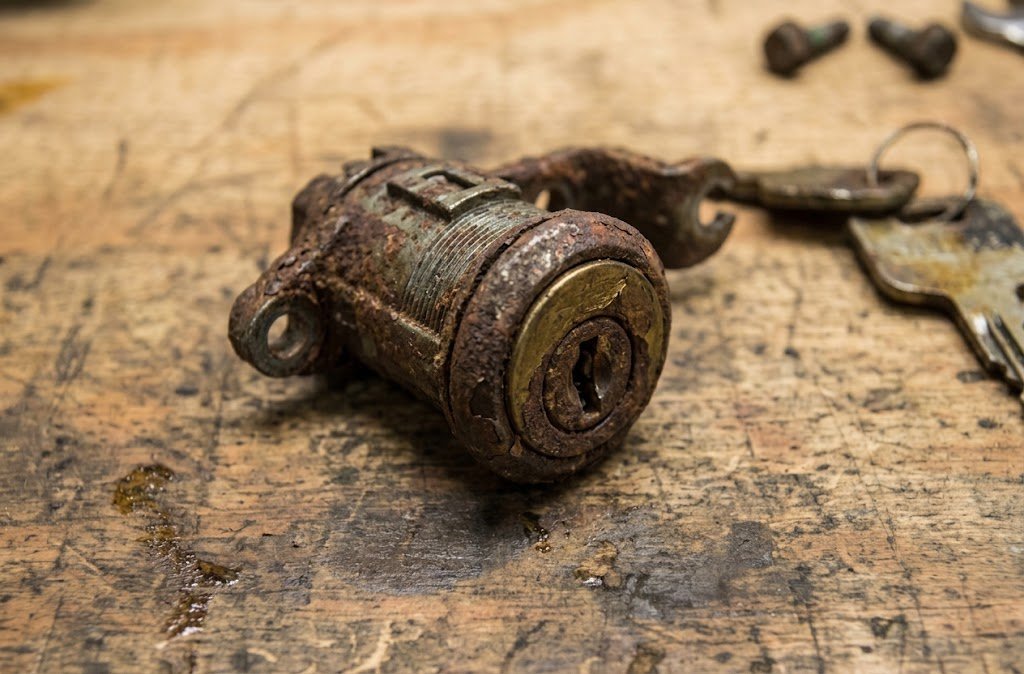
Used Door Lock Cylinder
A used door lock cylinder is a practical replacement when the original cylinder is worn, damaged, seized, or no longer works correctly with the vehicle key. A quality used OEM cylinder can restore the mechanical key-operated portion of a vehicle door without requiring replacement of the complete door assembly.
Because door lock systems vary by vehicle, the correct cylinder must match the vehicle, door position, key system, and cylinder design. Therefore, buyers should verify year, make, model, trim, side, key configuration, included hardware, condition, and compatibility before ordering.
What Is a Used Door Lock Cylinder?
Generally, a used door lock cylinder is the mechanical lock housing that accepts the vehicle key and allows the door locking mechanism to be operated manually. It is removed from a donor vehicle and supplied as a replacement part for a compatible door.
In addition, the cylinder works with the key and the surrounding lock linkage or actuator system. Depending on the vehicle, it may be installed in the exterior door handle, door shell, or another part of the door lock assembly.
Used Door Lock Cylinder: Main Components
A door lock cylinder is a compact component, yet several parts work together to provide secure manual locking and unlocking. In practice, the exact construction varies by vehicle.
Lock Cylinder Housing
First, the outer housing holds the internal cylinder mechanism and positions it within the door or handle assembly.
Keyway
Next, the keyway is the opening shaped to accept the vehicle's compatible key.
Internal Tumblers
Similarly, these internal elements interact with the correct key pattern to allow the cylinder to rotate.
Retaining Hardware
Meanwhile, clips, retainers, or related hardware may secure the cylinder in its mounting position.
Rotation Mechanism
As a result, the cylinder transfers key rotation to the connected lock mechanism when the correct key is used.
Lock Linkage
For example, depending on the design, a lever, rod, cable, or linkage can connect the cylinder to the door lock system.
Handle Interface
Additionally, some cylinders are integrated with or mounted through an exterior door handle assembly.
Key System
Therefore, key compatibility is essential because the cylinder must work with the vehicle's intended key profile.
What May Be Included With a Used Door Lock Cylinder?
First, included hardware depends on the salvage-yard listing and donor vehicle. Use the following information as a guide rather than assuming every item is included.
| Component | Possible Availability | What to Verify |
|---|---|---|
| Lock Cylinder | Commonly included | Correct vehicle application and physical condition |
| Retainer | May be included | Correct style and condition |
| Lock Lever | May be included | Lever design and connection point |
| Key | Listing dependent | Whether a matching key is supplied |
| Key Set | Listing dependent | Key profile and vehicle compatibility |
| Door Handle | May be included in some assemblies | Handle design, side, and included hardware |
| Mounting Hardware | May be included | Clips, screws, or brackets required for installation |
| Lock Linkage | Listing dependent | Rod, cable, or linkage configuration |
| Lock Actuator | Usually separate | Do not assume an electronic actuator is included |
| Exterior Trim | Usually separate | Confirm whether surrounding trim is part of the listing |
| Door Assembly | Usually separate | Verify whether the listing is cylinder-only or a larger assembly |
Complete Does Not Always Mean Fully Equipped
In practice, a used door lock cylinder listing may include the cylinder alone or a small group of related hardware. Therefore, buyers should never assume that a key, handle, actuator, or linkage is included unless the listing confirms it.
Commonly Associated
- Lock cylinder
- Retaining hardware
- Lock lever or interface
- Vehicle-specific keyway
- Mounting components
- Related mechanical hardware
- Lock lever connection
- Mounting retainer
May Vary by Listing
- Matching key
- Key set
- Exterior door handle
- Lock linkage
- Retainer clips
- Surrounding trim
- Handle mounting hardware
- Lock linkage hardware
- Correct key operation
Always Confirm
- Vehicle year
- Make and model
- Door position
- Key system
- OEM part number when applicable
- Exact included components
Driver Side vs Passenger Side Door Lock Cylinder
Door lock cylinders can differ by door position. For this reason, a cylinder from one side of a vehicle should not automatically be treated as interchangeable with the other side.
Driver Door Cylinder
The driver door often receives frequent key use and can include the primary exterior key-operated lock. Consequently, its cylinder and surrounding hardware may differ from other doors.
Therefore, confirm the exact driver-side application before ordering.
Passenger Door Cylinder
Likewise, the passenger door may use a different cylinder, handle arrangement, or lock configuration. In contrast, some vehicles may use matching cylinders across selected doors.
Thus, side-specific verification remains important.
Used Door Lock Cylinder Fitment
Correct fitment depends on more than the cylinder's physical size. Specifically, the keyway, mounting design, door position, lock linkage, and vehicle production details can affect compatibility.
Door Lock Cylinder Fitment Checklist
- Vehicle year
- Vehicle make
- Vehicle model
- Trim level
- Door position
- Key type or keyway
- Mounting design
- OEM part number
- Included key or hardware
- Original cylinder comparison
- Lock linkage configuration
Why Replace a Door Lock Cylinder?
A damaged or worn cylinder can make normal key operation difficult and may prevent the door from locking or unlocking correctly. In some cases, replacing the cylinder is more practical than replacing the complete door or larger lock assembly.
Worn Keyway
Over time, repeated key use can wear the cylinder and make key insertion or rotation less consistent.
Sticking Cylinder
For example, corrosion, contamination, or internal wear can make the cylinder difficult to turn.
Broken Internal Parts
For example, damaged internal components can prevent the key from operating the lock mechanism normally.
Physical Damage
Similarly, collision damage or forced entry can deform the cylinder housing or surrounding mounting area.
Lost or Damaged Hardware
Additionally, missing retainers or connection hardware can make an otherwise usable cylinder difficult to install.
Failed Lock Operation
Consequently, if the key turns without properly operating the lock, the cylinder or connected mechanism may require inspection.
Used Door Lock Cylinder vs Complete Door Lock Assembly
In addition, choosing a cylinder or a larger lock assembly depends on which component has failed and which parts remain usable.
Used Door Lock Cylinder
- For example, useful when the cylinder itself is damaged or worn.
- Moreover, this may reduce the number of components that need replacement.
- In addition, this can be suitable when the surrounding lock mechanism remains usable.
- Likewise, this may be supplied with related retaining hardware.
- As a result, this can address key-operated locking problems.
- Therefore, it requires accurate keyway and vehicle matching.
Complete Door Lock Assembly
- For example, useful when multiple lock components have failed.
- Additionally, this may include latch and actuator components.
- However, this can require more installation work than a cylinder-only replacement.
- Therefore, it may be appropriate when the cylinder and internal mechanism are both damaged.
- Likewise, it can vary significantly by vehicle configuration.
Door Lock Cylinder Configurations
As a result, used OEM lock cylinders are available in different key and mounting configurations. Matching the original configuration is particularly important for reliable operation.
Configuration matters: A cylinder that looks similar may still use a different keyway, retainer, mounting method, or linkage. Therefore, compare the replacement against the original whenever possible.
How a Used Door Lock Cylinder Should Be Checked
Meanwhile, before installation, the cylinder should be reviewed for physical damage, corrosion, wear, and correct configuration. A careful inspection can help identify problems before the part is fitted.
Physical Inspection
- First, check the housing for cracks or deformation.
- Next, inspect the keyway for visible damage.
- Then, look for excessive corrosion.
- Finally, check retaining points and mounting areas.
Operation & Fitment Inspection
- First, compare the cylinder with the original part.
- Next, confirm the correct door position.
- Then, verify the key and keyway configuration.
- Finally, check the connection to the lock linkage.
What to Expect From a Used OEM Door Lock Cylinder
A recycled OEM cylinder has previously been installed on another vehicle. Therefore, buyers should expect possible signs of normal use while still checking that the component is suitable for the intended repair.
Installing a Used Door Lock Cylinder
In particular, installation requirements vary by vehicle and cylinder design. Additionally, a qualified technician can help ensure correct mounting, linkage connection, key operation, and door-lock function.
1. Remove the Existing Cylinder
First, access the door lock area and remove the original cylinder and retaining hardware according to the vehicle's service procedure.
2. Match the Replacement
However, compare the replacement cylinder, keyway, retainer, and linkage connection with the original before final installation.
3. Test Lock Operation
Therefore, test key insertion, rotation, locking, and unlocking after installation to confirm proper operation.
How to Find the Right Used Door Lock Cylinder
Next, providing accurate vehicle and lock information makes the sourcing process easier and helps reduce compatibility problems.
Related Used Door Parts
Likewise, if the cylinder is not the only failed component, individual used OEM door parts may provide a better repair option. Alpha Salvage's Door category includes mechanical, electrical, structural, and complete door components.
Why Consider a Used OEM Door Lock Cylinder?
A used OEM lock cylinder comes from a vehicle that was originally manufactured with a compatible type of door locking system. As a result, it can provide an alternative to replacing a larger door assembly when the cylinder is the component that needs attention.
Therefore, Alpha Salvage connects customers with a nationwide network of more than 4,000 licensed salvage yards and auto recyclers. In addition, supplying yards provide available parts and warranty information for eligible listings.
Before Ordering a Used Door Lock Cylinder
Taking a few minutes to verify the replacement cylinder can prevent problems after delivery. Before placing an order, make sure the vehicle information, door position, key system, and cylinder configuration match the replacement.
Confirm these details: Year, make, model, trim, door position, keyway, included key, mounting hardware, OEM part number when available, condition, shipping details, return conditions, and warranty coverage.
For this reason, provide accurate vehicle information and VIN details when available. A clear comparison with the original cylinder can also help confirm physical compatibility.
Shipping, Warranty & Returns
In addition, a door lock cylinder is smaller than a complete door, but shipping and warranty terms can still vary by supplier and specific listing. Delivery time, packaging, return conditions, warranty period, and coverage should be confirmed before purchase.
Shipping
Before ordering, confirm the shipping method, destination coverage, estimated delivery time, and packaging details.
Warranty
Specifically, warranty availability and duration can depend on the supplying salvage yard and individual part listing.
Returns
Additionally, review the applicable return policy before purchase, particularly if the part is supplied with a key or related hardware.
Frequently Asked Questions About Used Door Lock Cylinders
Fitment & Compatibility
What is a used door lock cylinder?
Because of this, it is a used OEM mechanical lock component that accepts the vehicle key and operates the door locking mechanism on a compatible application.
Will any door lock cylinder fit my vehicle?
No. For example, keyway design, door position, mounting hardware, and production changes can affect compatibility.
Is the driver door cylinder different from the passenger cylinder?
It can be. Therefore, verify the exact door position and vehicle application before ordering.
Should I provide my VIN?
Yes. In addition, VIN information can help identify the vehicle configuration and improve the chance of finding a compatible replacement.
Does the cylinder come with a key?
Not always. Instead, confirm whether a matching key is included with the individual listing.
Can a cylinder from the same model year still be different?
Yes. However, trim, production changes, door position, and locking configurations can create differences.
Components & Condition
What parts may come with a used door lock cylinder?
Depending on the listing, the cylinder may come with a retainer, lever, mounting hardware, or matching key. Always verify the exact contents.
Can a used cylinder have wear?
Yes. Used cylinders can show normal surface or keyway wear. Therefore, condition should be reviewed before installation.
Can a damaged keyway cause lock problems?
Yes. A worn or damaged keyway can make key insertion or rotation difficult and may require cylinder replacement.
Can the original lock hardware be reused?
In many cases, compatible retainers or linkage components may be reused. However, their condition and compatibility should be checked first.
Is the lock cylinder the same as the lock actuator?
No. The cylinder is the key-operated mechanical component, while an actuator is an electronic or mechanical device used to operate the lock mechanism.
Can a cylinder be part of an exterior door handle?
Yes. For instance, some vehicle designs mount the cylinder directly within or alongside the exterior handle assembly.
Should I compare the replacement with my original cylinder?
Yes. Likewise, comparing shape, mounting points, keyway, and linkage can help identify obvious differences before installation.
Can corrosion affect a used lock cylinder?
Yes. Excessive corrosion can interfere with key movement or internal operation. Therefore, inspect the cylinder carefully before use.
Can a used cylinder solve a key-operated lock problem?
It can when the cylinder is the source of the problem. Otherwise, the issue may involve the linkage, latch, actuator, or another lock component.
Can the cylinder be replaced without replacing the door?
Yes. In many vehicle designs, the lock cylinder can be replaced separately when the surrounding door structure and related lock components remain usable.
Ordering, Shipping & Warranty
Does Alpha Salvage ship used door lock cylinders across the United States?
Alpha Salvage works with a nationwide network of salvage-yard suppliers. Shipping availability and terms depend on the specific listing and destination.
Do used door lock cylinders come with a warranty?
To avoid confusion, warranty availability and duration depend on the supplying salvage yard and individual part listing.
What should I check before ordering a lock cylinder?
In short, verify year, make, model, door position, keyway, included hardware, condition, shipping, return terms, and warranty information.
Why choose a used OEM lock cylinder?
A used OEM cylinder can be a practical alternative when the original cylinder needs replacement while the larger door and lock system remain usable.
Used Door Lock Cylinder for Sale
According to the replacement requirements of the vehicle, finding the correct used door lock cylinder starts with accurate identification. Whether the original cylinder is worn, seized, damaged, corroded, or no longer operates the key correctly, a used OEM replacement can provide a practical repair option.
Additionally, Alpha Salvage helps customers locate used OEM door parts through a nationwide network of salvage yards and auto recyclers. For example, buyers can provide vehicle year, make, model, trim, door position, VIN, and lock configuration details to improve fitment matching.
Finally, before ordering a used door lock cylinder, always confirm the keyway, included key or hardware, physical condition, OEM part information, shipping details, warranty coverage, and return policy. With the right fitment information, a recycled OEM cylinder can help restore normal manual door-lock operation without replacing the complete door.