

Find your right Door Part
Over 120,000+ automotive and truck parts
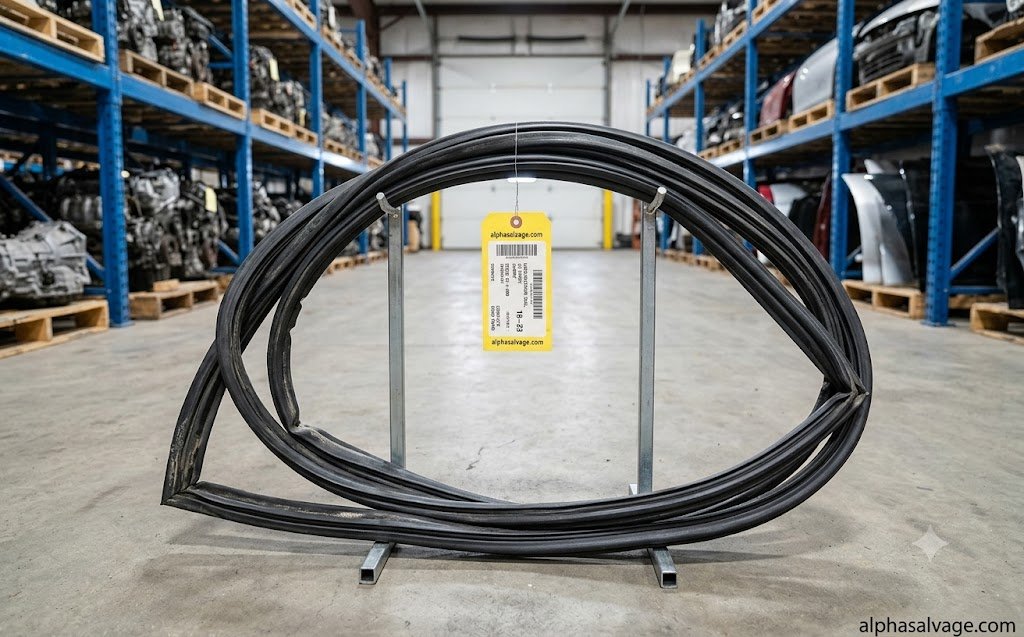
Used Door Weather Seal
A used door weather seal is a practical replacement when the original seal is cracked, torn, hardened, loose, or no longer keeps water and outside air away from the vehicle interior. A quality used OEM seal can provide a vehicle-specific fit while helping restore the door's sealing function.
Because door sealing systems vary by vehicle, the exact shape, length, mounting method, and position of a used door weather seal can differ between applications. Therefore, buyers should verify the year, make, model, door position, seal location, condition, and part compatibility before ordering.
What Is a Used Door Weather Seal?
A used door weather seal is an original equipment sealing component removed from another vehicle and offered as a replacement for a damaged or worn door seal. It is designed to follow the vehicle's original door opening and sealing points.
Depending on the vehicle, a weather seal may be mounted around the door frame, attached directly to the door, or positioned around a specific section of the opening. Therefore, the exact seal style must match the intended location and vehicle configuration.
Used Door Weather Seal: Main Components & Features
A door weather-sealing system can include several sealing surfaces and attachment features. The following areas help identify the correct replacement.
Sealing Profile
The rubber or elastomer profile creates the contact surface between the door and the vehicle body.
Mounting Channel
Some seals use a formed channel or groove that follows the original body or door mounting edge.
Retaining Clips
Depending on the vehicle, clips or fasteners may help secure the seal in its original position.
Door Perimeter
A perimeter seal may follow much of the door opening and help reduce water and wind entry.
Upper Section
The upper portion may seal around the roof-side area and can have a vehicle-specific shape.
Lower Section
The lower portion helps close gaps near the bottom of the door and may have drainage-related features.
Corner Molding
Curved corners must align correctly because even small shape differences can affect sealing.
Vehicle-Specific Ends
End points, joints, bends, and attachment areas can vary by body style and door position.
What May Be Included With a Used Door Weather Seal?
The listing normally refers to a specific seal or weatherstrip rather than an entire door sealing system. Use the guide below to confirm exactly what you are receiving.
| Component | Possible Availability | What to Verify |
|---|---|---|
| Main Weather Seal | Commonly included | Exact position, shape, length and vehicle application |
| Retaining Clips | May be included | Number, style and condition of clips |
| Mounting Inserts | Listing dependent | Attachment points and hardware |
| Upper Seal Section | May be separate | Whether the listing covers the full upper section |
| Lower Seal Section | May be separate | Door position and exact section length |
| Corner Pieces | Listing dependent | Integrated or separate corner construction |
| Door-Opening Weatherstrip | May be different part | Whether the seal mounts to the door or body opening |
Complete Does Not Always Mean Every Seal Is Included
A listing for a used door weather seal usually identifies a particular sealing component. Therefore, buyers should not assume that all weatherstrips around the door opening are included with one part.
Commonly Associated
- Door weatherstrip
- Vehicle-specific rubber seal
- Factory-style mounting profile
- Integrated retaining features
- Original molded corners
May Vary by Listing
- Front or rear position
- Driver or passenger side
- Door-mounted or body-mounted seal
- Clips and fasteners
- Upper or lower sections
Always Confirm
- Exact seal location
- Vehicle year, make and model
- Seal length and profile
- Visible cracks or hardening
- Included mounting hardware
Door Weather Seal Location Matters
Weather seals can serve different areas of a vehicle door system. Similarly named parts are not always interchangeable.
Door-Mounted Seal
A door-mounted seal attaches to the door itself and closes against the surrounding body when the door is shut. Check the mounting edge, profile and door position carefully.
For example, a front door seal may have a different contour from a rear door seal even when the vehicle uses a similar rubber material.
Body-Opening Seal
A body-opening weatherstrip attaches around the vehicle opening rather than directly to the moving door. Its profile and mounting points can differ substantially from a door-mounted seal.
Therefore, confirm whether the requested part is for the door itself or for the surrounding body opening.
Used Door Weather Seal Fitment
Correct fitment depends on more than the general appearance of the rubber seal. Vehicle details and the exact mounting location should match.
- Verify year, make and model
- Confirm the exact door position
- Confirm the seal mounting location
- Compare the seal profile and shape
- Check available photos carefully
- Review condition and visible wear
- Confirm included clips or hardware
- Compare part numbers when available
Why Replace a Door Weather Seal?
A damaged or aged seal can affect more than appearance. Replacing the correct seal can help restore the intended door-to-body sealing relationship.
Water Entry
Cracks, gaps or poor sealing can allow water to reach areas that should remain protected.
Wind Noise
A hardened or compressed seal may no longer close gaps effectively, which can increase outside wind noise.
Loose Seal
Missing clips or damaged mounting edges can cause the weatherstrip to pull away from its intended position.
Cracked Rubber
Age, weather exposure and repeated door movement can cause the sealing material to crack or split.
Hardening
Old rubber can lose flexibility and fail to maintain consistent contact with the door and body.
Collision Damage
A damaged door or surrounding structure can distort the seal and may require replacement after repair work.
Used OEM Weather Seal vs New Replacement
Both options can be suitable depending on availability, condition, price and fitment requirements.
Used OEM Weather Seal
- Original vehicle-specific component
- Can match the factory profile and mounting design
- Useful when an OEM part is difficult to source new
- Condition should be checked carefully
- Best choice when the listing matches the vehicle and seal location
New Replacement Seal
- New material and unused condition
- May be available for common applications
- Quality and profile can vary by manufacturer
- Fitment should still be verified
- May be preferable when the original-style used seal is unavailable
Door Weather Seal Configurations
Weather seals can vary by location, door type and vehicle configuration.
Fitment notice: Similar-looking seals can have different lengths, profiles, bends and mounting methods. Always compare the exact application before ordering.
How a Used Door Weather Seal Should Be Checked
A used seal should be inspected for material condition and mounting integrity before installation.
Material Inspection
- Check for cracks, tears or splits
- Look for excessive hardening or brittleness
- Inspect corners and molded transitions
- Check for permanent compression
- Look for heavy surface deterioration
Mounting Inspection
- Inspect clips and attachment points
- Check channels for deformation
- Compare the seal profile with the original
- Confirm the complete length is present
- Check for cuts or missing sections
What to Expect From a Used OEM Door Weather Seal
Used parts can show normal signs of previous service. The important consideration is whether the seal remains suitable for its intended application.
The seal may show light cosmetic marks while retaining a usable profile and mounting structure.
Minor compression, surface marks or discoloration can occur because the part came from a previously used vehicle.
Ask for photos or listing details when the seal's flexibility, corners, clips or mounting areas are important to your repair.
Installing a Used Door Weather Seal
Installation depends on the vehicle and seal design. Remove the old component carefully so the mounting surface remains ready for the replacement.
1. Remove the Old Seal
Release the original seal and retaining clips carefully. Clean away debris, adhesive residue or dirt from the mounting area when required.
2. Compare the Replacement
Before fitting, compare the length, corners, mounting points and profile with the removed seal and vehicle opening.
3. Seat the Seal Correctly
Install the seal evenly along the intended mounting path. Avoid stretching the material because that can change its shape and fit.
How to Find the Right Used Door Weather Seal
Following a consistent verification process can reduce the chance of ordering a similar-looking but incompatible seal.
Provide year, make, model and body style.
Specify front or rear and the exact seal position.
Review photos, profile, mounting points and part numbers.
Confirm flexibility, cracks, clips and missing sections.
Verify compatibility, warranty and shipping information.
Related Used Door Parts
If the weather seal is part of a larger door repair, these related components may also be relevant.
Why Consider a Used OEM Door Weather Seal?
A used OEM weather seal can be a practical option when you need an original vehicle-specific sealing component. The main advantage is that the part came from a vehicle using the original factory-style design.
Alpha Salvage connects customers with used OEM auto parts through a nationwide network of salvage yards. Availability, condition, warranty and exact included components can vary by supplier and listing.
Before Ordering a Used Door Weather Seal
Take a few minutes to verify the part details before completing your order. This can help avoid fitment problems and unnecessary returns.
Vehicle year, make and model; door position; exact seal location; body style; seal profile and length; mounting method; condition; included clips or hardware; supplier warranty; and shipping information.
Shipping, Warranty & Returns
Because used parts come from different salvage-yard suppliers, the exact terms can vary by listing.
Shipping
- Confirm shipping cost before ordering
- Review estimated delivery timing
- Inspect the package after delivery
- Report transit damage promptly
Warranty
- Warranty availability can vary
- Review supplier warranty terms
- Keep purchase and part information
- Contact support if assistance is needed
Returns
- Review the listing's return policy
- Confirm fitment before installation
- Keep the part in its received condition when possible
- Follow supplier return instructions
Frequently Asked Questions About Used Door Weather Seals
These questions cover common fitment, condition and ordering concerns.
What is a used door weather seal?
A used door weather seal is an original equipment sealing component removed from another vehicle and offered as a replacement for a worn or damaged seal.
What does a door weather seal do?
It helps create a seal between the door and the vehicle body, helping reduce water, wind, dust and outside noise entering through the door opening.
Are used door weather seals vehicle specific?
Yes. Seal profiles, lengths, mounting methods and door positions can vary significantly between vehicles. Verify the exact application before ordering.
Can a front door seal fit a rear door?
Usually, the exact seal design is different between front and rear doors. Do not assume interchangeability based only on appearance.
Does a used weather seal include clips?
It depends on the listing. Some seals may retain original clips or mounting hardware, while others may be supplied as the seal only.
How do I know if the seal is in good condition?
Check for cracks, tears, excessive hardening, permanent compression, missing sections and damaged mounting points. Listing photos can also help confirm condition.
Can I reuse the original clips?
That depends on the vehicle and the condition of the clips. Damaged or missing retainers may need replacement.
Should I compare the old seal with the used replacement?
Yes. Compare the length, profile, corners, mounting points and overall shape before installation.
Can a used OEM weather seal be better than an aftermarket seal?
A used OEM seal can offer the original vehicle-specific design. However, condition matters, so inspect the used component carefully before choosing it.
What information should I provide when ordering?
Provide the year, make, model, body style, door position and exact seal location. A VIN or original part number can also help with uncertain applications.
What if the part arrives damaged?
Document the packaging and damage with photographs and report the issue promptly according to the supplier's shipping and damage policy.
Does Alpha Salvage provide warranty assistance?
Warranty terms are provided by the supplying salvage yard when available. Alpha Salvage can assist customers with the warranty claim process when additional support is needed.
How can I avoid ordering the wrong weather seal?
Verify the vehicle, door position, seal location, mounting method, dimensions or profile, photos and part number when available. For uncertain fitment, provide the VIN.
Used Door Weather Seal for Sale
Looking for a used door weather seal for your vehicle? Start with the correct year, make, model and door location. Then compare the seal profile, mounting points, condition and listing details before ordering.
A properly matched used OEM weather seal can be a practical replacement for a cracked, hardened or damaged original seal. However, because sealing components vary by vehicle, always confirm compatibility and included hardware with the specific supplier.